Follow Me On Social Media!
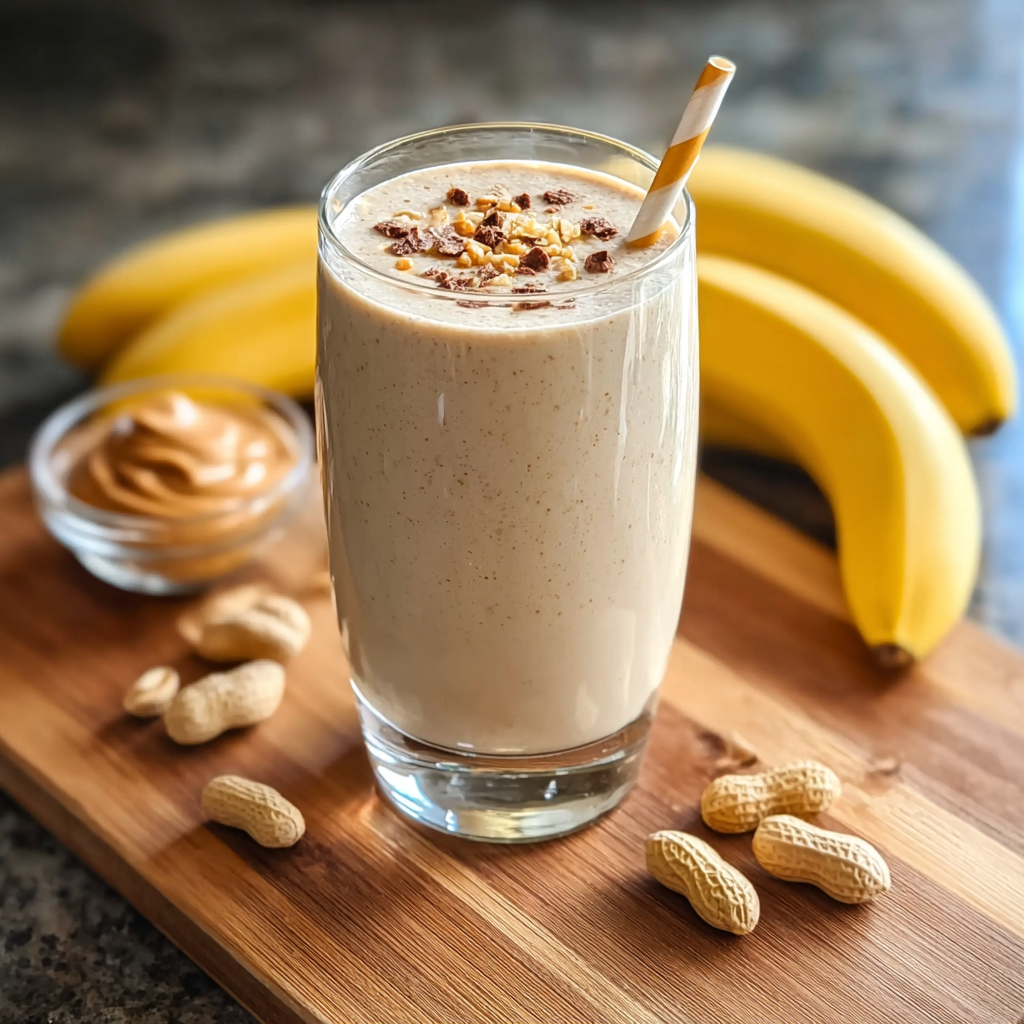
Peanut Butter & Banana Smoothie

Introduction
Here is a question worth starting any morning with: what if the most nutritionally complete, genuinely satisfying breakfast you could make took exactly 3 minutes, cost under $2, required nothing more than a blender and four ingredients, and produced something so good that it made the idea of skipping breakfast feel genuinely unreasonable? According to a 2024 consumer nutrition report by the International Food Information Council, breakfast skipping rates among working adults have reached an all-time high — with 31% of American adults regularly skipping the meal entirely — yet the same survey identified time and preparation complexity as the primary barriers rather than appetite or preference.
This peanut butter and banana smoothie removes every barrier simultaneously. Two of the most nutritionally synergistic ingredients available in any supermarket — ripe banana and natural peanut butter — blended with milk and a handful of optional additions into a thick, creamy, genuinely filling breakfast drink that delivers protein, complex carbohydrates, healthy fats, potassium, and fiber in a single glass in under 3 minutes. It is the breakfast that requires less time than boiling water for coffee, costs less than a vending machine snack, and keeps you comfortably full until well past lunch.
The peanut butter and banana combination is not merely convenient — it is nutritionally deliberate. A 2023 review in the Journal of Nutrition identified the combination of soluble fiber from banana, monounsaturated fat from peanut butter, and the natural sugars in ripe fruit as producing a particularly favorable glycemic response — the fat and fiber slowing the absorption of the fruit sugars and producing sustained energy over 3–4 hours rather than the spike-and-crash associated with fruit juice or refined carbohydrate breakfasts. This smoothie is built on that finding.
Ingredients List
The Core 4-Ingredient Smoothie
- 2 medium ripe bananas, frozen (the single most impactful upgrade — frozen banana produces a thick, ice-cream-like texture without ice)
- 2 tbsp natural peanut butter (smooth or crunchy — natural, with no added sugar or palm oil)
- 1 cup (240ml) whole milk or preferred milk (dairy, oat, almond, or soy all work)
- 1 tsp pure vanilla extract
Optional Additions for Nutrition and Flavor
- 1 tbsp honey or maple syrup (if bananas are under-ripe and less sweet)
- 1 scoop vanilla or unflavored protein powder (adds 20–25g additional protein)
- 1 tbsp chia seeds (adds omega-3 fatty acids and additional fiber)
- 1 tbsp ground flaxseed (adds omega-3 and lignans)
- ¼ tsp ground cinnamon (pairs beautifully with both banana and peanut butter)
- 1 tbsp rolled oats (adds fiber, B vitamins, and a more substantial texture)
- 1 tbsp cocoa powder (transforms this into a chocolate peanut butter banana smoothie)
- 1 cup (30g) baby spinach (nutritional boost — completely undetectable in flavor)
- 4 ice cubes (if bananas are not frozen — produces a colder but less creamy result)
For Topping (Optional)
- Sliced fresh banana
- A drizzle of extra peanut butter
- Granola
- Crushed peanuts
- A dusting of cocoa powder or cinnamon
Timing
- Prep Time: 2 minutes
- Blend Time: 60 seconds
- Total Time: 3 minutes
Three minutes from opening the freezer to glass in hand. The frozen banana preparation — the only advance step — takes 30 seconds the night before and transforms the texture of the smoothie more dramatically than any other single decision in the recipe.
Step-by-Step Instructions
Step 1: Prepare the Frozen Bananas (Done the Night Before)
Peel ripe bananas — those with brown spots on the skin are ideal, as the starch has converted to sugar and the flavor is at maximum intensity — break into 3–4 pieces, and freeze in a zip-lock bag or airtight container overnight or for a minimum of 3 hours. Frozen bananas are the most impactful smoothie upgrade available for zero cost: they replace the need for ice (which dilutes the flavor), they produce a thick, almost soft-serve ice cream texture that no fresh banana can match, and the freezing process breaks down the cell walls and produces a smoother, more evenly blended result.
Key tip: Keep a bag of peeled, broken banana pieces in the freezer at all times — it takes 30 seconds to prepare and means a perfect smoothie is perpetually 3 minutes away from any morning.
Step 2: Add Ingredients in the Correct Order
The order in which ingredients are added to the blender matters more than most smoothie recipes acknowledge. Add the liquid first — milk goes into the blender before anything solid. This prevents the dry ingredients from packing beneath the blade and requiring repeated stopping to scrape down the sides. Add the peanut butter and vanilla next. Add the frozen banana pieces last, on top.
This liquid-first order ensures the blade has something to move against the moment it begins spinning, produces a smoother blend in less time, and prevents the motor from laboring against a solid mass of frozen banana at the base of the jar.
Step 3: Add Any Optional Ingredients
If using protein powder, chia seeds, flaxseed, oats, cocoa powder, or spinach — add them between the peanut butter and the frozen banana. Powders and seeds do best when sandwiched between the liquid below and the frozen fruit above, where they are carried into the blending action from all directions rather than settling beneath the blade.
Step 4: Blend
Blend on high speed for 45–60 seconds until completely smooth. The smoothie is ready when the sound of the blender changes from a heavy, laboring churn to a smooth, consistent hum — indicating that all the frozen banana has been fully incorporated and the mixture is uniform. If the blender struggles, add an additional 2–3 tablespoons of milk and blend for another 15 seconds.
Key tip: Avoid over-blending — 60 seconds at high speed is sufficient. Extended blending generates heat that begins to melt the frozen banana and warm the smoothie, reducing the thick, cold, creamy texture that makes this smoothie so satisfying.
Step 5: Taste, Adjust, and Serve
Pour into a tall glass and taste before adding any sweetener — ripe, well-frozen bananas provide sufficient sweetness for most palates without any addition. If the bananas were under-ripe or less sweet than expected, add 1 teaspoon of honey and blend for 5 more seconds. Top with any desired garnishes and serve immediately — smoothies with frozen fruit are at their best within 5 minutes of blending before the ice crystals fully melt.
Nutritional Information
Per serving — based on the core 4-ingredient recipe with whole milk, without optional additions.
| Nutrient | Per Serving | % Daily Value* |
|---|---|---|
| Calories | 385 kcal | 19% |
| Total Fat | 17g | 22% |
| Saturated Fat | 4g | 20% |
| Total Carbohydrates | 50g | 18% |
| Total Sugar | 28g | — |
| Protein | 14g | 28% |
| Dietary Fiber | 5g | 18% |
| Sodium | 160mg | 7% |
| Potassium | 780mg | 17% |
| Vitamin B6 | 35% DV | 35% |
| Magnesium | 18% DV | 18% |
| Calcium | 22% DV | 22% |
*Based on a standard 2,000-calorie daily diet.
The potassium content — 17% of the daily recommended value from the bananas alone — makes this one of the more meaningful single-serving potassium sources available in a breakfast format. Vitamin B6 at 35% of the daily value supports energy metabolism, immune function, and neurotransmitter synthesis. With protein powder added, the protein content rises to 34–39 grams per serving — approaching post-workout shake territory while tasting considerably better than any dedicated protein supplement.
Healthier Alternatives
Higher protein: Add 1 scoop of vanilla or unflavored whey protein powder — this pushes the protein content to 34–39 grams per serving, making the smoothie suitable as a post-workout recovery meal. Plant-based pea protein works equally well for dairy-free versions.
Lower calorie: Replace whole milk with unsweetened almond milk — reducing to approximately 290 calories per serving — and use 1 tablespoon of powdered peanut butter instead of natural peanut butter. Both substitutions reduce the fat and calorie content significantly while preserving the core flavor.
Added greens: Add 1 cup of frozen baby spinach alongside the frozen banana. The peanut butter and banana flavors completely mask the spinach — the smoothie tastes identical to the standard version while delivering iron, folate, Vitamin K, and an additional gram of fiber per serving. This is one of the most effective and least detectable ways to add vegetables to any breakfast.
Anti-inflammatory: Add ½ teaspoon of ground turmeric and a pinch of black pepper — the piperine in black pepper increases curcumin absorption from the turmeric by up to 2,000%. The golden color is the only detectable change.
Gut health focus: Add 1 tablespoon of psyllium husk and 1 teaspoon of ground flaxseed. Both are prebiotic fiber sources that support gut microbiome diversity. The texture becomes slightly thicker and the smoothie should be consumed promptly before the psyllium husk fully absorbs the liquid.
Serving Suggestions
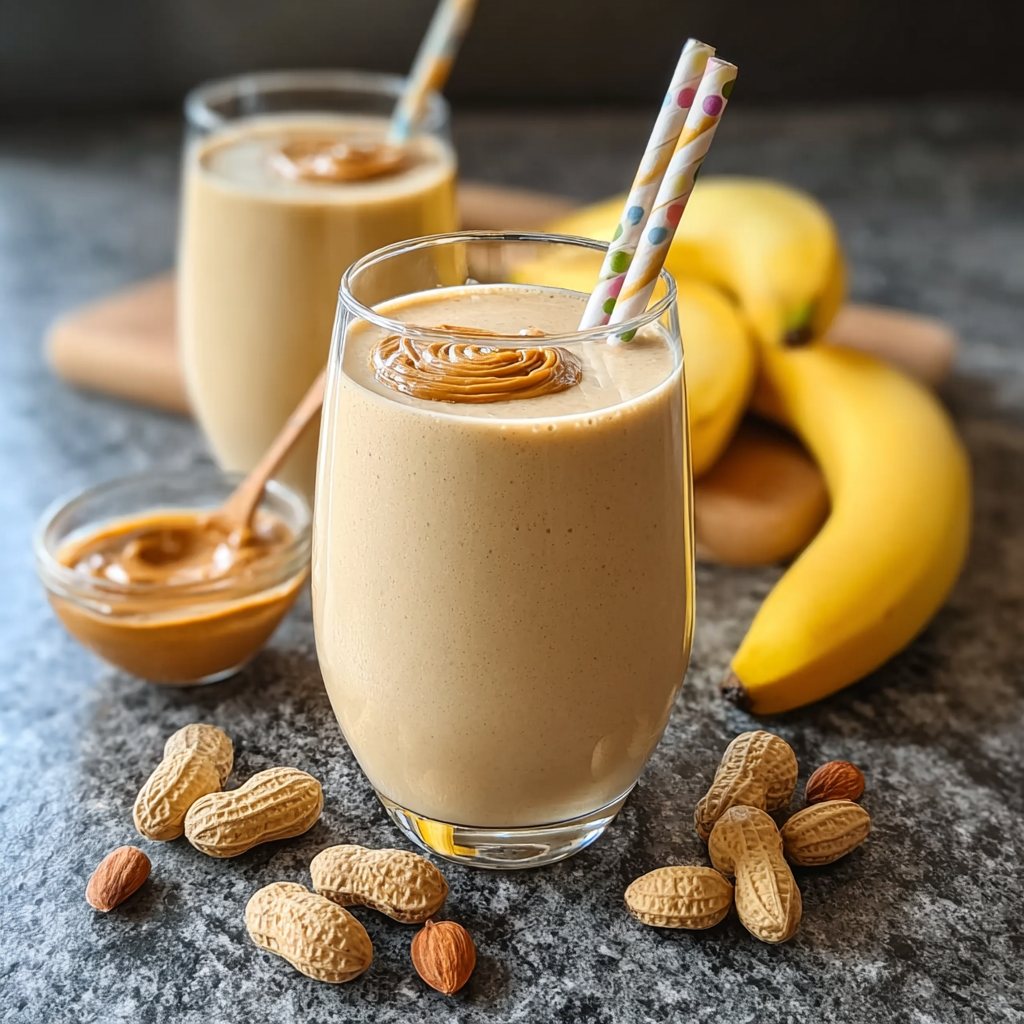
Classic breakfast glass: Served immediately from the blender in a tall glass with a thick reusable straw. The simplest and most reliable format — everything is cold, thick, and at its textural best.
Smoothie bowl: Reduce the milk by half to produce a very thick, almost soft-serve consistency. Pour into a wide bowl and top with granola, sliced banana, crushed peanuts, a drizzle of honey, and a sprinkle of cinnamon. This format transforms the smoothie from a drink into a meal that requires a spoon and has a significantly more substantial, satisfying character.
Pre-workout fuel: Blend with an additional banana and ½ cup of rolled oats for a higher-calorie, higher-carbohydrate pre-workout version that provides sustained energy through extended training. Add 1 teaspoon of honey for rapid-access glucose.
Meal prep freezer packs: Peel and freeze banana pieces in individual zip-lock bags with measured peanut butter frozen in ice cube trays. Each morning, add the pre-portioned frozen pack to the blender with milk and vanilla — reducing the morning effort to opening a bag and pressing a button.
Layered smoothie jar: Pour half the smoothie into a jar, add a layer of granola, then pour the remaining smoothie on top. Seal and refrigerate for up to 4 hours — the granola softens slightly and creates a parfait-like texture that is excellent for a desk breakfast or packed lunch.
Common Mistakes to Avoid
Using fresh instead of frozen bananas. Fresh bananas produce a thin, watery smoothie that requires ice to achieve any thickness — and ice dilutes the flavor while producing a grainier texture than frozen banana. The 30-second preparation of peeling and freezing bananas the night before is the highest-return investment in smoothie quality available at zero cost.
Adding liquid last. Milk added after the solids creates a vacuum beneath the blade that stalls the blender motor and requires repeated stopping to redistribute the contents. Liquid first, every time — it creates immediate blade contact and produces a smooth blend from the first second.
Using sweetened or processed peanut butter. Commercial peanut butter containing added sugar, palm oil, and stabilizers tastes noticeably artificial in a smoothie and produces a thicker, stickier texture than natural peanut butter. Natural peanut butter — ideally with no ingredients beyond roasted peanuts and salt — blends more smoothly and tastes cleaner and more genuinely peanut-forward.
Over-blending. Extended blending generates heat that melts the frozen banana and warms the smoothie from the inside, producing a thinner, less cold, less texturally satisfying result. Sixty seconds at high speed is sufficient and should not be exceeded.
Not tasting before sweetening. Ripe, frozen bananas are sweet enough to require no additional sweetener in the vast majority of cases. Adding honey or maple syrup automatically rather than after tasting pushes the sugar content of the smoothie higher than necessary. Taste first and add sweetener only if genuinely needed.
Storing Tips
Freshly blended: This smoothie is at its absolute best within 5 minutes of blending — the frozen banana is still cold, the texture is at its thickest, and the flavor is at its brightest. After 20 minutes at room temperature, the banana begins to warm and the texture thins noticeably.
Refrigerator: Store in a sealed jar for up to 24 hours. Shake vigorously before drinking — the smoothie separates during refrigeration as the heavier components settle. The flavor remains good but the texture will be thinner than freshly blended.
Freezer: Pour the smoothie into ice pop molds and freeze for banana peanut butter ice pops — an excellent snack and one of the most practical uses for any leftover smoothie. They keep for up to 2 months.
Smoothie packs: Pre-portion the banana and peanut butter into individual freezer bags — prepared smoothie packs that reduce the morning effort to adding milk and blending. Store for up to 3 months in the freezer and use directly from frozen.
Conclusion
The peanut butter and banana smoothie proves that the most nutritious, most satisfying breakfast available on the busiest morning of the week requires exactly three minutes and four ingredients. Frozen banana for texture, natural peanut butter for protein and healthy fat, milk for calcium and creaminess, and vanilla for the aromatic note that elevates the combination from functional to genuinely delicious. The breakfast that removes every excuse for skipping the most important meal of the day.
Make it tomorrow morning and share your results in the comments — tell us which milk you used, which optional additions you tried, and whether the frozen banana made the difference it always does. Leave a review, share with someone who skips breakfast, and subscribe to our newsletter for more fast, nourishing, flavor-first recipes every week.
FAQs
Can I make this smoothie without a high-powered blender? Yes — a standard blender handles frozen banana well as long as the liquid is added first and the banana is broken into small pieces rather than added as whole frozen fruits. If the blender struggles, allow the banana pieces to thaw for 3–4 minutes before blending or add an extra tablespoon of milk to provide more liquid for the blade to work against.
What is the best peanut butter for smoothies? Natural peanut butter — made from roasted peanuts with no added sugar, palm oil, or stabilizers — blends most smoothly and tastes most genuinely of peanut. Stir it thoroughly before measuring to reincorporate the separated oil. Powdered peanut butter (PB2 or equivalent) is an excellent lower-fat alternative that blends even more smoothly and contributes comparable peanut flavor at approximately 60% fewer calories.
Can I use frozen peanut butter to make the smoothie colder? Yes — freezing measured tablespoons of peanut butter in ice cube trays produces peanut butter cubes that blend into the smoothie while contributing to the cold, thick texture. This is the technique used in the meal prep smoothie pack approach and produces a particularly cold, thick result.
How do I make this smoothie vegan? Use oat milk, almond milk, soy milk, or any other plant-based milk in place of dairy milk. Every other component — frozen banana, natural peanut butter, vanilla extract — is naturally vegan. Oat milk produces the creamiest, closest-to-dairy result and is the recommended dairy-free base for this particular smoothie.
Why does my smoothie taste bitter after adding protein powder? Many protein powders contain artificial sweeteners — particularly sucralose or acesulfame potassium — that taste noticeably bitter or chemical in cold, fruit-based smoothies. Use an unflavored or naturally sweetened protein powder — those using stevia or monk fruit sweetener — for the cleanest, most neutral result that allows the banana and peanut butter flavors to remain the focus.
Can children drink this smoothie? It is one of the most appropriate smoothies for children across age groups — familiar flavors, no unusual ingredients, naturally sweet, and nutritionally complete. For children under 1 year, omit the honey if added. For children with peanut allergies, substitute almond butter, sunflower seed butter, or any nut-free butter alternative in equal quantities. The smoothie bowl format — served with granola and banana slices — is particularly popular with children who prefer eating with a spoon to drinking.