Follow Me On Social Media!
Sticky Garlic Chicken Noodles (High-Protein & Better Than Takeout)

Introduction
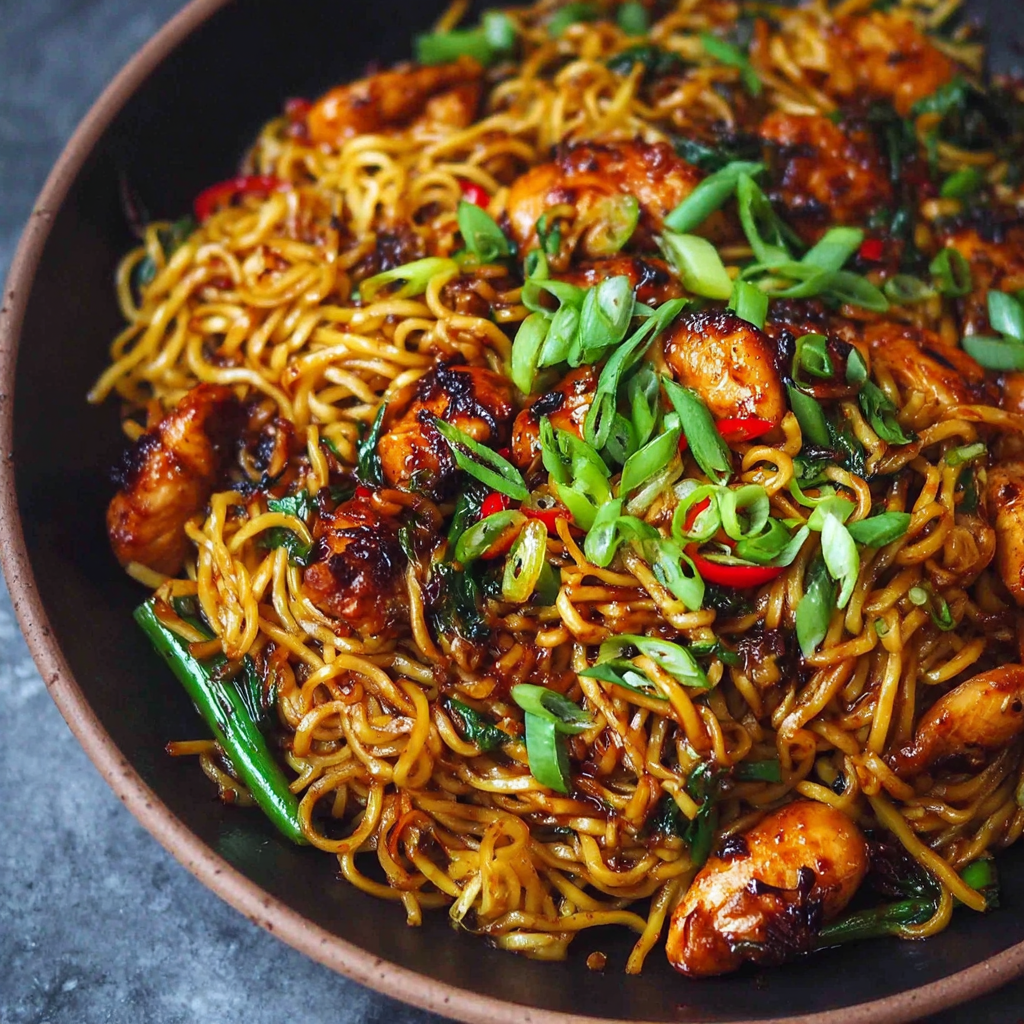
Be honest — how many times have you ordered takeout noodles this month, spent $18 to $25 on a single portion, and still found yourself hungry an hour later? Here’s the reality that most takeout menus don’t advertise: the average restaurant order of garlic noodles contains fewer than 22 grams of protein and is built predominantly on refined carbohydrates and sodium-heavy sauces that spike and crash your energy within the hour. This sticky garlic chicken noodle recipe was engineered specifically to fix all of that.
At over 45 grams of protein per serving, a sauce that clings to every strand with glossy, garlicky intensity, and a total cook time that beats your delivery driver’s ETA by a comfortable margin, this dish earns its place as a permanent fixture in your weekly dinner rotation. The sticky garlic sauce — built from a deeply savory combination of soy, oyster sauce, honey, and an almost unreasonable quantity of fresh garlic — coats every noodle in layers of umami-rich, caramelized flavor that no delivery box has ever managed to replicate at your doorstep.
A 2024 report by the NPD Group found that 67% of consumers who cook at home regularly cite “better nutrition without sacrificing flavor” as their primary motivation — and this recipe answers that call directly. Whether you’re a meal prep convert, a post-gym dinner seeker, or simply someone who believes weeknight cooking should taste like an occasion, these sticky garlic chicken noodles are exactly what you’ve been looking for. Let’s cook.
Ingredients List
For the Chicken
- 600g (1.3 lbs) boneless, skinless chicken thighs (sub: chicken breast for lower fat, tofu for vegan)
- 1 tbsp soy sauce or tamari (tamari for gluten-free)
- 1 tbsp cornstarch
- 1 tsp sesame oil
- ½ tsp white pepper
- ½ tsp garlic powder
For the Sticky Garlic Sauce
- 10 large garlic cloves, finely minced (yes, ten — this is non-negotiable)
- 3 tbsp soy sauce or tamari
- 2 tbsp oyster sauce (sub: hoisin sauce or vegan oyster sauce)
- 1½ tbsp honey (sub: maple syrup for vegan)
- 1 tbsp rice vinegar
- 1 tbsp dark soy sauce (for color and depth — sub: regular soy sauce)
- 1 tsp toasted sesame oil
- 1 tsp chili garlic sauce or sambal oelek (adjust to heat preference)
- ½ tsp freshly ground black pepper
- 2 tbsp neutral oil, for cooking (vegetable, canola, or avocado oil)
For the Noodles and Vegetables
- 400g (14 oz) fresh or dried wheat noodles (sub: rice noodles or soba noodles for gluten-free)
- 2 cups (140g) baby bok choy, halved lengthwise (sub: broccolini, snap peas, or spinach)
- 1 cup (90g) shredded red cabbage (adds crunch and color)
- 4 spring onions, white and green parts separated, thinly sliced
- 1 tbsp neutral oil
For Garnish
- 2 tbsp toasted sesame seeds
- 3 spring onion stalks, finely sliced on the diagonal
- 1 tbsp chili oil or crispy chili flakes (optional but highly recommended)
- Fresh cilantro leaves (optional)
- Lime wedges, to serve
Cornstarch Slurry (Sauce Thickener)
- 1 tsp cornstarch mixed with 2 tbsp cold water
Timing
- Prep Time: 15 minutes
- Marinating Time: 10 minutes (can be skipped if pressed for time)
- Cook Time: 20 minutes
- Total Time: 45 minutes
According to aggregated data from food delivery platforms, the average delivery time for Asian-style noodle orders in urban areas is 38–55 minutes from order to door. This recipe, from the moment you start prepping to the moment it hits the table, takes 45 minutes — meaning you eat at roughly the same time, spend a fraction of the money, consume nearly double the protein, and control every ingredient that goes into the dish. The math here is genuinely compelling.
Step-by-Step Instructions
Step 1: Marinate the Chicken
Slice the chicken thighs into thin, uniform strips approximately 1 cm wide — cutting across the grain ensures tenderness in every bite. Place in a medium bowl and add the soy sauce, cornstarch, sesame oil, white pepper, and garlic powder. Toss thoroughly until every piece is evenly coated. Set aside to marinate at room temperature for 10 minutes while you prepare the remaining components.
The cornstarch in the marinade serves a dual purpose: it tenderizes the chicken through a process known as velveting — the same technique used in professional Chinese restaurant kitchens — and creates a lightly coated surface that crisps beautifully in the hot wok or pan, giving the chicken its characteristic slightly chewy, golden exterior.
Key tip: Chicken thighs are the superior choice here over breast meat. They have a higher fat content that keeps them juicy and flavorful even at the high heat required for wok cooking, and they’re significantly more forgiving if cooked for an extra minute or two.
Step 2: Mix the Sticky Garlic Sauce
In a small bowl or measuring jug, combine the soy sauce, oyster sauce, honey, rice vinegar, dark soy sauce, sesame oil, chili garlic sauce, and black pepper. Whisk until the honey is fully dissolved and the sauce is smooth and evenly blended. Taste it at this stage — it should be intensely savory, slightly sweet, with a gentle heat and a deep, complex umami backbone. Adjust with more honey for sweetness, more rice vinegar for acidity, or more chili sauce for heat. Set the prepared cornstarch slurry alongside the sauce bowl, ready to go.
Key tip: Mixing the sauce before you begin cooking is one of the most important habits in stir-fry cooking. Once the wok is hot and the garlic is in the pan, everything moves fast. Having the sauce pre-measured and ready to pour in one smooth motion is the difference between a perfectly timed dish and a burnt one.
Step 3: Cook the Noodles
Bring a large pot of water to a rolling boil. Cook the noodles according to the package instructions, but reduce the suggested cooking time by 1–2 minutes — you want them just slightly underdone, as they will finish cooking in the sauce and absorb additional liquid as they do. Drain the noodles and immediately toss them with 1 teaspoon of sesame oil to prevent sticking. Set aside.
Key tip: Reserve about half a cup of the starchy noodle cooking water before draining. This liquid gold can be added to the sauce later if it thickens too aggressively, loosening it to the perfect glossy, clingy consistency without diluting the flavor.
Step 4: Sear the Chicken
Heat a large wok or heavy-bottomed skillet over the highest heat your stove will produce. Add 1 tablespoon of neutral oil and allow it to heat until shimmering and just beginning to smoke — this high starting temperature is what creates the golden sear rather than a pale steam. Add the marinated chicken in a single layer, resisting the urge to stir immediately. Leave undisturbed for 2–3 minutes until a deep golden crust forms on the underside, then toss and cook for another 2–3 minutes until cooked through. Remove the chicken from the pan and set aside on a plate.
Key tip: Cook the chicken in two batches if your pan is smaller than 30cm (12 inches). Crowding the pan dramatically drops the temperature, turning a sear into a braise and eliminating the golden, slightly crispy exterior that gives this dish its textural personality.
Step 5: Bloom the Garlic and Build the Sauce
Return the pan to high heat and add the remaining tablespoon of oil. Add the minced garlic and the white parts of the spring onions simultaneously. Stir constantly for 45–60 seconds — the garlic should turn golden and intensely fragrant but must not burn. Burnt garlic is irreversibly bitter and cannot be rescued. Watch closely and move quickly.
Immediately pour in the prepared sauce, which will sizzle and bubble dramatically on contact with the hot pan. Stir to combine and let it cook for 30 seconds. Add the cornstarch slurry and stir continuously — within 60–90 seconds the sauce will thicken to a glossy, deeply colored, sticky consistency that coats the back of a spoon. This is the moment the dish comes alive.
Step 6: Add the Vegetables and Noodles
Add the bok choy to the sauce and toss for 60–90 seconds until the leaves are wilted and the stems are just tender with a slight bite remaining. Return the seared chicken to the pan. Add the cooked noodles and shredded red cabbage, then toss everything vigorously using tongs or two large spoons until every strand is evenly coated in the sticky garlic sauce and every component is evenly distributed. If the sauce is too thick at any point, add the reserved noodle water a tablespoon at a time to reach your ideal consistency.
Step 7: Garnish and Serve
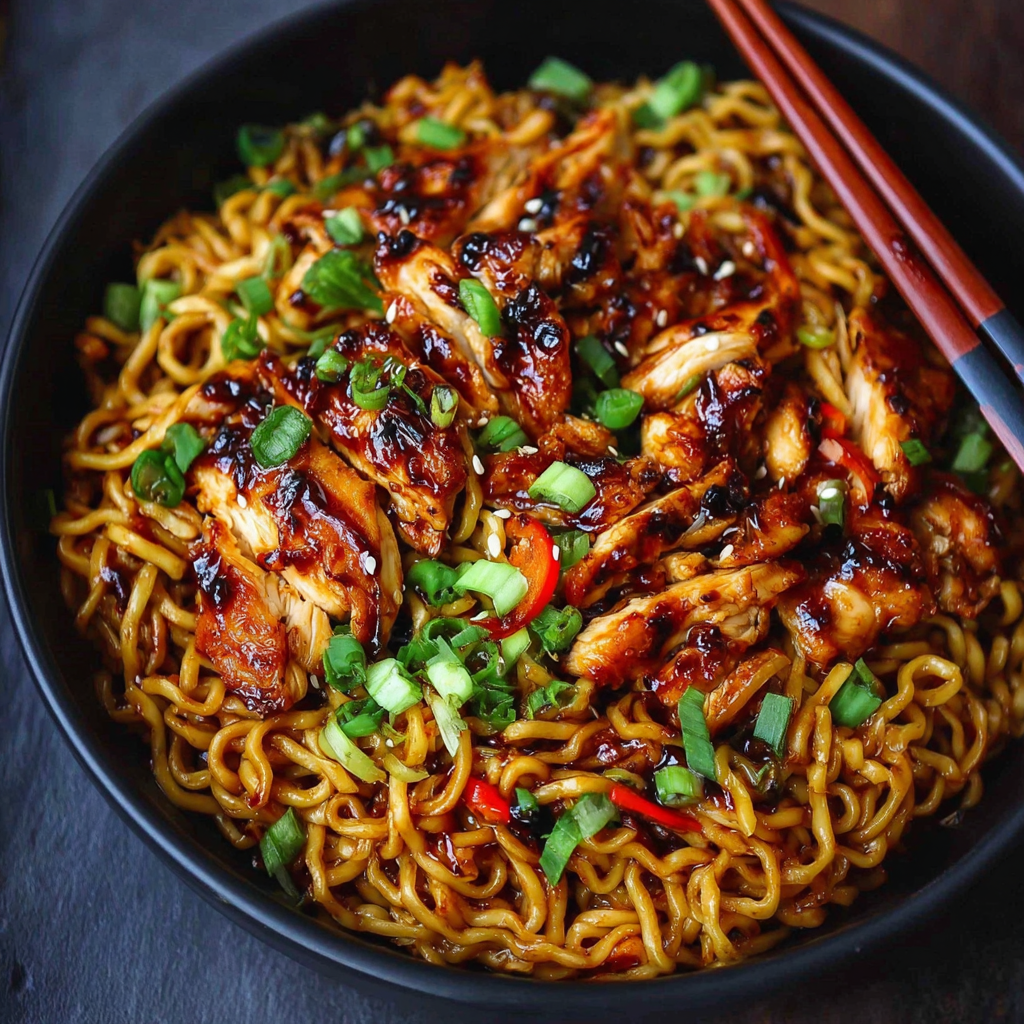
Divide the noodles between bowls immediately — this dish is at its absolute best the moment it leaves the pan. Top each bowl generously with toasted sesame seeds, the green tops of the spring onions sliced on the diagonal, a drizzle of chili oil, and fresh cilantro if using. Serve with lime wedges on the side — a squeeze of fresh lime over the finished bowl cuts through the richness of the sauce and lifts every flavor in the dish. Eat immediately.
Nutritional Information
Per serving — based on 4 servings using chicken thighs and wheat noodles. Values are approximate.
| Nutrient | Per Serving | % Daily Value* |
|---|---|---|
| Calories | 610 kcal | 31% |
| Total Fat | 22g | 28% |
| Saturated Fat | 4g | 20% |
| Total Carbohydrates | 64g | 23% |
| Total Sugar | 12g | — |
| Protein | 46g | 92% |
| Dietary Fiber | 5g | 18% |
| Sodium | 980mg | 43% |
| Potassium | 820mg | 17% |
| Iron | 22% DV | 22% |
| Vitamin C | 38% DV | 38% |
| Vitamin B12 | 25% DV | 25% |
*Based on a standard 2,000-calorie daily diet. Values will vary based on noodle type, soy sauce brand, and portion sizes.
At 46 grams of protein per serving, this dish meets or exceeds the full daily protein requirement for many sedentary adults in a single meal, and sits comfortably within the post-workout protein synthesis window recommended by the International Society of Sports Nutrition. The combination of complete animal protein from the chicken and complex carbohydrates from the noodles makes this a particularly well-suited recovery meal within two hours of training.
Healthier Alternatives for the Recipe
Lower sodium: Use reduced-sodium soy sauce throughout and replace the oyster sauce with a low-sodium hoisin sauce. Coconut aminos — a naturally sweeter, lower-sodium soy sauce alternative — can replace both the regular and dark soy sauce entirely and reduce the sodium per serving by approximately 35–40%.
Gluten-free: Substitute tamari for all soy sauce, replace oyster sauce with certified gluten-free hoisin or a vegan oyster sauce, and use rice noodles, soba noodles made from 100% buckwheat, or glass noodles in place of wheat noodles. Every other component is naturally gluten-free.
Higher vegetable content: Double the bok choy, add 1 cup of edamame, and fold in 2 large handfuls of baby spinach in the final toss. The spinach wilts almost instantly in the residual heat and adds iron, folate, and additional fiber without altering the flavor of the sauce.
Lower carbohydrate: Replace half or all of the noodles with spiralized zucchini, hearts of palm noodles, or shirataki noodles. Reduce the sauce quantity by roughly 25% as these alternatives absorb less liquid than wheat noodles.
Fully vegan: Swap chicken for extra-firm tofu pressed and cubed, replace oyster sauce with vegan oyster sauce or mushroom stir-fry sauce, and use maple syrup instead of honey. Press the tofu for a minimum of 30 minutes before cooking to remove excess moisture and achieve a satisfying golden sear.
Lower sugar: Reduce the honey to 1 teaspoon and add ½ teaspoon of monk fruit sweetener or a few drops of liquid stevia to maintain the necessary sweetness in the sauce without the added sugars.
Serving Suggestions
Classic noodle bowl: Serve immediately in deep, wide bowls with all garnishes applied generously. A set of chopsticks alongside a wide soup spoon allows guests to catch every strand and every drop of the sticky sauce — the traditional and most satisfying way to eat this dish.
Meal prep containers: Divide into four airtight containers and refrigerate for up to 4 days of ready-to-eat high-protein lunches. Store the sesame seeds, fresh spring onions, and chili oil separately and apply at the moment of eating. Reheat in a pan with a splash of water rather than the microwave for the best texture restoration.
Lettuce wrap style: Serve the saucy chicken and noodle mixture inside large butter lettuce or iceberg lettuce cups instead of bowls. This format reduces carbohydrates, adds a fresh crunch, and makes the dish ideal for entertaining as an appetizer or starter course.
Ramen upgrade: Serve over a bowl of hot, unsalted chicken broth with the noodles submerged and the sticky chicken arranged on top. This transforms the dish into a self-saucing, broth-based noodle soup that is particularly well-suited to cold-weather eating.
Side dish pairing: Serve alongside steamed jasmine rice or cauliflower rice, a simple cucumber salad dressed with rice vinegar, sesame oil, and chili flakes, and edamame tossed with flaky sea salt. This builds the meal into a complete, restaurant-caliber spread suitable for casual dinner guests.
Spicy noodle bar: Set up a toppings station with chili oil, crispy fried shallots, soft-boiled ramen eggs marinated in soy and mirin, sliced fresh chili, crushed roasted peanuts, and extra lime wedges. Let guests build and customize their own bowls — it turns a weeknight dinner into an effortlessly fun dining experience.
Common Mistakes to Avoid
Using a cold or insufficiently hot pan. Stir-fry cooking is entirely dependent on intense, sustained heat. A pan that isn’t hot enough before the chicken goes in produces pale, steamed meat with no sear, no caramelization, and none of the smoky wok-kissed depth that defines great Asian noodle dishes. Heat the pan until it begins to smoke before adding any oil or protein — every time.
Not preparing the sauce in advance. This is the most practically damaging mistake specific to this recipe. The garlic blooms and the sauce comes together in under 90 seconds of high-heat cooking. If you’re still measuring ingredients at that point, the garlic will burn before the sauce hits the pan. Mix everything before you turn on the stove.
Overcooking the garlic. Forty-five seconds in a properly hot pan is all the raw garlic needs to turn golden, fragrant, and sweet. Even ten seconds past that point tips it toward bitter. Your entire attention must be on the garlic during this window — no multitasking.
Cooking noodles to full package time. Noodles that finish cooking in boiling water will overcook in the sauce during the final toss, becoming mushy and losing their ability to hold texture. Undercook by 1–2 minutes deliberately, every time, without exception.
Skipping the cornstarch marinade on the chicken. The velveting technique — coating protein in cornstarch before high-heat cooking — is one of the most effective and underused tools in home cooking. It creates a protective, slightly crispy coating on the exterior while sealing in moisture, producing chicken that is simultaneously golden outside and tender inside. It takes 30 seconds and makes a substantial difference.
Adding all the noodle water at once. If the sauce is too thick, the instinct is to add liquid quickly. Adding too much at once dilutes the sauce dramatically and results in a watery, flat-tasting dish. Add reserved noodle water one tablespoon at a time, tossing between each addition, until you reach exactly the glossy, clingy consistency the dish calls for.
Storing Tips for the Recipe
Refrigerator: Store leftover noodles in an airtight container for up to 4 days. The flavors deepen noticeably overnight as the sauce fully penetrates the noodles and chicken — many people prefer the leftovers to the fresh batch for exactly this reason.
Reheating: The best method for reheating is a hot skillet or wok with 2 tablespoons of water added to the pan. The water creates a burst of steam that loosens the sauce, reheats everything evenly, and restores much of the original glossy consistency. Avoid the microwave if possible — it heats unevenly, dries the chicken, and turns the noodles sticky in the wrong way.
Freezer: The seared chicken and sauce freeze well separately for up to 2 months. Cooked noodles do not freeze well — they become mushy and waterlogged upon thawing. If you plan to freeze portions, cook fresh noodles when ready to eat and combine with the defrosted chicken and sauce.
Sauce storage: The sticky garlic sauce can be made in a larger batch and stored in a sealed glass jar in the refrigerator for up to 2 weeks. Having the sauce pre-made reduces the weeknight cooking time to under 20 minutes and makes this one of the fastest high-protein dinners in any rotation.
Meal prep strategy: Marinate and sear a double batch of chicken at the beginning of the week. Store the cooked chicken and prepared sauce separately in the refrigerator. Each evening, cook fresh noodles in 10 minutes, warm the chicken and sauce in a pan, toss together, and serve. Four dinners from one Sunday cooking session — efficient, high-protein, and genuinely satisfying every time.
Conclusion
These sticky garlic chicken noodles prove conclusively that the gap between great takeout and great home cooking is smaller than a delivery fee. A glossy, deeply savory garlic sauce, golden velveted chicken, perfectly cooked noodles, and crisp vegetables come together in 45 minutes with ingredients that cost a fraction of any delivery order — and deliver nearly double the protein of anything arriving in a paper bag at your door.
Time to cook? Try this recipe tonight and share your results in the comments below. Tell us how much garlic you used, which noodle you chose, and whether it beat your usual takeout order — we’re confident about the answer. Leave a review, share it with someone who needs a better weeknight dinner, and subscribe to our newsletter for more high-protein, flavor-first recipes delivered to your inbox every week. Your wok is waiting.
FAQs
Can I use chicken breast instead of chicken thighs? Yes, with one important adjustment. Chicken breast is leaner and cooks faster than thighs, which means it can go from perfectly cooked to dry in under a minute at high heat. Slice it slightly thicker than thighs — approximately 1.5cm strips — and reduce the searing time to 90 seconds per side. The cornstarch velveting marinade is especially important with breast meat as it provides the moisture protection that thighs supply naturally through their higher fat content.
What type of noodles work best for this recipe? Fresh egg noodles or fresh wheat noodles produce the most authentic result — they have a natural chewiness and absorb the sticky sauce without becoming waterlogged. Dried udon noodles are an excellent pantry-friendly alternative with substantial texture. Rice noodles work well for a gluten-free version but require careful handling as they soften quickly and can break apart during the final toss if overcooked.
Why does my sauce not stick to the noodles? There are three common causes: the sauce was not thickened with the cornstarch slurry, the noodles were overcooked and too soft to hold the sauce, or insufficient heat was used during the final toss. All three can be corrected in the next attempt. Ensure the cornstarch slurry is added and the sauce is visibly thickened and glossy before adding the noodles, and keep the heat high throughout the final assembly stage.
Can I make this dish ahead for a dinner party? The best approach for entertaining is to pre-cook and marinate the chicken, pre-mix the sauce, and prep all vegetables and garnishes up to 24 hours ahead. Cook everything fresh the evening of — the actual cooking time once all components are prepared is under 15 minutes. Serving it directly from the pan the moment it’s finished gives guests the full experience of the glossy, hot, fragrant sauce at its peak.
Is this recipe suitable for children? It is very well-suited for children with one modification: reduce or eliminate the chili garlic sauce from the main recipe and serve chili oil and chili flakes on the side for adults to add individually. The sticky, sweet-savory garlic sauce without the chili component is enormously popular with children, and the noodle format makes it an accessible and appealing meal for picky eaters across age groups.
How do I make this recipe fully gluten-free without losing flavor? Use tamari in place of all soy sauce — tamari is a naturally gluten-free soy sauce with a richer, slightly less sharp flavor than conventional soy. Replace oyster sauce with a certified gluten-free hoisin sauce or a purpose-made vegan oyster sauce. Use 100% buckwheat soba noodles or rice noodles. Verify that your chili garlic sauce brand is gluten-free, as some contain wheat-based thickeners. With these substitutions in place, the flavor difference from the original recipe is genuinely negligible.