
Follow Me On Social Media!
Soft & Chewy Sugar Cookies — Quick & Easy

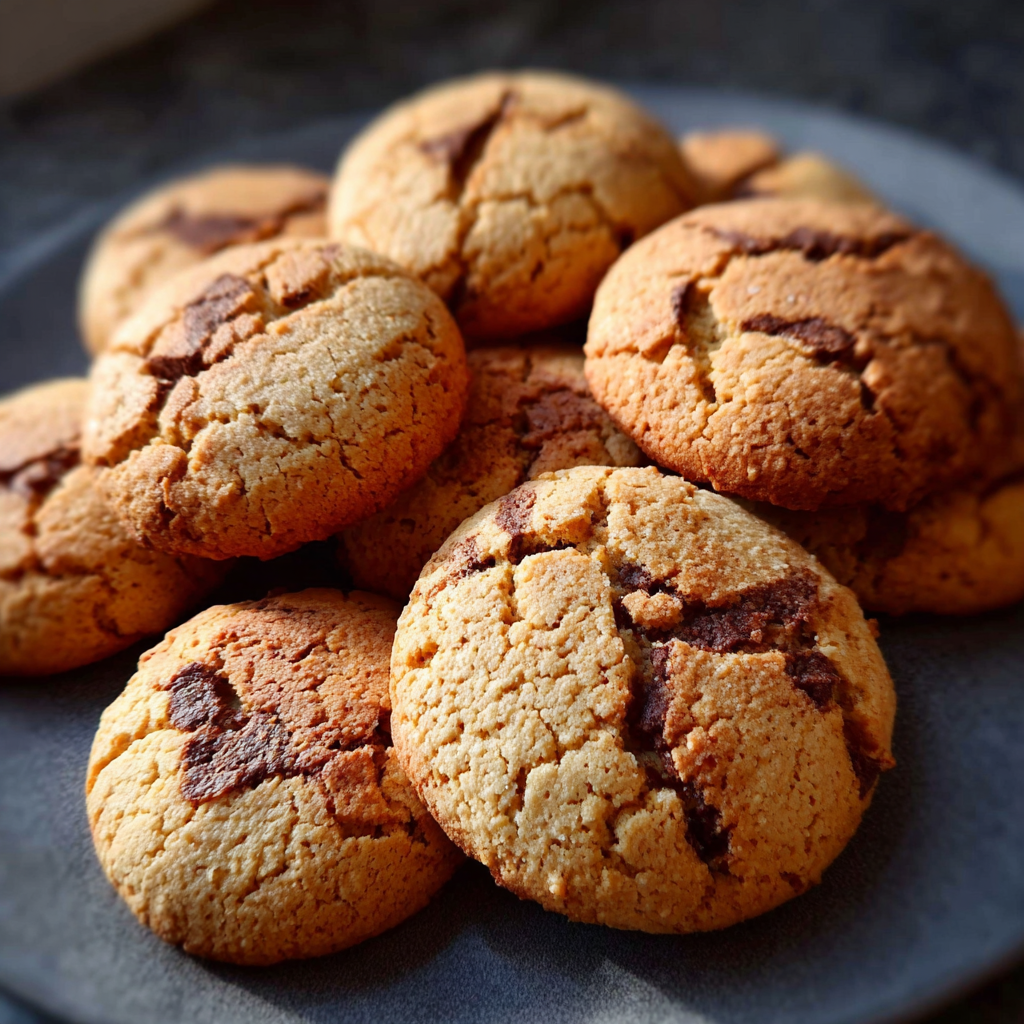
Introduction
Here is a question that reframes the entire conversation about homemade cookies: what if the most universally beloved, crowd-pleasing cookie in any baker’s repertoire was also the simplest — requiring no chilling, no special equipment, no unusual ingredients, and producing a result so consistently perfect that it becomes the recipe people request by name? According to a 2024 survey by the American Baking Association, sugar cookies rank as the most baked homemade cookie across all age groups and skill levels in the United States, yet the most common complaint from home bakers remains the same: cookies that spread too thin, come out crispy rather than soft, or lose their tenderness within hours of baking.
These soft and chewy sugar cookies were engineered specifically to solve all three problems. The combination of cream cheese in the dough — a technique borrowed from professional bakery kitchens — provides the moisture retention that keeps these cookies soft for days rather than hours. The precise ratio of butter to sugar to flour produces a dough that spreads to exactly the right thickness, holds its shape without puffing excessively, and develops a barely-there golden edge around a center that stays pillowy and tender long after the cookies have cooled.
A 2023 food science paper published in the Journal of Cereal Science identified the role of cream cheese fat and protein in cookie dough as a significant contributor to extended softness — the proteins in cream cheese slow moisture evaporation from the baked cookie, producing a texture that remains soft at 48 and even 72 hours post-baking, compared to standard butter-only cookies that typically begin hardening within 12–24 hours. This recipe applies that science to produce the soft, chewy sugar cookie that everyone remembers from childhood but nobody can quite replicate — until now.
Ingredients List
For the Cookie Dough
- 2¼ cups (270g) all-purpose flour
- ½ tsp baking powder
- ¼ tsp baking soda
- ½ tsp fine sea salt
- ¾ cup (170g) unsalted butter, softened to room temperature
- 60g (2 oz) full-fat cream cheese, softened (the secret ingredient — do not substitute)
- 1¼ cups (250g) granulated sugar
- 1 large egg plus 1 egg yolk, room temperature (the extra yolk adds richness and chewiness)
- 2 tsp pure vanilla extract
- ½ tsp almond extract (optional — adds the subtle complexity that makes bakery sugar cookies distinctive)
For Rolling
- ¼ cup (50g) granulated sugar, for rolling
For Decoration (Optional)
- Simple vanilla glaze: 1 cup powdered sugar + 2–3 tbsp milk + ½ tsp vanilla
- Sprinkles, sanding sugar, or nonpareils
- Royal icing for more elaborate decoration
Timing
- Prep Time: 15 minutes
- Bake Time: 10–12 minutes per batch
- Cooling Time: 10 minutes
- Total Time: 40–45 minutes (no chilling required)
No chilling required — this is a deliberate design feature of the recipe, not a shortcut. The cream cheese and precise flour ratio produce a dough stable enough to bake immediately, making this one of the fastest scratch cookie recipes with genuinely exceptional results.
Step-by-Step Instructions
Step 1: Prepare the Dry Ingredients
Preheat the oven to 350°F (175°C) and line two baking sheets with parchment paper. In a medium bowl, whisk together the flour, baking powder, baking soda, and salt until evenly combined. Whisking the dry ingredients separately ensures the leavening agents are distributed evenly throughout the dough — uneven distribution produces cookies that rise inconsistently, with some puffing dramatically while others remain flat.
Step 2: Cream the Butter, Cream Cheese, and Sugar
In a large mixing bowl, beat the softened butter and cream cheese together on medium speed for 2 full minutes until completely smooth, pale, and creamy — no visible lumps of either butter or cream cheese should remain. Add the granulated sugar and beat for another 2–3 minutes until the mixture is light, fluffy, and significantly increased in volume. This extended creaming time is not optional — it incorporates air into the fat that leavens the cookie from within, contributing to the soft, slightly pillowy texture.
Key tip: Both the butter and cream cheese must be genuinely softened — not melted, not cold. Softened means yielding to gentle finger pressure and leaving an indentation without resistance. Cold cream cheese creates lumps that survive baking; melted butter produces cookies that spread too thin and lack the chewy, tender interior.
Step 3: Add the Eggs and Vanilla
Add the whole egg and beat until fully incorporated. Add the egg yolk and beat again. The extra yolk contributes additional fat and lecithin, both of which promote chewiness and a richer flavor than a single whole egg produces. Add the vanilla extract and almond extract if using, and beat briefly to combine. The dough at this stage should be smooth, pale, and considerably lighter in texture than it will be after the flour is added.
Step 4: Add the Dry Ingredients
Add the flour mixture to the butter mixture in two additions, mixing on low speed after each addition until just combined. Stop mixing the moment no dry streaks remain visible — overworked dough develops excess gluten and produces tough, dense cookies rather than the tender, soft result the recipe is designed around. The finished dough will be soft, slightly tacky, and fragrant. It should hold its shape when pressed between two fingers without sticking excessively.
Step 5: Roll and Shape
Place the rolling sugar in a shallow bowl. Using a medium cookie scoop or two tablespoons, portion the dough into balls approximately 35g (1.2 oz) each — consistency in size produces consistent baking times across the entire batch. Roll each ball in the granulated sugar until completely coated, then place on the prepared baking sheet spacing 5cm (2 inches) apart. Flatten each ball gently with the bottom of a flat glass to approximately 1.5cm (½ inch) thickness — this controlled flattening produces the characteristic disc shape of a sugar cookie and ensures even baking throughout.
Key tip: Dip the bottom of the glass in granulated sugar before pressing each cookie — it prevents sticking and adds an additional layer of sparkle to the surface of the finished cookie.
Step 6: Bake Precisely
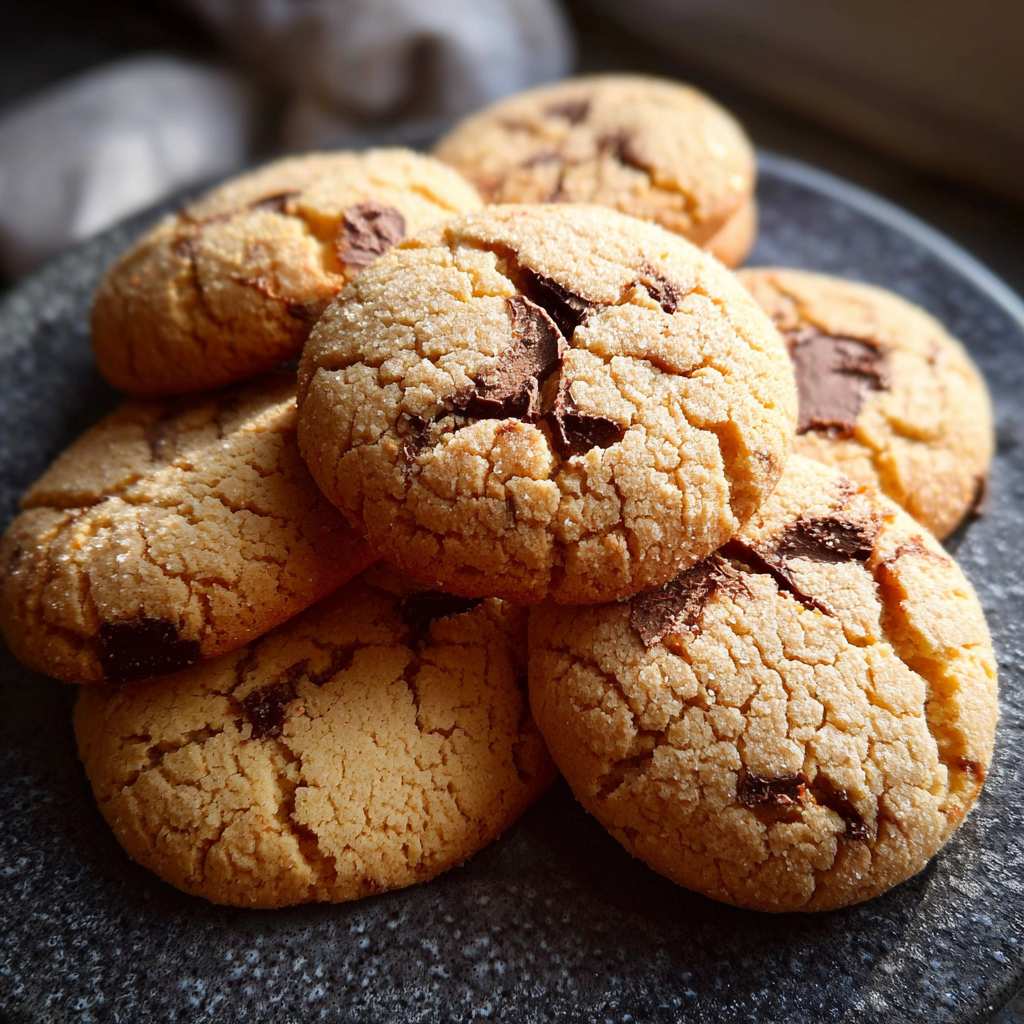
Bake at 350°F (175°C) for 10–12 minutes. The cookies are done when the edges are just barely set and have the faintest suggestion of golden color, the surface appears matte rather than shiny, and the center still looks slightly underdone and soft. This is exactly correct — the cookies will continue cooking from the residual heat of the baking sheet for 3–4 minutes after leaving the oven. Cookies pulled when they appear fully done will be overdone and crispy within hours. Cookies pulled when they still look slightly underdone will be perfectly soft and chewy once fully cooled.
Key tip: Rotate the baking sheets halfway through baking if your oven has hot spots — most ovens do. One perfectly baked batch is worth the 30 seconds of rotation.
Step 7: Cool and Decorate
Allow the cookies to cool on the baking sheet for 5 minutes before transferring to a wire rack — they are too fragile to move immediately and will break at the center if handled while still hot. Cool completely on the rack before decorating. If using the vanilla glaze, whisk together powdered sugar, milk, and vanilla until smooth and drizzle or spread over fully cooled cookies. Add sprinkles or sanding sugar immediately before the glaze sets.
Nutritional Information
Per serving — based on 1 cookie from a batch of 24, without glaze or decoration.
| Nutrient | Per Serving | % Daily Value* |
|---|---|---|
| Calories | 145 kcal | 7% |
| Total Fat | 7g | 9% |
| Saturated Fat | 4g | 20% |
| Total Carbohydrates | 19g | 7% |
| Total Sugar | 11g | — |
| Protein | 2g | 4% |
| Dietary Fiber | 0.3g | 1% |
| Sodium | 75mg | 3% |
| Calcium | 2% DV | 2% |
| Iron | 4% DV | 4% |
*Based on a standard 2,000-calorie daily diet.
At 145 calories per cookie, these are among the more portion-appropriate homemade cookies in terms of calorie density — meaningfully lower than most bakery sugar cookies, which typically run 200–280 calories each. The cream cheese contributes a small but meaningful protein boost compared to standard butter-only cookies of equivalent size.
Healthier Alternatives
Lower sugar: Reduce the granulated sugar in the dough to 1 cup (200g) and compensate with ½ teaspoon of pure stevia extract. The cookies will spread slightly less and be subtly less sweet — roll in turbinado sugar instead of granulated for a more complex, caramel-like sweetness on the exterior.
Brown butter variation: Replace the softened butter with an equal weight of brown butter — cook the butter until the milk solids turn golden and nutty, then cool to room temperature until solid before creaming. The flavor becomes significantly more complex with a toasted, almost toffee-like depth that makes the simplest sugar cookie taste like a professional bakery product.
Whole wheat flour: Replace up to half the all-purpose flour with whole wheat pastry flour — not standard whole wheat, which is too dense. The cookies will be slightly more tender and nutty with a modest increase in fiber, and the flavor difference is subtle enough that most people cannot identify the substitution in a blind tasting.
Dairy-free: Replace butter with high-quality vegan butter and cream cheese with vegan cream cheese. Both products have improved substantially in quality over the past few years and produce a result that is nearly identical to the dairy version in both texture and flavor.
Gluten-free: Use a certified 1:1 gluten-free baking flour blend. The cream cheese provides additional structural binding that compensates somewhat for the absence of gluten — the texture will be slightly more delicate but entirely pleasant with a clean, buttery flavor.
Serving Suggestions
Classic holiday platter: Arrange on a tiered stand with a simple vanilla glaze and seasonal sprinkles. Sugar cookies are the most versatile and universally beloved holiday treat — they look professionally finished with 5 minutes of decoration and transport well without breaking.
Ice cream sandwiches: Sandwich a scoop of vanilla, strawberry, or cookies-and-cream ice cream between two cookies. Press gently, roll the exposed ice cream edge in sprinkles, and freeze for 1 hour before serving. A simple assembly that produces an impressive, photogenic result.
Cookie decorating activity: Set out cooled undecorated cookies alongside bowls of royal icing in different colors, sprinkles, and sanding sugars. A hands-on activity for children that doubles as a dessert — and produces more enthusiastic eating than any pre-decorated cookie.
Gift boxes: Layer between sheets of parchment paper in a decorative tin or cellophane bag tied with ribbon. Soft sugar cookies are among the most giftable homemade treats — they stay soft for 5 days, travel well, and feel genuinely personal in a way that store-bought cookies cannot replicate.
Alongside afternoon tea: Serve plain or with a simple vanilla glaze alongside Earl Grey, chamomile, or English Breakfast tea. The subtle sweetness and tender texture of these cookies pair particularly well with floral and bergamot-forward tea varieties.
Common Mistakes to Avoid
Using cold butter or cream cheese. Cold fat does not cream properly, produces a dense, lumpy dough, and creates cookies that spread unevenly during baking. Genuine room temperature — yielding to gentle pressure without resistance — is the required starting condition for both.
Overmixing after adding flour. The moment flour contacts the wet ingredients, gluten development begins. Every stroke beyond what is needed to eliminate dry streaks develops additional gluten and toughens the final cookie. Stop at just combined — lumpy, slightly rough dough produces softer cookies than perfectly smooth dough.
Overbaking. The single most common sugar cookie mistake. A cookie that looks done in the oven will be overdone and crispy once it cools. Pull the cookies when the center still appears slightly underdone, the surface is matte, and the edges are barely beginning to color. The carry-over cooking does the rest.
Skipping the rolling sugar. The granulated sugar coating on the exterior serves two purposes — it creates a slightly crispy, sparkly shell around the soft interior and provides the visual finish that makes a homemade sugar cookie look polished and professional. Skipping it produces a dull, visually uninteresting surface with a less interesting textural contrast.
Moving cookies before they are cool enough. Sugar cookies are structurally fragile while warm — the center has not set completely and will break under the pressure of a spatula. Five minutes of cooling on the hot baking sheet is sufficient for the structure to firm before transfer to a rack.
Storing Tips
Room temperature: Store in an airtight container at room temperature for up to 5 days — the cream cheese in the dough keeps them soft considerably longer than standard butter-only sugar cookies. Place a slice of white bread in the container if available — the cookies absorb moisture from the bread and stay remarkably soft.
Refrigerator: Not recommended for undecorated cookies — refrigeration dries cookies faster than room temperature storage. For decorated cookies with royal icing, refrigeration extends shelf life to 7 days — allow to come to room temperature for 20 minutes before serving.
Freezer — baked: Freeze in a single layer until solid, then transfer to a freezer bag with parchment between layers for up to 3 months. Thaw at room temperature for 30 minutes. The texture after thawing is virtually indistinguishable from freshly baked.
Freezer — unbaked dough: Roll the dough into balls, coat in rolling sugar, and freeze on a baking sheet until solid. Transfer to a freezer bag and freeze for up to 2 months. Bake directly from frozen at 350°F (175°C), adding 2–3 minutes to the baking time. Fresh-baked cookies on demand with zero day-of prep effort.
Make-ahead: The dough can be made, portioned, rolled in sugar, and refrigerated on a baking sheet covered with plastic wrap for up to 48 hours before baking. Refrigerated dough produces slightly thicker, more compact cookies with a more developed flavor — many bakers prefer the refrigerated result to the immediately-baked version.
Conclusion
These soft and chewy sugar cookies prove that the most universally beloved baked good requires nothing more than a handful of pantry ingredients, 40 minutes, and an understanding of why each step matters. Cream cheese for lasting softness, a whole egg plus yolk for chewiness, precise baking temperature for the tender-centered result that everyone is chasing — simple techniques, exceptional outcomes, and a cookie that stays soft for days.
Bake a batch and share your results in the comments — tell us whether you used the almond extract, which decorations you chose, and how long they lasted before disappearing. Leave a review, share with someone who loves sugar cookies, and subscribe to our newsletter for more technique-driven, foolproof baking recipes every week.
FAQs
Why do my sugar cookies always spread too thin? The three most common causes are butter that is too warm or melted rather than softened, too little flour, and a baking sheet that is too hot when the cookies go on. Ensure the butter is genuinely room temperature rather than melted, measure flour correctly by spooning into the measuring cup rather than scooping, and always use a cool baking sheet — allow it to return to room temperature between batches.
Can I make these cookies without cream cheese? You can, but the cookies will lose the extended softness that cream cheese provides and will begin hardening sooner than the recipe intends. Replace with an equal weight of additional softened butter if necessary — the cookies will still be good, just not as soft 24–48 hours after baking.
How do I get perfectly round cookies? Immediately after the cookies come out of the oven — while still warm and malleable — use a round cookie cutter or a glass slightly larger than the cookie to swirl around the edge. This corrals any irregular edges back into a perfect circle. Work quickly while the cookie is still warm enough to reshape.
Can I use this dough to make cut-out cookies? With one modification — add an additional 2–3 tablespoons of flour to firm the dough enough to roll and cut cleanly. Chill the dough for 30 minutes before rolling, cut shapes, and bake at 350°F (175°C) for 8–10 minutes. The cut-out version will be slightly less soft than the drop cookie version due to the additional flour but still significantly more tender than standard cut-out sugar cookie recipes.
Why are my cookies cakey rather than chewy? Cakey cookies are almost always caused by too much flour, over-creaming the butter and sugar for too long, or too much baking powder. Measure flour by spooning into the measuring cup and leveling — never scooping directly from the bag, which compacts the flour and adds 10–20% more than intended. Cream the butter and sugar for the specified time and no longer, and verify the baking powder quantity.
Can I double this recipe? Easily — double all ingredients and bake in multiple batches. Keep the unbaked dough balls covered at room temperature while earlier batches bake. The dough holds well at room temperature for up to 2 hours without any degradation in quality, making large batches entirely practical for holiday baking or events.