
Follow Me On Social Media!
Healthy Protein Breakfast Muffins for Kids

Introduction
Here is a question every parent recognizes: what do you feed a child who has exactly four minutes before the school bus arrives, refuses to sit down for breakfast, and has opinions about food that change daily without warning? According to a 2024 report by the Academy of Nutrition and Dietetics, children who consume adequate protein at breakfast show measurably better concentration, improved academic performance, and significantly reduced mid-morning hunger compared to children who eat high-carbohydrate, low-protein morning meals. The challenge is not knowing that protein matters at breakfast — it is finding a format that a child will actually eat. These healthy protein breakfast muffins for kids solve that problem directly.
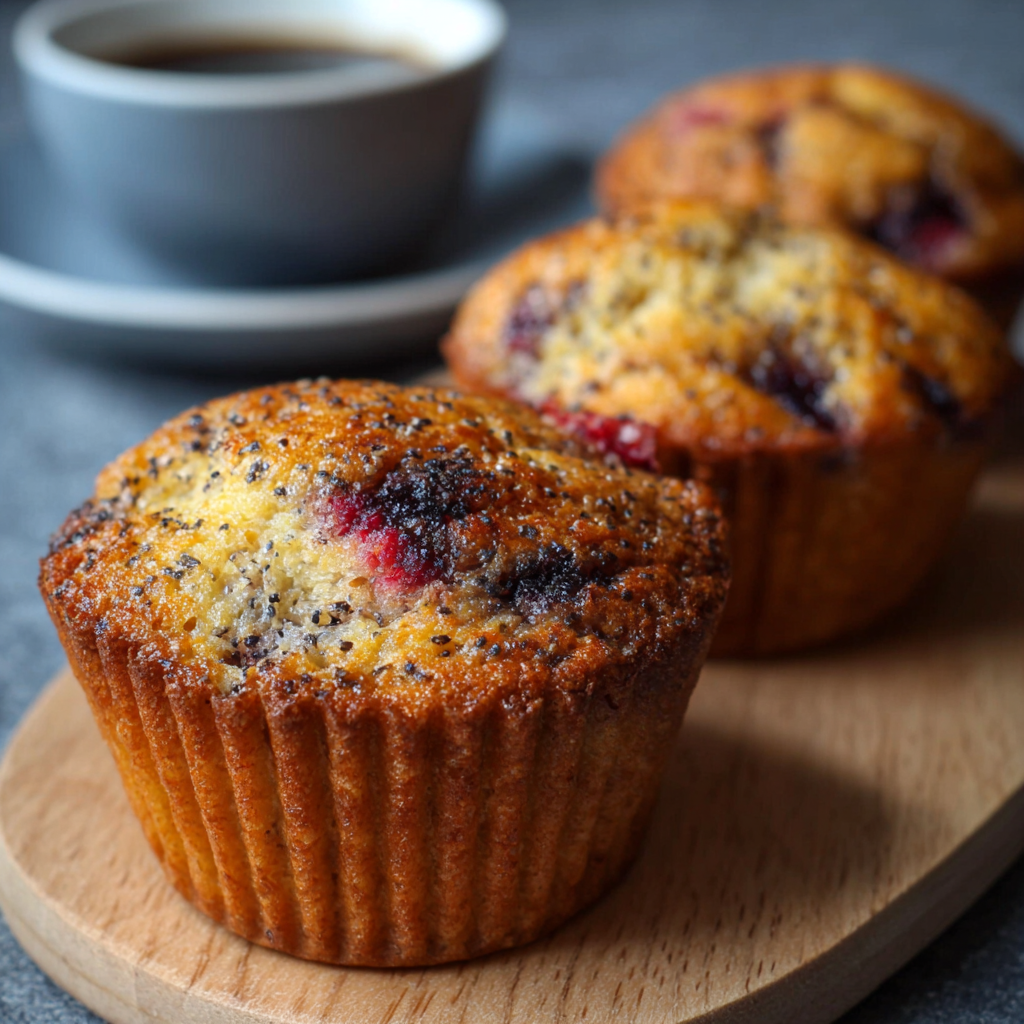
These muffins are soft, naturally sweet, hand-held, and genuinely delicious — the kind of breakfast a child reaches for enthusiastically rather than negotiates around. They are packed with protein from eggs, Greek yogurt, and oats, naturally sweetened with banana and a small amount of honey, and flexible enough to accommodate the kind of ingredient additions that turn a skeptical five-year-old into a devoted fan. They are also freezer-friendly, meaning one Sunday baking session produces two weeks of effortless weekday breakfasts.
A 2023 pediatric nutrition study published in the Journal of the Academy of Nutrition and Dietetics found that children who consumed protein-rich breakfasts in portable, self-contained formats — as opposed to plated meals — showed significantly higher breakfast completion rates, with 78% finishing the entire portion compared to 52% for plated breakfasts. The format matters as much as the nutrition. These muffins deliver both.
Ingredients List
For the Muffin Base
- 1½ cups (135g) rolled oats (old-fashioned oats — not instant)
- 2 large eggs
- ½ cup (120g) full-fat Greek yogurt
- 2 medium ripe bananas, mashed (approximately 200g peeled weight)
- 3 tbsp honey or pure maple syrup
- 3 tbsp coconut oil or unsalted butter, melted
- 1 tsp pure vanilla extract
- 1 tsp baking powder
- ½ tsp baking soda
- ¼ tsp fine sea salt
- 1 tsp ground cinnamon
For the Protein Boost (Choose One or Combine)
- 2 tbsp unflavored or vanilla pea protein powder (adds 4–6g protein per muffin)
- ¼ cup (60g) almond butter or peanut butter, stirred into the batter
- ½ cup (90g) mini chocolate chips (kids’ favorite — also adds a small protein contribution from the cocoa)
- ¼ cup (35g) hemp seeds, folded in (neutral flavor, excellent protein and omega-3 profile)
Optional Mix-Ins (Choose One or Two)
- ½ cup (75g) blueberries, fresh or frozen
- ¼ cup (40g) raisins or dried cranberries
- ¼ cup (30g) grated carrot or zucchini (virtually undetectable in flavor)
- 2 tbsp sunflower seeds or pumpkin seeds
Timing
- Prep Time: 10 minutes
- Bake Time: 18–20 minutes
- Cooling Time: 10 minutes
- Total Time: 38–40 minutes
One baking session produces 12 muffins — a two-week breakfast supply when frozen. The entire process from bowl to oven takes under 12 minutes of active work, making this one of the most time-efficient healthy breakfast preparations available for families.
Step-by-Step Instructions
Step 1: Prepare the Oat Base
Preheat the oven to 350°F (175°C). Line a standard 12-cup muffin tin with paper liners or grease each cup thoroughly with coconut oil. Place the rolled oats in a blender or food processor and pulse 8–10 times until they resemble a coarse flour — not a completely fine powder, but a rough, flour-like texture with some visible oat pieces remaining. This blended oat base replaces traditional flour, provides a naturally gluten-adaptable base, adds fiber, and produces a muffin with a pleasantly dense but soft texture that holds together well in small hands.
Key tip: Do not over-process the oats into a completely fine powder — the partial texture of the blended oats is what gives these muffins their characteristic heartiness. A few visible oat flakes in the final texture are desirable, not a processing error.
Step 2: Combine the Wet Ingredients
In a large mixing bowl, mash the ripe bananas thoroughly with a fork until smooth with minimal lumps. Add the eggs, Greek yogurt, melted coconut oil, honey, and vanilla extract. Whisk together until completely smooth and evenly combined. The ripe bananas provide natural sweetness, moisture, and binding — they are the structural and flavor foundation of the entire muffin. The riper the banana, the sweeter and more banana-forward the muffin will be.
Step 3: Add the Dry Ingredients
Add the blended oats, baking powder, baking soda, salt, and cinnamon to the wet ingredient bowl. Fold together with a rubber spatula until just combined — stop mixing the moment no dry pockets remain. Add any protein powder at this stage and fold briefly to incorporate. The batter will be noticeably wetter and more fluid than a conventional flour-based muffin batter — this is correct and expected. Oat-based batters hydrate as they bake and produce a significantly more moist, tender crumb than the batter’s appearance suggests.
Step 4: Add Mix-Ins
Fold in the nut butter, mini chocolate chips, blueberries, grated vegetables, or any other chosen additions with 3–4 gentle folds. Distribute evenly throughout the batter without over-mixing. For muffins with hidden vegetables — grated carrot or zucchini — squeeze the grated vegetable in a paper towel before adding to remove excess moisture that would otherwise make the muffins too wet.
Key tip: Mini chocolate chips are significantly more child-friendly than standard-size chips in small muffins — they distribute more evenly, appear in every bite, and are proportionally sized for the muffin format. They also melt more thoroughly during baking, creating small pockets of flavor rather than large, dominant chunks.
Step 5: Fill and Bake
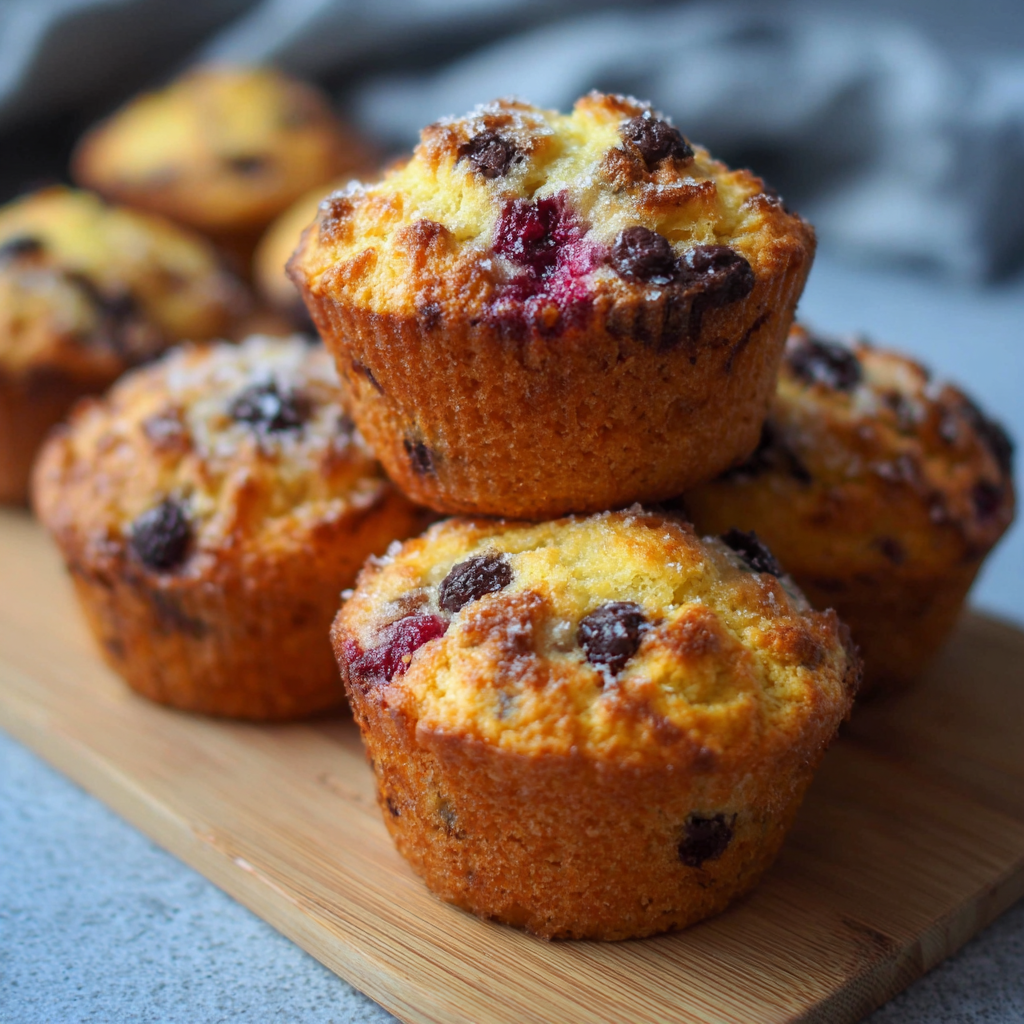
Divide the batter evenly among the 12 prepared muffin cups — each should be approximately three-quarters full. For a polished appearance, sprinkle a small pinch of rolled oats over the top of each muffin before baking. Bake at 350°F (175°C) for 18–20 minutes until a toothpick inserted into the center of the largest muffin comes out clean or with a few moist crumbs, the tops are set and matte rather than shiny, and the muffins spring back gently when pressed at the center.
Step 6: Cool and Serve
Allow the muffins to cool in the tin for 5 minutes before transferring to a wire rack. Do not remove immediately — the oat-based structure needs 5 minutes to set before the muffins are sturdy enough to handle without breaking at the base. Cool for a further 5–10 minutes before serving to children — the interior retains heat significantly longer than the exterior surface suggests.
Nutritional Information
Per serving — based on 1 muffin from a batch of 12, with mini chocolate chips and no protein powder.
| Nutrient | Per Serving | % Daily Value* |
|---|---|---|
| Calories | 165 kcal | 8% |
| Total Fat | 7g | 9% |
| Saturated Fat | 3.5g | 18% |
| Total Carbohydrates | 22g | 8% |
| Total Sugar | 10g | — |
| Protein | 5g | 10% |
| Dietary Fiber | 2g | 7% |
| Sodium | 120mg | 5% |
| Calcium | 6% DV | 6% |
| Iron | 8% DV | 8% |
| Potassium | 7% DV | 7% |
*Based on a standard 2,000-calorie daily diet. Values for children will differ based on age and caloric needs.
At 5 grams of protein per muffin — rising to 9–11 grams with the addition of nut butter or protein powder — these muffins deliver a meaningful protein contribution for a children’s breakfast item. The fiber content of 2 grams per muffin, combined with the complex carbohydrates from oats, supports sustained energy through a school morning significantly better than refined flour-based muffins of equivalent calorie count.
Healthier Alternatives
Nut-free for school: Replace nut butter with sunflower seed butter and use only seeds rather than nuts as mix-ins. Sunflower seed butter has a very similar flavor and protein profile to peanut butter and is appropriate for nut-free school environments.
Dairy-free: Replace Greek yogurt with coconut yogurt or a plain, unsweetened soy yogurt. Both provide comparable binding and moisture with a very small flavor difference that is undetectable in the finished muffin.
Refined sugar-free: The recipe already uses only honey or maple syrup as added sweetener. For a completely refined sugar-free result, rely solely on the natural sweetness of very ripe bananas — reduce the honey to 1 tablespoon and taste the batter before baking. Very ripe bananas with fully blackened peels may make additional sweetener unnecessary.
Higher protein: Add 2 tablespoons of vanilla pea protein powder and 2 tablespoons of hemp seeds simultaneously. This combination pushes the protein content toward 10–12 grams per muffin with a minimal effect on flavor or texture — both ingredients integrate seamlessly into the oat base.
Egg-free: Replace each egg with 1 tablespoon of ground flaxseed mixed with 3 tablespoons of cold water, rested for 5 minutes until gel-like. Two flax eggs provide sufficient binding for this recipe with no detectable flavor difference in the finished muffin.
Serving Suggestions
Grab-and-go school morning: Pack one or two muffins in a small container alongside a piece of fruit and a small bottle of milk or a yogurt pouch. The self-contained, hand-held format requires no utensils, no preparation, and no sitting — a complete breakfast in under 30 seconds of assembly.
With fruit and yogurt: Serve warm alongside a bowl of fresh berries and a dollop of Greek yogurt for a more substantial weekend breakfast that takes under 3 minutes to assemble from frozen muffins.
After-school snack: The muffins work equally well as an after-school protein snack — particularly the nut butter or chocolate chip versions, which provide sufficient sustained energy to bridge the gap between school dismissal and dinner without significantly diminishing appetite.
Toddler-friendly adaptation: For younger children, make mini muffins in a 24-cup mini muffin tin, reducing the baking time to 12–14 minutes. The smaller size is more appropriate for small hands and smaller appetites, and the portion is more manageable for self-feeding.
Birthday breakfast surprise: Stir 2 tablespoons of rainbow sprinkles into the batter and top each muffin with a small swirl of cream cheese frosting after cooling. A birthday morning breakfast that feels celebratory, contains genuine nutrition, and requires no special baking skills.
Common Mistakes to Avoid
Using instant oats instead of rolled oats. Instant oats are more finely processed and produce a denser, gummier muffin with less structural integrity. Rolled oats pulsed briefly in the blender produce the correct texture — slightly coarse, with enough structure to produce a muffin that holds together well when handled.
Under-ripe bananas. An under-ripe banana contains primarily starch rather than sugar and contributes almost no sweetness or binding power to the batter. Use bananas with heavily spotted or fully blackened peels — at peak ripeness for baking — for the correct flavor and structural contribution.
Not squeezing moisture from grated vegetables. Grated carrot and zucchini contain significant water that, if not removed before adding to the batter, makes the muffins too wet and prevents them from baking through properly. Squeeze in a paper towel or clean kitchen cloth until no more liquid runs out.
Removing muffins from the tin immediately. Oat-based muffins are fragile until the internal structure has set during the 5-minute cooling period in the tin. Removing immediately produces muffins that break at the base — the paper liner tears away from the muffin bottom, taking the base with it.
Over-baking. Oat-based muffins continue cooking from residual heat after leaving the oven and dry out quickly if over-baked. Pull them the moment the toothpick comes out with a few moist crumbs rather than waiting for a completely clean result.
Storing Tips
Room temperature: Store in an airtight container for up to 3 days. Place a sheet of paper towel in the container to absorb any excess moisture and maintain the exterior texture.
Refrigerator: Refrigerate in an airtight container for up to 5 days. The texture firms slightly when cold — allow to come to room temperature for 10 minutes or microwave for 20 seconds before serving to children.
Freezer: The most practical storage method for family meal prep. Cool completely, place in a zip-lock freezer bag with parchment between layers, and freeze for up to 3 months. Thaw overnight in the refrigerator or microwave from frozen for 45–60 seconds. The texture after thawing and warming is virtually indistinguishable from freshly baked.
School week prep: Bake a double batch every Sunday — 24 muffins. Keep 6 at room temperature for the first half of the week and freeze the remaining 18. Move 6 from the freezer to the refrigerator on Wednesday night for the second half of the week. This rotation system ensures a freshly-thawed muffin is always available with zero morning effort.
Conclusion
These healthy protein breakfast muffins prove that a nutritious, protein-rich school morning breakfast and a treat that children actually want to eat are not competing objectives. Soft, naturally sweet, hand-held, and freezer-friendly — one Sunday baking session, twelve muffins, and two weeks of effortless weekday mornings handled.
Bake a batch and share your results in the comments — tell us which mix-ins your children loved, whether the hidden vegetables made it past inspection, and how many days the batch lasted. Leave a review, share with another parent who needs a better weekday breakfast solution, and subscribe to our newsletter for more family-friendly, nutrition-first recipes every week.
FAQs
Can I make these muffins gluten-free? Yes — use certified gluten-free rolled oats. Oats are naturally gluten-free but are frequently cross-contaminated during processing. Certified gluten-free oats are processed in dedicated facilities and are appropriate for children with celiac disease or gluten sensitivity. No other substitutions are required.
My child is allergic to eggs — can I still make these? Yes — replace each egg with 1 tablespoon of ground flaxseed mixed with 3 tablespoons of cold water, rested for 5 minutes until gel-like. Two flax eggs provide sufficient binding for this recipe. The muffins will be very slightly denser but remain entirely pleasant in texture and flavor.
How do I hide vegetables so my child won’t notice? Grate the carrot or zucchini on the finest holes of a box grater to produce near-invisible shreds, squeeze out all moisture in a paper towel, and fold in with the chocolate chips or blueberries. The oat, banana, and chocolate flavors completely mask any vegetable flavor, and the texture contribution is indistinguishable from the oat base. This technique has a near-universal success rate with children.
Can I use almond flour instead of blended oats? Yes — replace the blended oats with an equal weight of almond flour (135g). The muffins will be slightly denser, more moist, and lower in carbohydrates with a higher fat content. They are equally delicious and suitable for children with oat sensitivities. Reduce the baking time to 15–17 minutes and check early as almond flour muffins brown faster than oat-based ones.
How much protein do these muffins actually contain? The base recipe provides approximately 5 grams of protein per muffin. Adding 2 tablespoons of peanut or almond butter to the batter increases this to 7–8 grams. Adding both nut butter and 2 tablespoons of hemp seeds pushes toward 10–11 grams per muffin — a meaningful protein contribution for a child’s breakfast item, approaching the 10–15 gram threshold associated with improved satiety and concentration in pediatric nutrition research.
Can I reduce the sugar further for very young children? Yes — for children under 2, omit the honey entirely and rely on the natural sweetness of very ripe bananas alone. The muffins will be lightly sweet rather than noticeably sweet, which is entirely appropriate for very young palates that have not yet developed strong preferences for sweetness. For children between 2 and 5, reducing honey to 1 tablespoon produces a muffin that is sweet enough to be appealing without reinforcing preference for intensely sweet foods.