Follow Me On Social Media!
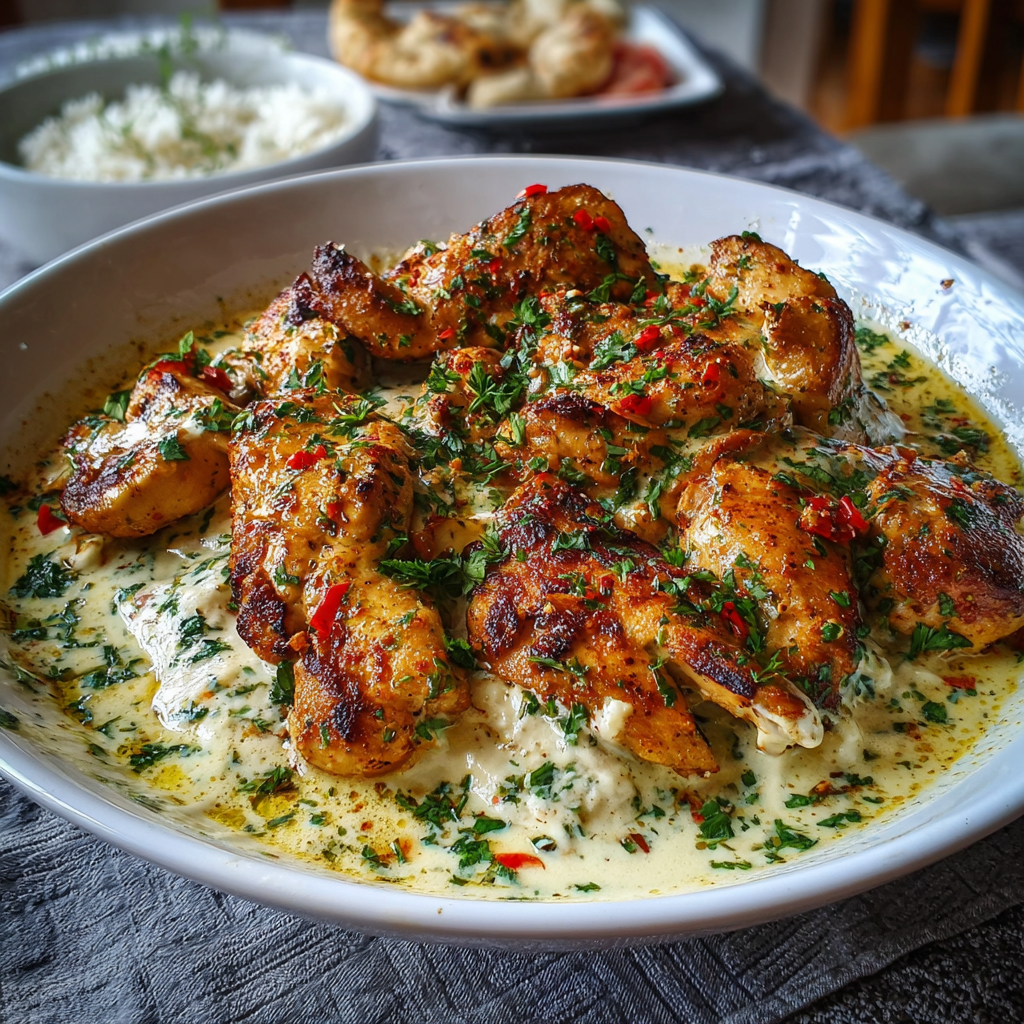
Turkish Chicken in Creamy White Sauce

Introduction
Here is a question worth asking the next time your weeknight dinner inspiration runs dry: when was the last time a chicken dish made you genuinely curious about the cuisine it came from? According to a 2024 global food culture report by Euromonitor International, Turkish cuisine ranks among the top five fastest-growing global food trends — driven by a Western consumer base increasingly drawn to the layered spicing, yogurt-based sauces, and the particular quality of richness that Turkish cooking achieves without relying on heavy cream or complex technique. And yet outside of kebabs and baklava, Turkish home cooking remains almost entirely undiscovered by most home cooks in English-speaking markets.
This Turkish chicken in creamy white sauce — inspired by the classic Turkish preparation known as tavuk beyaz sos — is the recipe that introduces that tradition in the most approachable and immediately rewarding way possible. Tender chicken cooked in a sauce built from yogurt, garlic, warm spices, and a light roux produces a dish that is simultaneously deeply savory, gently fragrant, and rich in a way that feels nourishing rather than heavy. The sauce has a characteristic creaminess that comes not from cream but from the protein-rich emulsification of full-fat yogurt — a technique that Turkish home cooks have refined over centuries and that produces a sauce with a depth and subtlety that dairy cream cannot replicate.
A 2023 nutritional review in the European Journal of Nutrition identified yogurt-based cooking sauces as significantly lower in saturated fat and higher in beneficial probiotics than cream-based equivalents, while producing comparable richness through a different emulsification mechanism. This dish delivers that finding deliciously.
Ingredients List
For the Chicken
- 700g (1.5 lbs) boneless, skinless chicken thighs or breasts, cut into large pieces
- 1 tsp fine sea salt
- ½ tsp white pepper
- 1 tsp smoked paprika
- ½ tsp ground cumin
- 1 tbsp olive oil
For the White Sauce
- 2 tbsp unsalted butter
- 1 medium onion, finely diced
- 4 garlic cloves, minced
- 2 tbsp all-purpose flour
- 1½ cups (360ml) warm chicken stock
- 1 cup (240ml) full-fat plain yogurt, room temperature (Greek or Turkish-style — do not use low-fat)
- ½ tsp ground white pepper
- ½ tsp dried oregano
- ¼ tsp ground nutmeg (a distinctly Turkish touch — small quantity, significant impact)
- ¼ tsp ground allspice
- Salt to taste
For the Finishing Touches
- 2 tbsp unsalted butter
- 1 tsp smoked paprika
- ½ tsp dried mint (a signature Turkish flavor note)
- 2 tbsp fresh flat-leaf parsley, chopped
For Serving
- Steamed white rice or Turkish pilaf
- Warm flatbread or pide
- Extra fresh parsley and a pinch of paprika, to finish
Timing
- Prep Time: 12 minutes
- Cook Time: 25 minutes
- Total Time: 35–40 minutes
Everything in this dish runs in sequence in a single pan — sear the chicken, build the sauce in the same pan, reunite everything, and finish with the spiced butter. The result is one pan to wash and a dinner that tastes as though it required considerably more equipment and effort.
Step-by-Step Instructions
Step 1: Season and Sear the Chicken
Season the chicken pieces generously on all sides with salt, white pepper, smoked paprika, and cumin. Heat the olive oil in a large skillet or sauté pan over medium-high heat until shimmering. Add the chicken in a single layer — do not crowd — and sear undisturbed for 3–4 minutes until a golden crust forms. Flip and cook for another 2–3 minutes. The chicken does not need to be cooked through at this stage. Remove to a plate and set aside.
Step 2: Build the Sauce Base
Reduce the heat to medium and add the butter to the same pan. Add the diced onion and cook for 4–5 minutes until softened and beginning to turn golden at the edges. Add the minced garlic and cook for 30 seconds until fragrant. Add the flour and whisk continuously for 1–2 minutes — cooking out the raw flour taste completely. Gradually stream in the warm chicken stock, whisking constantly to prevent lumps, until a smooth, lightly thickened sauce forms.
Key tip: Warm stock integrates into the roux far more smoothly than cold. Heat it briefly in the microwave before adding to eliminate lumps before they form.
Step 3: Add the Yogurt
This is the most technically sensitive step. Remove the pan from the heat entirely and allow the sauce to cool for 2 minutes — it should be hot but not bubbling. Add the room-temperature yogurt in three additions, whisking gently and thoroughly after each, until completely incorporated. Add the white pepper, oregano, nutmeg, and allspice. Return the pan to the lowest possible heat setting and stir gently — do not allow the sauce to boil at any point after the yogurt has been added.
Key tip: Yogurt curdles when added to boiling liquid or cold liquid — the temperature must be hot enough to maintain the sauce’s warmth but below simmering. Room-temperature yogurt added off the heat in gradual additions is the technique that prevents curdling every time.
Step 4: Return the Chicken and Simmer
Nestle the seared chicken pieces back into the yogurt sauce along with any accumulated juices. Ensure every piece is submerged or well-coated. Cook over low heat, uncovered, for 12–15 minutes until the chicken is completely cooked through and the sauce has thickened to a creamy, coating consistency. Stir gently every few minutes and do not increase the heat — patience at this stage produces a smooth, stable sauce rather than a curdled, broken one.
Step 5: Make the Spiced Butter Finish
In a small saucepan or butter warmer, melt 2 tablespoons of butter over medium heat. Add the smoked paprika and dried mint and cook for 30 seconds — just long enough to bloom the spices in the fat without burning them. The butter will turn a vivid, fragrant orange-red. This finishing step is distinctly Turkish and transforms the visual and aromatic quality of the dish dramatically — do not skip it.
Step 6: Plate and Serve
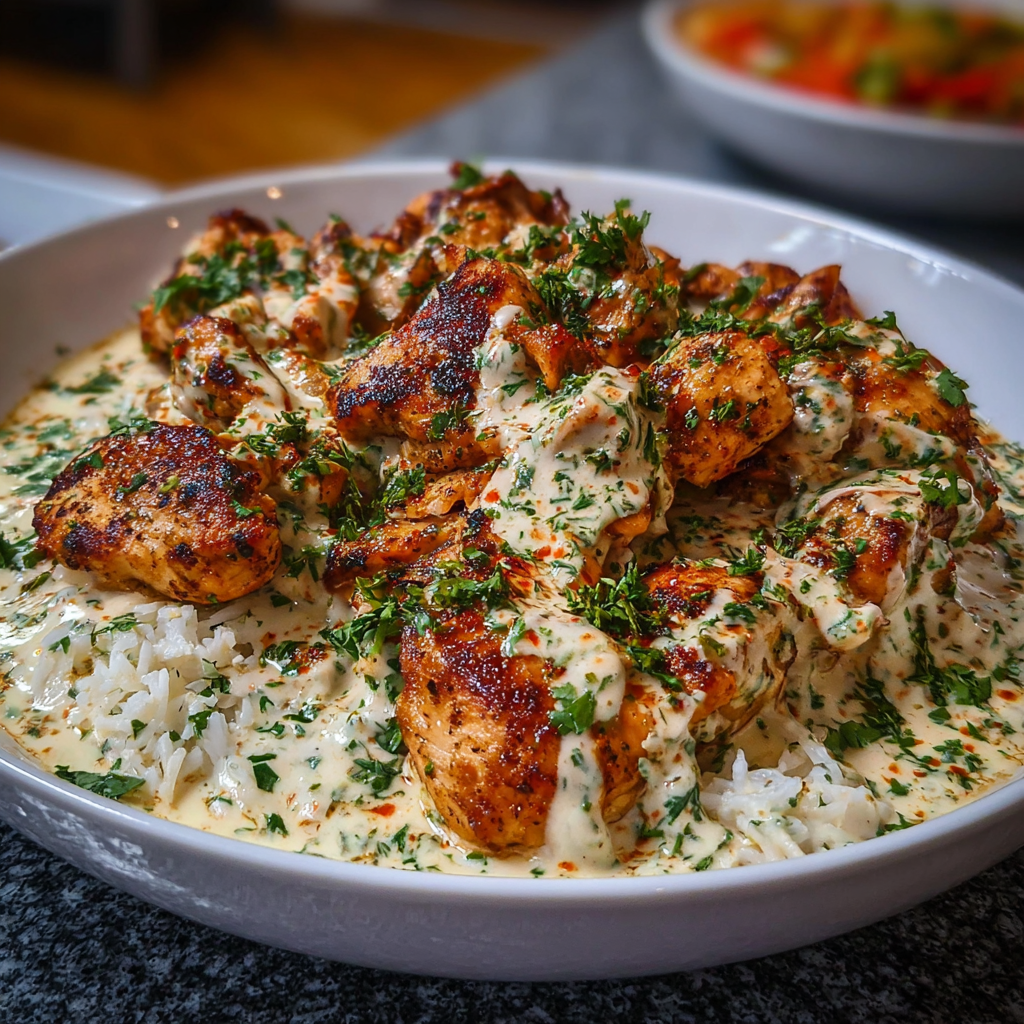
Ladle the chicken and sauce generously over steamed rice or alongside warm flatbread. Drizzle the spiced butter over the top in a thin, even stream — the orange-red butter against the white sauce is the visual signature of this dish. Scatter fresh parsley over the top and finish with a pinch of smoked paprika. Serve immediately.
Nutritional Information
Per serving — based on 4 servings without rice or bread.
| Nutrient | Per Serving | % Daily Value* |
|---|---|---|
| Calories | 420 kcal | 21% |
| Total Fat | 22g | 28% |
| Saturated Fat | 9g | 45% |
| Total Carbohydrates | 12g | 4% |
| Total Sugar | 4g | — |
| Protein | 44g | 88% |
| Dietary Fiber | 1g | 4% |
| Sodium | 640mg | 28% |
| Potassium | 760mg | 16% |
| Vitamin B6 | 42% DV | 42% |
| Calcium | 14% DV | 14% |
| Iron | 14% DV | 14% |
*Based on a standard 2,000-calorie daily diet.
At 44 grams of protein per serving with a yogurt-based sauce that contributes meaningful calcium and beneficial bacterial cultures, this dish delivers a nutritional profile that genuinely outperforms most cream-sauce chicken preparations in every measurable category while producing a comparable richness of eating experience.
Healthier Alternatives
Lower fat: Replace the butter in the sauce with olive oil throughout and use 0% fat Greek yogurt in place of full-fat. Add 1 extra tablespoon of flour to compensate for the reduced fat content, which contributes to sauce stability. The result is lighter in calories with a comparable flavor profile.
Higher protein: Use boneless chicken breast exclusively and increase the yogurt to 1½ cups — this pushes the protein content above 50 grams per serving while keeping the sauce rich and cohesive.
Dairy-free: Replace butter with olive oil and substitute the yogurt with full-fat coconut yogurt — the flavor shifts slightly toward tropical but the sauce remains stable and creamy. Use a plant-based butter for the finishing step.
Lower carbohydrate: Omit the flour from the roux and use 1 tablespoon of cornstarch dissolved in 2 tablespoons of cold stock added directly to the sauce in Step 2. Serve over cauliflower rice or with roasted vegetables rather than white rice.
Anti-inflammatory boost: Add ½ teaspoon of ground turmeric and ¼ teaspoon of freshly ground black pepper to the sauce alongside the other spices. Both compounds — curcumin and piperine — are among the most studied anti-inflammatory dietary ingredients and integrate naturally into the existing warm spice profile.
Serving Suggestions
Over Turkish pilaf: Cook white rice with a tablespoon of butter, a pinch of allspice, and a small handful of vermicelli noodles toasted until golden before the rice is added. This simple pilaf elevates the side dish from background to complementary partner.
With warm flatbread: Serve the chicken and sauce in a wide, shallow bowl with warm pide, lavash, or any good flatbread alongside. The sauce is too good to leave in the bowl — bread is the correct tool for ensuring none of it is wasted.
Baked pasta format: Toss cooked penne with the finished chicken and sauce, transfer to a baking dish, top with shredded mozzarella and a drizzle of the spiced butter, and bake at 400°F (200°C) for 15 minutes until bubbling and golden. This transforms the recipe into a baked pasta that serves 6 with no additional effort.
Cold the next day: The chilled sauce firms around the chicken and the flavors deepen significantly overnight. Serve cold on a bed of arugula dressed with lemon and olive oil for a lunch that requires no reheating and tastes better than the original dinner.
As a rice bowl: Serve over plain white rice with sliced cucumber, diced tomato, and a drizzle of hot sauce alongside the spiced butter. This casual bowl format works perfectly for weekday lunches and meal prep containers.
Common Mistakes to Avoid
Adding yogurt to boiling sauce. The protein structure in yogurt denatures at high temperatures and causes immediate, irreversible curdling — producing a grainy, separated sauce that cannot be rescued. Remove the pan from heat, cool for 2 minutes, and add the yogurt off the heat in gradual additions.
Using low-fat yogurt. Low-fat yogurt has insufficient fat content to emulsify stably into a hot sauce and curdles far more readily than full-fat. Full-fat Greek or Turkish-style yogurt only — the fat is the structural component of the sauce’s stability.
Not cooking out the flour. Raw flour produces a starchy, chalky flavor in the finished sauce that persists through the yogurt addition and the final simmer. Whisk the roux for a full 1–2 minutes until it smells slightly nutty and the raw flour aroma disappears.
Skipping the spiced butter finish. The paprika-mint butter is not a garnish — it is a flavor component that adds a warm, fragrant top note to the dish that the white sauce itself cannot provide. The contrast between the creamy white sauce and the vivid spiced butter is both the visual and flavor signature of this preparation.
Cooking on too high a heat after adding yogurt. The entire final simmer must happen over the lowest heat the stove can produce. Any approach to a simmer risks curdling the yogurt and breaking the sauce. Low heat, patience, and gentle stirring produce a stable, silky result.
Storing Tips
Refrigerator: Store in an airtight container for up to 3 days. The sauce will thicken considerably during refrigeration — add a splash of warm stock or water when reheating and stir gently over low heat to restore the original consistency.
Reheating: Reheat over the lowest possible heat, stirring frequently. The same yogurt-curdling risk that applies during cooking applies during reheating — avoid any boiling. The microwave works at 50% power in 60-second intervals with stirring between each.
Freezer: Yogurt-based sauces do not freeze well — the emulsion breaks during freezing and produces a grainy, separated sauce upon thawing that cannot be fully restored. Make fresh or refrigerate only.
Make-ahead: The chicken can be seared up to 24 hours ahead and refrigerated. The sauce is best made fresh on the day of serving — it takes only 15 minutes once the chicken is already prepared.
Conclusion
Turkish chicken in creamy white sauce proves that the most satisfying weeknight dinners are sometimes the ones that introduce a new culinary tradition through a format that feels immediately and completely familiar. Tender seared chicken, a yogurt-based sauce fragrant with warm spices, and a finish of vivid paprika-mint butter — all from a single pan in under 40 minutes, and all delivering a depth of flavor that makes it impossible to believe this is a weeknight dinner rather than a restaurant plate.
Make it this week and share your results in the comments — tell us whether you used thighs or breasts, which side you served it with, and whether it opened a door to more Turkish cooking. Leave a review, share with someone who needs a new chicken recipe, and subscribe to our newsletter for more globally inspired, weeknight-friendly recipes every week.
FAQs
What type of yogurt works best? Full-fat Greek yogurt is the most widely available option and produces an excellent result. Turkish-style yogurt — slightly thinner and more tangy than Greek — is the most authentic choice and is available at Middle Eastern grocery stores. In both cases, full-fat is mandatory — low-fat varieties lack the fat content required for stable emulsification into a hot sauce.
Why did my sauce curdle? Curdling is caused by adding yogurt to sauce that is too hot, adding cold yogurt to hot sauce too quickly, or allowing the sauce to boil after the yogurt has been incorporated. All three are preventable — cool the sauce off the heat for 2 minutes before adding, use room-temperature yogurt, add in gradual additions, and maintain the absolute lowest heat setting throughout the final simmer.
Can I use chicken breast instead of thighs? Yes — use boneless, skinless breasts cut into large pieces and reduce the final simmering time to 10 minutes to prevent dryness. Breast meat is less forgiving than thighs at prolonged low heat — check for doneness at 165°F (74°C) internal temperature and remove from the sauce immediately.
What can I substitute for dried mint? Fresh mint — 1 tablespoon finely chopped — works well in the spiced butter finish. Dried oregano is the closest flavor substitute if mint is unavailable, though it produces a more Mediterranean than specifically Turkish character. The mint is a distinctive flavor note worth seeking out for the most authentic result.
Is this recipe suitable for meal prep? Yes, with the understanding that the sauce should be reheated gently and with added liquid. Portion into airtight containers with rice or without, refrigerate for up to 3 days, and reheat at low power in the microwave or over the lowest stove heat with a splash of water or stock. The flavor improves overnight as the spices meld into the sauce more fully.
Can I make this dish spicier? Yes — add ½ teaspoon of red pepper flakes or Aleppo pepper to the sauce alongside the other spices, or increase the smoked paprika to 1½ teaspoons. Aleppo pepper is particularly authentic to Turkish cooking — it has a fruity, moderately hot character that integrates naturally into the warm spice profile of the sauce without overwhelming the yogurt’s delicacy.