
Follow Me On Social Media!
Mango Sago

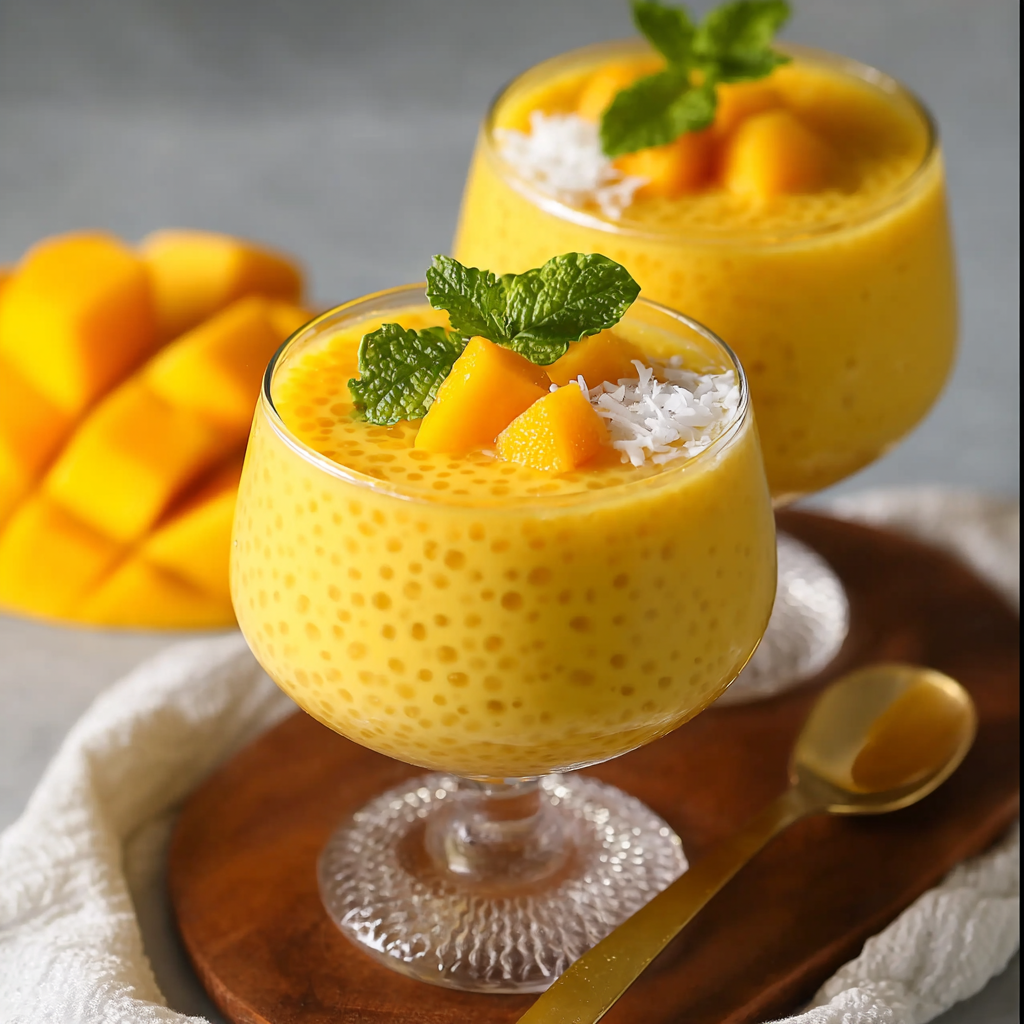
Introduction
Here is a question that challenges the assumption that the most elegant desserts require the most elaborate preparation: when was the last time a cold, creamy, tropical dessert — something so visually beautiful that it photographs like a restaurant dish and tastes like it was made with considerably more effort than it actually was — came together in under 30 minutes from ingredients available at any Asian grocery store or well-stocked supermarket?
Mango sago is the Hong Kong-style dessert soup that has become one of the most beloved cold desserts across Southeast Asia, beloved in restaurants from Hong Kong dim sum houses to Singaporean dessert cafes to Filipino merienda tables — a combination of ripe, intensely sweet mango purée, full-fat coconut milk, small tapioca pearls cooked to translucent tenderness, and chunks of fresh mango that makes the most of the tropical fruit at its most flavorful. According to a 2024 global dessert trend report by the Specialty Food Association, Southeast Asian-style cold desserts represent the single fastest-growing dessert category in Western food culture — driven by the combination of tropical flavors, visually stunning presentations, and a refreshing lightness that distinguishes them from cream-heavy Western dessert traditions.
The combination is deliberately built on three textural registers that interact perfectly — the smooth, flowing mango-coconut purée that provides the sweet, aromatic base; the soft, yielding tapioca pearls that contribute their distinctive gentle resistance to each spoonful; and the fresh mango pieces that provide the juicy, fibrous contrast of the actual fruit. Together they produce a dessert that is simultaneously refreshing and indulgent, simple and complex — the kind of food that makes people who have never encountered it before ask why they have been missing it their entire lives.
A 2023 nutritional review in the Asia Pacific Journal of Clinical Nutrition identified Alphonso and Ataulfo mango varieties — the varieties that produce the most vibrant mango sago — as containing among the highest concentrations of beta-carotene, Vitamin C, and Vitamin B6 of any commonly available tropical fruit, making this dessert one of the most micronutrient-rich sweet preparations available in any cuisine.
Ingredients List
For the Mango Purée Base
- 3 large ripe mangoes (approximately 800g total — Alphonso or Ataulfo for the most vibrant color and sweetest flavor)
- 1 can (400ml) full-fat coconut milk (shake well before opening — the fat content prevents iciness and adds richness)
- 3–4 tbsp sugar or honey (adjust depending on the natural sweetness of the mangoes)
- 1 tbsp fresh lime juice (brightens and amplifies the mango flavor)
- ½ tsp fine sea salt (amplifies the sweetness significantly)
For the Sago
- ½ cup (80g) small sago pearls or small tapioca pearls (2–3mm diameter — not large bubble tea pearls)
- Large pot of water (for cooking)
- 1 tsp sugar (optional — added to the cooking water for subtle sweetness)
For the Garnish and Topping
- 1–2 additional ripe mangoes, diced into small cubes (the most important garnish — fresh mango pieces are essential, not optional)
- ¼ cup (60ml) additional coconut milk or coconut cream (drizzled over the top for richness)
- Fresh mint sprigs
- Pomelo segments or grapefruit segments (traditional Hong Kong addition — the bitter citrus against the sweet mango is extraordinary)
- Edible flowers (optional — visual impact)
Timing
- Sago Cooking Time: 15–20 minutes
- Purée Preparation: 10 minutes
- Chilling Time: 20 minutes (minimum — 1 hour is better)
- Total Time: 30 minutes active, 50 minutes with minimal chilling
Step-by-Step Instructions
Step 1: Cook the Sago
Bring a large pot of water to a rolling boil — at least 1.5 liters for ½ cup of sago pearls, as the pearls require significant water volume to cook evenly without sticking together. Add the sago pearls to the boiling water and stir immediately and continuously for the first 2 minutes to prevent clumping. Reduce to a vigorous simmer and cook for 12–15 minutes, stirring every 2–3 minutes, until the pearls are almost entirely translucent with only a small white dot remaining at the center of each pearl. Remove from the heat, cover with a lid, and allow to steam for 3–5 minutes until the remaining white centers disappear completely — the finished pearls should be completely translucent, soft, and yielding with a very slight resistance.
Drain through a fine mesh sieve and rinse thoroughly under cold running water — stirring gently with a spoon while rinsing to separate any pearls that have clumped together. The cold rinse stops the cooking process and removes the surface starch that causes pearls to stick. Transfer to a bowl of cold water and set aside — storing cooked sago in water prevents it from drying out and clumping before use.
Key tip: The two most common sago failures are under-cooking — white centers remaining after the steam period — and over-cooking, which produces pearls that dissolve into a starchy paste. The steam period off the heat after the initial cooking is the technique that completes the center of each pearl gently without over-softening the exterior.
Step 2: Make the Mango Purée
Peel two of the three mangoes and cut the flesh from the pit. Place in a blender with the full-fat coconut milk, sugar or honey, lime juice, and salt. Blend on high speed for 60–90 seconds until completely smooth — the purée should be fluid, vibrantly colored, and entirely free of fibrous pieces. Taste and adjust — more sugar if the mangoes are under-ripe, more lime juice for brightness, more salt to amplify the mango sweetness.
If the purée seems too thick — it should be fluid enough to pour rather than scoop — add 2–3 tablespoons of additional coconut milk and blend briefly. If it is too thin — which rarely happens with Alphonso or Ataulfo mangoes — add additional mango flesh and blend.
Key tip: The ratio of mango to coconut milk is the variable that most dramatically affects the flavor of the finished dessert. A mango-forward ratio — more mango than coconut milk — produces a vibrant, intensely fruity dessert. A coconut-forward ratio produces a creamier, richer result. The recipe as written strikes the most widely appealing balance, but adjusting in either direction is entirely valid.
Step 3: Dice the Fresh Mango for Garnish
Peel the remaining mango and dice into cubes approximately 1–1.5cm — small enough to fit elegantly in a spoon alongside the pearls but large enough to provide a distinct, juicy mango presence in each bite. Refrigerate until needed.
Step 4: Combine and Chill
Drain the cooked sago pearls from their cold water bath and add to the mango purée. Stir gently to distribute the pearls evenly throughout the purée without breaking them. Transfer to a covered container or individual serving glasses and refrigerate for a minimum of 20 minutes — 1 hour produces a more cohesive, better-integrated dessert where the sago pearls have absorbed some of the surrounding mango flavor and the coconut richness has fully distributed through the purée.
Step 5: Serve
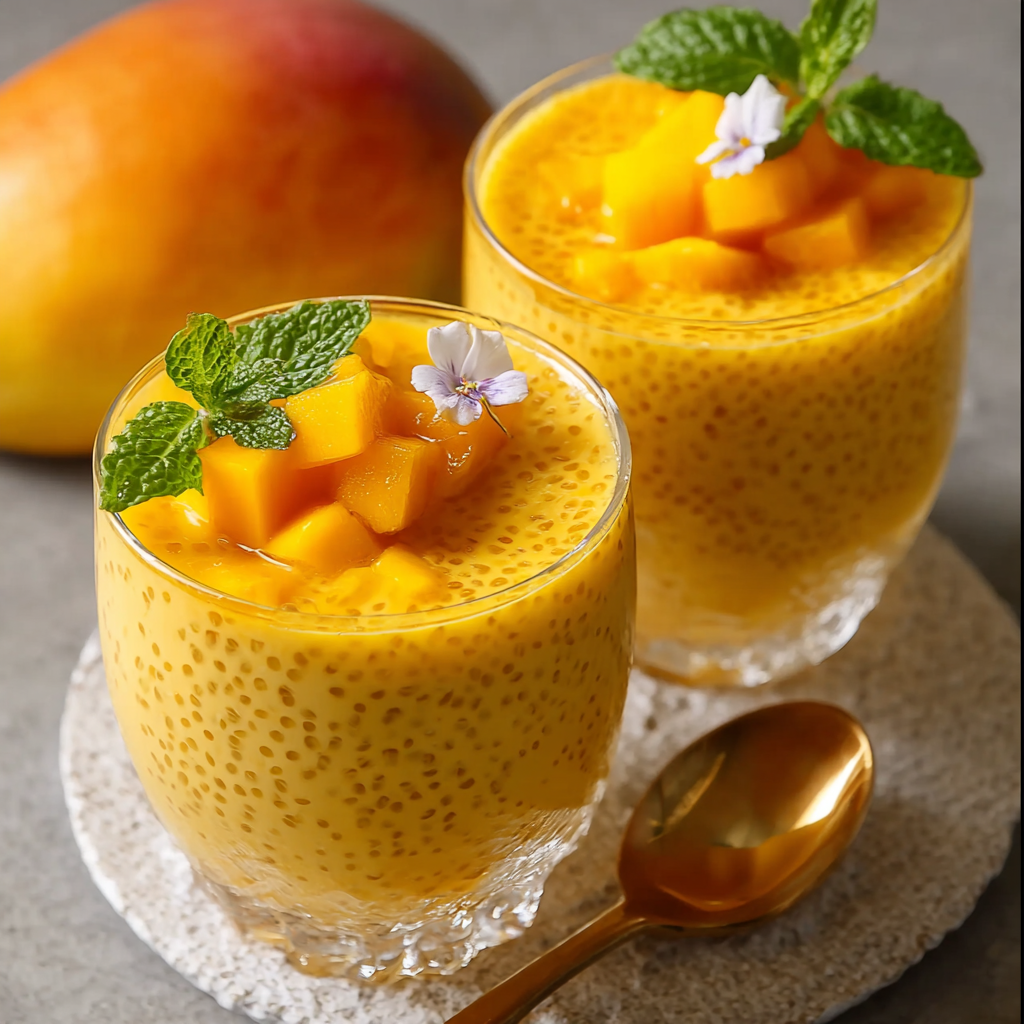
Divide the chilled mango sago between individual serving glasses or bowls. Top generously with the fresh diced mango — the contrast between the smooth purée and the fresh fruit chunks is the defining characteristic of the dessert. Add pomelo or grapefruit segments if using. Drizzle a small amount of additional coconut milk or coconut cream over the top of each serving. Garnish with fresh mint and edible flowers if using. Serve immediately from the refrigerator while cold.
Nutritional Information
Per serving — based on 4 servings.
| Nutrient | Per Serving | % Daily Value* |
|---|---|---|
| Calories | 320 kcal | 16% |
| Total Fat | 12g | 15% |
| Saturated Fat | 10g | 50% |
| Total Carbohydrates | 54g | 20% |
| Total Sugar | 36g | — |
| Protein | 3g | 6% |
| Dietary Fiber | 3g | 11% |
| Sodium | 85mg | 4% |
| Vitamin C | 65% DV | 65% |
| Vitamin A | 30% DV | 30% |
| Folate | 15% DV | 15% |
*Based on a standard 2,000-calorie daily diet.
The Vitamin C content at 65% of the daily recommended value per serving — from the mango — makes this one of the most significant single-serving Vitamin C sources available from a dessert preparation of any kind. The Vitamin A at 30% of the daily value reflects the high beta-carotene content of the orange mango flesh.
Healthier Alternatives
Lower sugar: Use very ripe, naturally sweet Alphonso or Ataulfo mangoes and omit the added sugar entirely — the fruit’s natural sweetness is often sufficient without any addition. Taste the purée after blending and add the minimum sugar required.
Lower fat: Replace the full-fat coconut milk with light coconut milk — the dessert will be slightly less rich and may have a marginally icier texture after refrigeration, but remains entirely pleasant and substantially lower in saturated fat.
Higher protein: Stir 2 tablespoons of plain Greek yogurt or coconut yogurt into each serving at the time of eating — the yogurt adds protein and a pleasant tangy contrast to the sweet mango without disrupting the visual presentation.
Vegan and gluten-free: The base recipe is naturally both — all ingredients are plant-based and inherently gluten-free. Verify only that the sago or tapioca pearls used are certified gluten-free if cooking for someone with celiac disease.
Lower calorie: Reduce the coconut milk by half and replace with an equal amount of mango juice or coconut water — the dessert becomes lighter and more refreshing while retaining its characteristic tropical flavor.
Serving Suggestions
Classic dessert glasses: Serve in tall, clear glasses that show the layers of mango purée, translucent sago pearls, and fresh mango cubes from the exterior. This transparent presentation is the format that most clearly communicates the beauty of the dessert and the contrast between its components.
In a large sharing bowl: Pour the mango sago into a large, attractive bowl, arrange the fresh mango cubes and pomelo segments artfully on the surface, drizzle with coconut cream, and bring to the table as a communal dessert that guests serve themselves. This format works particularly well for family dinners and informal gatherings.
As a chilled dessert shooter: Serve in small shot glasses with a single mango cube on top as a pre-dessert or palate cleanser between courses — 2–3 tablespoons of the mango sago in each shooter produces a refreshing, visually charming one-bite dessert that communicates the complete flavor of the dish in miniature.
With additional toppings: Add a tablespoon of sweetened red bean paste — a traditional Chinese dessert accompaniment — alongside the mango and pomelo for the most authentic Hong Kong-style version. The earthy sweetness of the red bean against the bright tropical mango is one of the defining flavor contrasts in Cantonese dessert cuisine.
As a frozen treat: Pour the mango sago into popsicle molds and freeze for 4 hours for mango sago popsicles — the sago pearls freeze within the mango layer and produce a textured, visually unusual popsicle that is one of the most distinctive frozen treats available from this recipe.
Common Mistakes to Avoid
Under-cooking the sago. Sago with remaining white centers is unpleasantly chalky and dense rather than the soft, translucent, yielding texture the recipe requires. The steam period after the initial cooking — covered, off the heat — is the technique that gently finishes the centers without over-softening the exterior. Do not skip it.
Not rinsing the sago after cooking. Unrinsed sago clumps together into a single gelatinous mass within minutes of being drained — the surface starch that causes clumping must be removed immediately with a thorough cold water rinse and the pearls stored in cold water until use.
Using under-ripe or out-of-season mangoes. The mango purée is the dominant flavor of the entire dessert — an under-ripe, fibrous, acidic mango produces a dessert that cannot be rescued by any amount of sugar or coconut milk. Alphonso and Ataulfo mangoes at their peak ripeness — yielding gently to pressure and deeply fragrant — are the only acceptable base for a dessert this dependent on a single fruit’s quality.
Skipping the salt. A pinch of salt in the mango purée seems counterintuitive in a dessert but amplifies the mango’s sweetness and the coconut milk’s richness dramatically — the finished dessert without salt tastes noticeably flatter than the salted version. It is a technique from candy and pastry making applied to a fruit dessert with equivalent effect.
Serving at room temperature. Mango sago is a cold dessert — its characteristic refreshing quality, its textural cohesion, and the full expression of its coconut and mango flavors all depend on serving temperature. Room temperature mango sago is pleasant; properly chilled mango sago is extraordinary.
Storing Tips
Refrigerator: Store in an airtight container for up to 3 days. The sago pearls continue to absorb the surrounding mango purée over time, becoming softer and more flavorful — the day-two version is arguably better than the day-one for the integration of flavors. Stir before serving as the coconut fat may separate slightly during refrigeration.
Adding fresh mango: Store the fresh mango garnish separately from the mango sago base if preparing ahead — dice and add fresh mango only at the moment of serving to preserve its texture and prevent it from releasing juice into the surrounding purée.
Sago stored separately: Cooked sago pearls stored in a bowl of cold water in the refrigerator remain in good condition for up to 2 days — this approach allows the purée and pearls to be combined at the moment of service for maximum freshness.
Freezer: Not recommended for the complete assembled dessert — the sago pearls become hard and unpleasant after freezing and thawing. The mango purée component alone freezes well for up to 1 month — thaw overnight in the refrigerator and combine with freshly cooked sago and fresh mango when serving.
Conclusion
Mango sago proves that the most refreshing, most visually beautiful dessert in any summer repertoire is not the most technically demanding one — it is the one that understood the extraordinary quality of a single ripe tropical fruit and built everything around it. Smooth mango purée, coconut milk richness, translucent sago pearls, and the juicy burst of fresh mango in every spoonful — a dessert that takes 30 minutes, requires no baking, and produces the kind of satisfaction that makes people immediately ask when it will be made again.
Make it and share your results in the comments — tell us which mango variety you used, whether you added the pomelo, and whether it converted anyone at your table to Southeast Asian desserts. Leave a review, share with someone who loves mango or tropical flavors, and subscribe to our newsletter for more globally inspired, fruit-forward, minimal-effort dessert recipes every week.
FAQs
What is the difference between sago and tapioca? Sago is derived from the pith of the sago palm, while tapioca is derived from the cassava root — but both are processed into very similar starchy pearls that cook and behave nearly identically in dessert preparations. Small tapioca pearls — 2–3mm diameter — are the most widely available substitute for sago pearls in Western supermarkets and produce a virtually indistinguishable result in mango sago. Large bubble tea tapioca pearls — 8–10mm diameter — are too large for this preparation and produce a very different textural experience.
Which mango variety produces the best mango sago? Alphonso mangoes — available from India, typically April through June — produce the most intensely aromatic, sweetest, and most vibrantly colored purée of any commercially available variety. Ataulfo (Honey) mangoes are the most widely available Western alternative with comparable sweetness and a fiber-free flesh that blends completely smooth. Tommy Atkins — the most common supermarket variety — requires significantly more sugar to achieve comparable sweetness and produces a less vibrant, less aromatic purée. Use the sweetest, most ripe mangoes available at any given time.
Can I make mango sago without coconut milk? Yes — replace with an equal amount of full-fat evaporated milk for a dairy-based version that is slightly less tropical in character but equally rich and creamy. Oat milk or almond milk produces a lighter, less creamy version that is suitable for those avoiding coconut. The coconut milk is the most flavor-complementary base and is strongly recommended when available.
Why are my sago pearls clumping together? Clumping is caused by insufficient rinsing after cooking — the surface starch on freshly cooked sago pearls is extremely adhesive and causes them to fuse within minutes. Rinse thoroughly under cold running water immediately after draining, stirring gently to separate each pearl, and transfer to a bowl of cold water until needed. Pearls that have already clumped can sometimes be separated by submerging in cold water and gently working them apart with your fingers.
Can I serve mango sago warm? Traditionally, mango sago is served cold — the cooling quality of the dessert is central to its identity and appeal in the hot climate cuisines from which it originates. Warm mango sago loses its refreshing character and the coconut milk’s fat can separate in a less appealing way. Some Chinese dessert preparations serve warm taro sago or red bean sago, but mango sago is specifically a cold dessert and should be served accordingly.
Is this dessert suitable for children? It is one of the most reliably popular desserts for children of all ages — the naturally sweet, tropical flavor, the visually appealing color, and the fun textural element of the sago pearls all make it particularly appealing to children. The small size of the sago pearls is safe for children who have moved beyond pureed foods. For very young children, ensure the sago pearls are fully cooked to complete softness — fully translucent with no white centers — to eliminate any choking concern from under-cooked, firm pearls.