Follow Me On Social Media!
Here is the warm apple cider mocktail blog post following the established template:

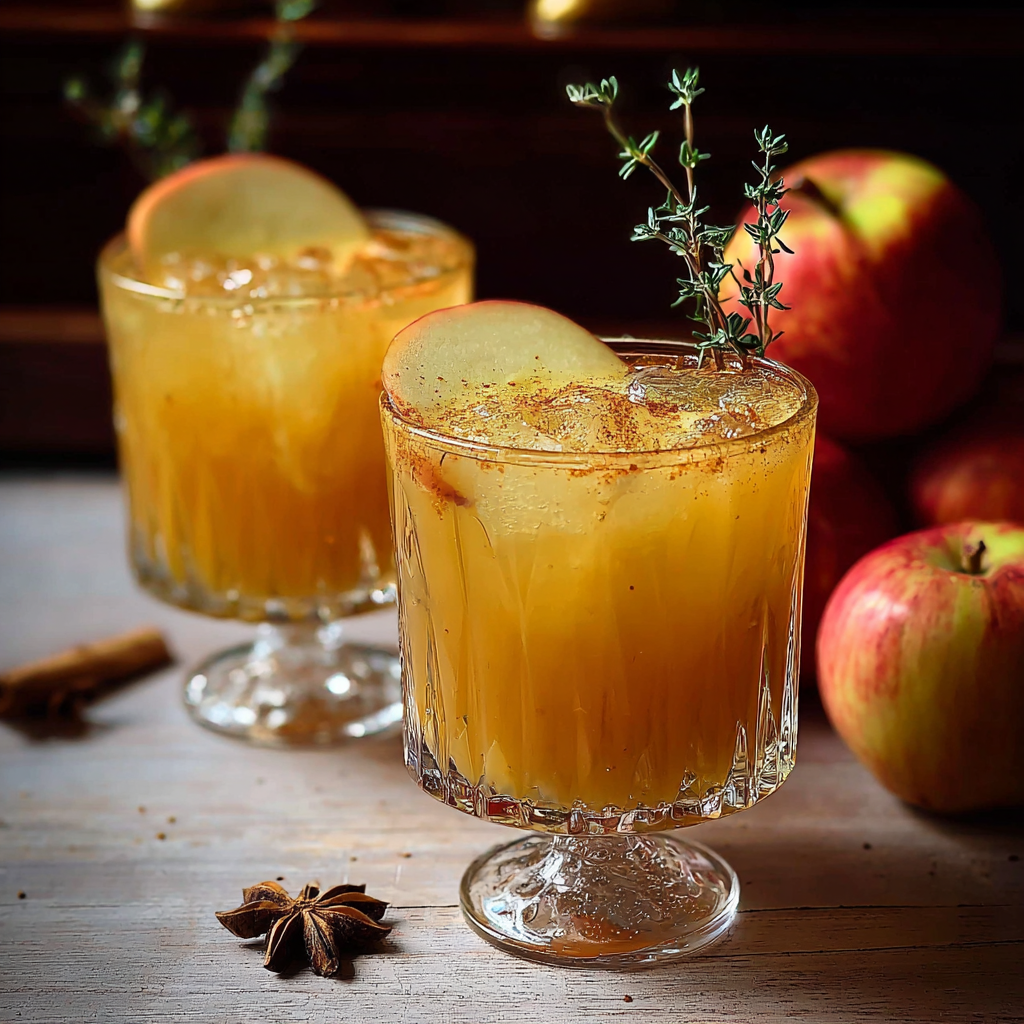
Warm Apple Cider Mocktail
Introduction
Here is a question worth asking the moment the temperature drops and the first genuinely cold evening of the season arrives: what if the most warming, most aromatic, most genuinely celebratory non-alcoholic drink you could offer at any autumn or winter gathering required nothing more than apple cider, a handful of whole spices, an orange, and 15 minutes on the stove — and produced something so deeply fragrant and so visually beautiful in a glass that no one at the table missed the alcohol?
According to a 2024 consumer beverage trend report by the Specialty Food Association, non-alcoholic and low-alcohol beverages represent the single fastest-growing category in the drinks market globally — driven not by sobriety trends alone but by a broader recognition that a genuinely well-made mocktail offers a sensory experience that is as sophisticated, as occasion-appropriate, and as celebration-worthy as any alcoholic alternative. Warm apple cider, specifically, has become the defining seasonal mocktail of the autumn and winter entertaining calendar — its combination of fermented apple sweetness, warming spice, and citrus brightness producing an aromatic complexity that no other non-alcoholic hot drink can match.
This warm apple cider mocktail is built on the technique that separates exceptional mulled cider from merely warm apple juice: whole spices bloomed briefly in a dry pan before being added to the cider, releasing the volatile aromatic compounds that produce the deep, complex warmth of a properly mulled drink. Cinnamon sticks, whole cloves, star anise, cardamom, and fresh ginger simmered together with fresh orange peel and a generous squeeze of citrus produce a cider that smells like autumn distilled into a single vessel — the kind of drink that makes any gathering feel like an occasion.
A 2023 nutritional review in the Journal of Agricultural and Food Chemistry identified the combination of apple polyphenols — concentrated in fresh-pressed cider — with the cinnamaldehyde in cinnamon and the eugenol in cloves as producing one of the highest single-serving antioxidant combinations available from any commonly consumed warm beverage, with documented associations with reduced inflammatory markers and improved insulin sensitivity from regular consumption.
Ingredients List
For the Spiced Cider Base (Serves 4–6)
- 1 liter (4 cups) fresh-pressed apple cider (unfiltered, cloudy — not apple juice, which lacks the complexity and depth of real cider)
- 1 cup (240ml) fresh orange juice (approximately 2 oranges — adds brightness and citrus depth)
- 2 cinnamon sticks
- 6 whole cloves
- 3 star anise
- 4 cardamom pods, lightly crushed (cracking open the pods releases the seeds and dramatically increases the aromatic contribution)
- 1 tsp whole black peppercorns (optional — adds a subtle, warming background heat)
- 3cm (1-inch) piece of fresh ginger, thinly sliced (sub: ½ tsp ground ginger)
- Peel of 1 orange, removed in wide strips with a vegetable peeler (avoiding the white pith, which is bitter)
- 2 tbsp raw honey or maple syrup (adjust to taste — good cider may need very little)
- 1 tsp pure vanilla extract (added off the heat — preserves the aromatic character)
For the Garnish (The Element That Makes It Feel Like a Cocktail)
- Orange slices or wheels
- Cinnamon sticks (one per glass)
- Star anise (floated on the surface)
- Fresh rosemary sprigs (the pine-adjacent fragrance against the apple and spice is remarkable)
- Apple slices, very thinly cut (floated on the surface — visually stunning)
- Cranberries (scattered on the surface for color)
Optional Upgrades
- 2 tbsp pomegranate juice (deepens the color from golden to a warm amber-rose)
- 1 tbsp lemon juice (adds acidity that brightens all other flavors)
- 1 cup (240ml) cranberry juice (creates a spiced cranberry-apple version with a beautiful deep red color)
- Sparkling water (added per glass at serving for a lightly effervescent warm cider)
- ½ tsp ground turmeric (adds a golden color and anti-inflammatory properties)
Timing
- Spice Blooming: 2 minutes
- Simmering Time: 15–20 minutes
- Straining and Serving: 3 minutes
- Total Time: 20–25 minutes
Step-by-Step Instructions
Step 1: Bloom the Spices
Place the cinnamon sticks, whole cloves, star anise, crushed cardamom pods, and black peppercorns if using in a medium, heavy-bottomed saucepan over medium heat. Toast dry — without any liquid or fat — for 60–90 seconds, stirring or shaking constantly, until the spices are fragrant and beginning to release their aromatic oils. This blooming step is the technique that most distinguishes a deeply spiced, complex mulled cider from one that simply has spices floating in it — the heat releases the fat-soluble aromatic compounds in the whole spices before they encounter the liquid, producing a more fully extracted, more complex spice contribution throughout the cider.
Key tip: The spice blooming should stop the moment the kitchen smells distinctly aromatic — before any browning or darkening of the spices occurs. Over-bloomed spices develop bitter compounds. The correct end-point is fragrant and barely beginning to smoke.
Step 2: Add the Cider and Aromatics
Pour the apple cider and fresh orange juice over the bloomed spices. Add the fresh ginger slices and orange peel strips. Increase the heat to medium and bring the cider to a gentle simmer — not a boil. Simmering extracts the flavor from the spices gradually and gently; boiling drives off the volatile aromatic compounds that are responsible for the cider’s fragrance and complexity.
Key tip: The apple cider must never reach a rolling boil throughout the entire process. A boiling cider loses its most volatile and most aromatic flavor compounds within minutes — the surface should show lazy, small bubbles rather than vigorous activity.
Step 3: Simmer and Develop
Maintain a gentle simmer for 15–20 minutes — the longer the simmer, the more deeply the spice flavors develop and infuse into the cider. At the 15-minute mark, add the honey or maple syrup and stir to dissolve. Taste and adjust — more honey for sweetness, more orange juice for brightness, more ginger for heat. The cider should taste of the entire spice blend simultaneously — no single spice dominating but all present and integrated.
Step 4: Finish Off the Heat
Remove from heat and add the vanilla extract — applied off the heat to preserve its volatile aromatic character, which would largely dissipate if added during simmering. Allow the spices to continue steeping in the hot cider for 3–5 additional minutes off the heat — this passive infusion extracts the final aromatic compounds without any risk of over-reduction or bitterness from prolonged heat exposure.
Step 5: Strain and Serve
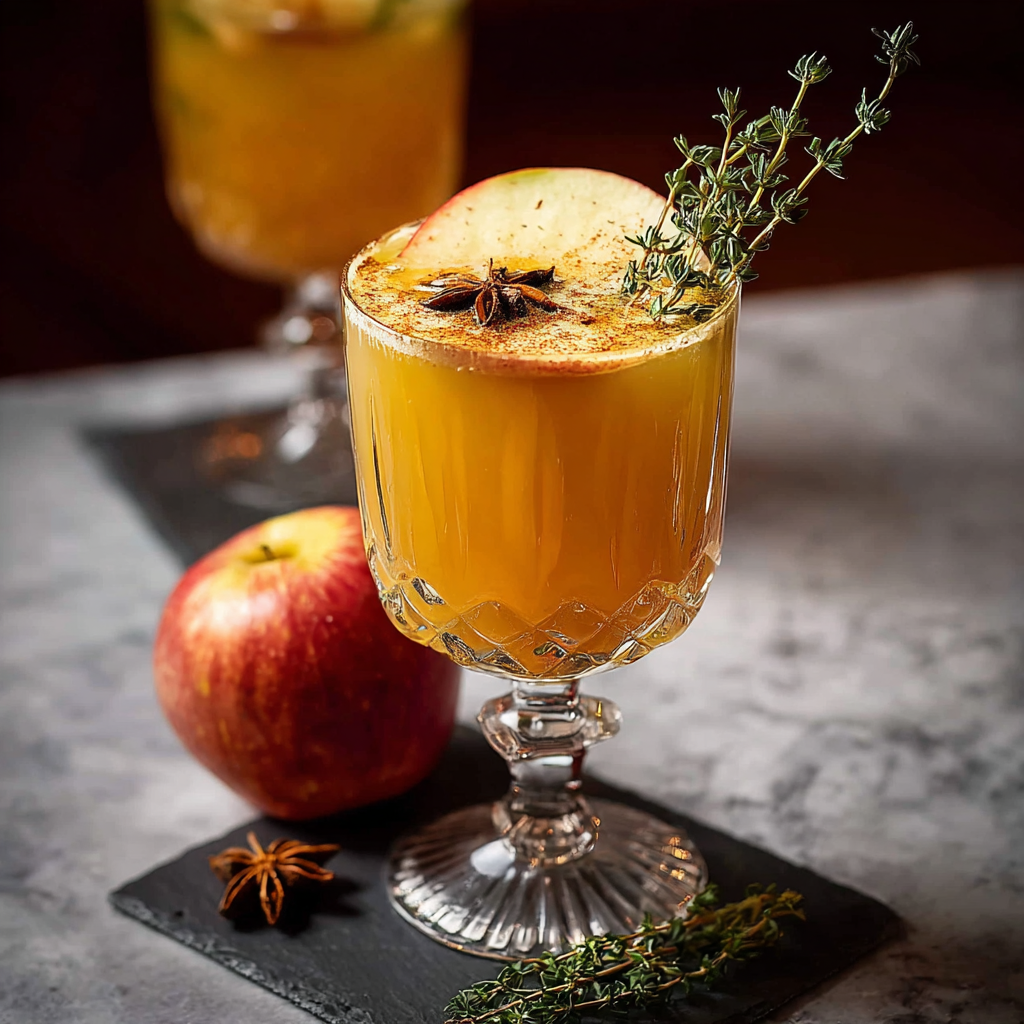
Strain the cider through a fine mesh sieve into a clean saucepan or heat-safe pitcher — removing all whole spices, ginger slices, and orange peel. The finished cider should be clear, deeply colored, and intensely fragrant. Ladle into warm mugs or heat-safe glasses. Garnish each serving with a fresh cinnamon stick, a star anise floated on the surface, a thin apple slice, and a sprig of fresh rosemary. Serve immediately.
Key tip: Warm the mugs or glasses before serving by filling with hot water for 30 seconds and emptying — a cold glass immediately drops the temperature of the hot cider and produces a less aromatically expressive, less warm serving experience.
Nutritional Information
Per serving — based on 6 servings with honey, without additional juice upgrades.
| Nutrient | Per Serving | % Daily Value* |
|---|---|---|
| Calories | 125 kcal | 6% |
| Total Fat | 0g | 0% |
| Saturated Fat | 0g | 0% |
| Total Carbohydrates | 32g | 12% |
| Total Sugar | 28g | — |
| Protein | 0.5g | 1% |
| Dietary Fiber | 0.5g | 2% |
| Sodium | 10mg | 0% |
| Vitamin C | 30% DV | 30% |
| Potassium | 8% DV | 8% |
*Based on a standard 2,000-calorie daily value.
At 125 calories per serving with no fat, no sodium, and 30% of the daily Vitamin C from the fresh orange juice and apple cider, this is one of the most nutritionally favorable warm celebratory drinks available — particularly compared to alcoholic equivalents of equivalent serving size.
Healthier Alternatives
Lower sugar: Reduce or omit the honey entirely — fresh-pressed apple cider has substantial natural sweetness that requires no additional sweetener for most palates. Taste the cider at the 15-minute mark before adding any honey.
Added anti-inflammatory: Add ½ teaspoon of ground turmeric and a pinch of black pepper to the simmering cider — the piperine in the black pepper increases curcumin absorption from the turmeric by up to 2,000% and the golden color it adds is visually beautiful against the amber cider.
Higher Vitamin C: Replace half the orange juice with fresh grapefruit juice — grapefruit has a higher Vitamin C density than orange and its slight bitterness creates an interesting complexity in the finished cider.
Gut health focus: Add 1 tablespoon of raw, unfiltered apple cider vinegar to the finished, strained cider — its acetic acid and prebiotic content complement the apple polyphenols in the cider and add a barely perceptible tangy depth to the flavor.
Serving Suggestions
Thanksgiving or holiday gathering: Serve in a large pot or slow cooker set to warm as a self-service station — guests ladle their own servings and the cider maintains perfect temperature for the duration of the event. Set out garnish elements — cinnamon sticks, star anise, rosemary, apple slices — in small bowls alongside for individual customization.
Intimate dinner party: Ladle into individual heat-safe glasses with elaborate garnishes — a thin apple wheel on the rim, a cinnamon stick, a floating cranberry, and a rosemary sprig. This individual presentation communicates the same care and intention as a properly made cocktail and elevates the mocktail to an event-worthy drink.
Children’s Halloween or Thanksgiving: Serve in small mugs with a cinnamon stick garnish — the warm, sweet, spiced cider is one of the most universally beloved children’s drinks available and needs no modification for younger guests.
Slow cooker format for large gatherings: Combine all ingredients in a slow cooker on low for 2–3 hours instead of stovetop simmering. This format allows the cider to be prepared well ahead, requires no active attention during the event, and maintains the perfect serving temperature throughout.
As a cocktail base: For guests who want an alcoholic version, add 1.5 oz of bourbon, dark rum, or spiced apple brandy directly to each individual serving after ladling — the warm cider base works beautifully with all three spirits and accommodates mixed-preference gatherings without requiring separate preparations.
Common Mistakes to Avoid
Boiling the cider. A rolling boil drives off the volatile aromatic compounds that provide the cider’s characteristic fragrance — the result is a flat, cooked-apple-tasting drink rather than a vibrant, spiced, aromatic one. A gentle simmer is the correct and non-negotiable cooking environment.
Skipping the spice bloom. Whole spices added directly to cold cider without blooming contribute their flavor significantly more slowly and less completely than bloomed spices — the 90 seconds of dry heat releases the fat-soluble aromatic compounds that make the difference between a lightly spiced cider and a deeply, complexly spiced one.
Over-simmering. More than 25 minutes of simmering produces a cider that is over-extracted and slightly bitter from the cloves and cardamom, and noticeably reduced in volume. The 15–20 minute window is calibrated for full extraction without bitterness.
Using apple juice instead of apple cider. Filtered apple juice lacks the polyphenol complexity, the slight fermentation character, and the depth of fresh-pressed cloudy cider. The finished drink from apple juice tastes flat and one-dimensional regardless of the spice quality.
Not warming the glasses. Cold glassware immediately drops the serving temperature of the hot cider — a warm glass maintains the temperature through the first half of the drink and keeps the aromatic compounds volatile and fragrant longer.
Storing Tips
Refrigerator: Strain and store in a sealed container for up to 5 days. The spiced cider actually improves over the first 24 hours as the extracted spice compounds continue to integrate. Reheat gently over medium-low heat — do not boil.
Slow cooker storage: Keep the strained cider in the slow cooker on the warm setting for up to 6 hours during an event — it maintains serving temperature without further cooking or reducing.
Freezer: Freeze in ice cube trays and transfer to a freezer bag for up to 3 months — use the frozen cubes as the base for a glass of cold sparkling cider, or thaw and reheat for a single serving of warm cider without making a full batch.
Concentrate: Reduce the simmered, strained cider by half to produce a spiced cider concentrate. Store in the refrigerator for up to 2 weeks. Dilute with fresh apple cider or hot water in a 1:1 ratio at serving for a concentrate-based quick preparation that produces the same result from a fraction of the cooking time.
Conclusion
Warm apple cider mocktail proves that the most celebratory, most occasion-worthy non-alcoholic drink is not a simplified alternative to something alcoholic but a genuinely excellent drink in its own right — built on the same principles of quality ingredients, correct technique, and deliberate flavor development that distinguish any great beverage from any mediocre one. Whole spices bloomed before simmering, fresh orange juice, vanilla added off the heat, and a garnish that makes every guest feel the occasion is worth marking: the drink that makes autumn and winter gatherings feel genuinely festive without a drop of alcohol.
Make it and share your results in the comments — tell us which spice upgrade you added, which garnish combination you chose, and whether the spice blooming step produced the depth of flavor it always does. Leave a review, share with someone who needs a better seasonal mocktail, and subscribe to our newsletter for more seasonal, occasion-worthy, technique-driven beverage recipes every week.
FAQs
Can I make this in a slow cooker? Yes — combine all ingredients except the vanilla extract in a slow cooker and cook on low for 2–3 hours. Add the vanilla extract in the final 15 minutes. Strain directly from the slow cooker into serving mugs. Leave on the warm setting throughout the event for self-service. This is the most practical large-batch format and requires no active attention during the gathering.
What apple cider works best? Fresh-pressed, unfiltered, cloudy apple cider produces the most complex, most deeply apple-flavored result — the unfiltered solids contribute tannins and polyphenols that give the cider body and depth. Pasteurized fresh cider from the refrigerator section of the supermarket is the most widely available good option. Avoid shelf-stable filtered apple juice — it lacks the complexity that makes this recipe exceptional.
Can I add alcohol for some guests? Yes — add 1.5 oz of bourbon, dark rum, spiced apple brandy, or hard apple cider directly to individual servings after ladling. This approach allows the same base preparation to serve both alcohol-free and alcohol-containing preferences from a single pot without requiring separate preparations.
How do I make a cold version of this recipe? Prepare the spiced cider as directed and allow to cool completely. Refrigerate until cold. Serve over ice in glasses with the same garnishes used for the warm version — a thin apple slice, a cinnamon stick, a rosemary sprig. The cold version is an excellent autumn party drink for warmer days when a hot drink is less appropriate.
Why does my cider taste bitter? Bitterness in mulled cider has two common causes: the white pith of the orange peel was included — pith is intensely bitter and should be avoided when removing the peel — or the cider was simmered for too long, over-extracting the cloves and cardamom. Remove peel in wide strips with a vegetable peeler and limit the simmering time to 20 minutes maximum to prevent both sources of bitterness.
Is this recipe suitable for children? It is one of the most appropriate seasonal drinks for children — naturally sweet, warmly spiced, and genuinely festive without any alcohol content. The spice blend is mild enough for most children’s palates at the quantities specified. For very young children or those sensitive to spice, reduce the cloves to 3 and omit the black pepper — the result remains beautifully spiced without any perceptible heat.