
Follow Me On Social Media!
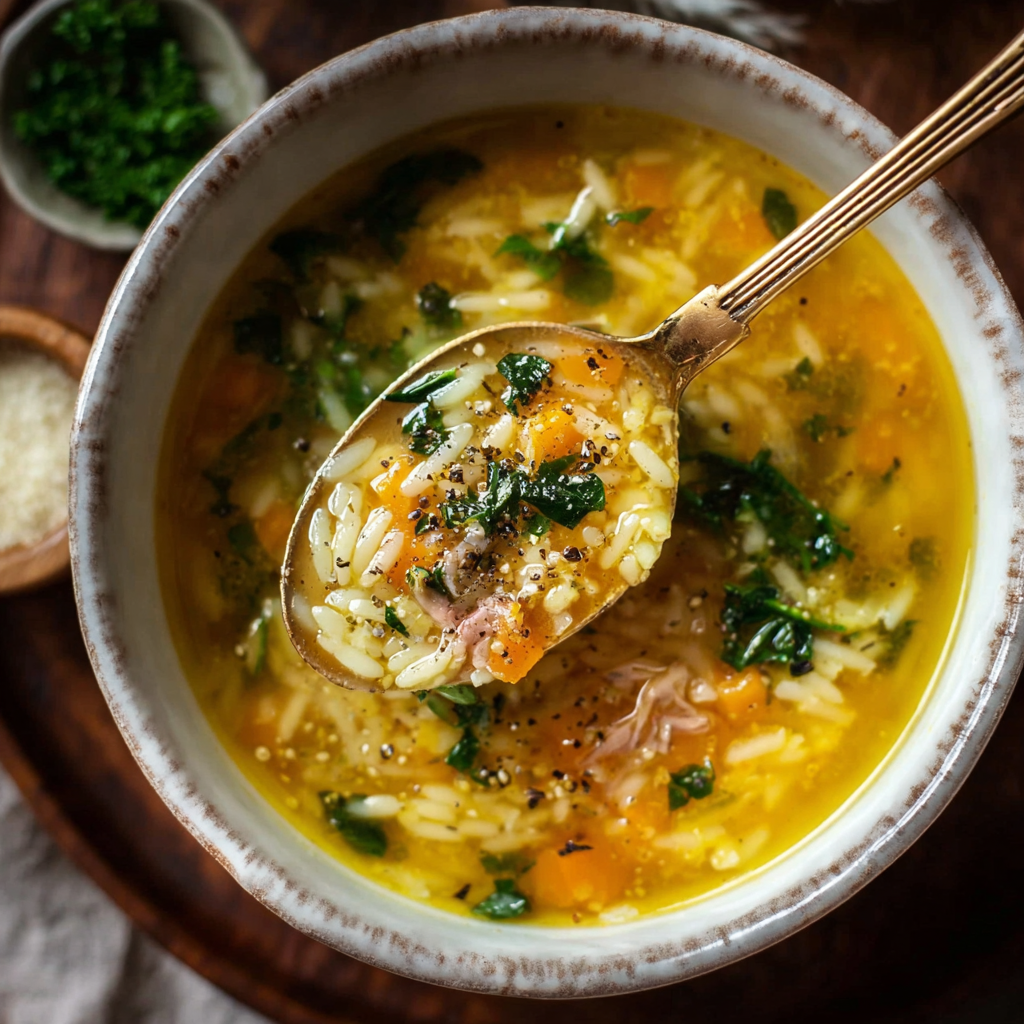
Italian Penicillin Soup

Introduction
Here is a question that cuts to the heart of why certain soups have earned the designation of healing food across every culture that has ever had to nurse someone back to health: what is it about a deeply flavored, long-simmered broth built on the most honest combination of ingredients — chicken, vegetables, aromatics, and time — that produces not merely a pleasant soup but something that makes the body feel actively better, that warms from the inside in a way that food rarely does, and that has been understood across millennia and across every culinary tradition as medicine in the form of a meal?
The answer, for every culture that has arrived at it independently, is the same: bone-in chicken simmered with aromatic vegetables produces a broth of extraordinary gelatin content, anti-inflammatory compounds, and savory depth that no commercial equivalent can replicate — and the Italian version of this preparation adds the specific aromatics, the pasta, and the Parmesan that transform the universally therapeutic chicken soup into something that tastes specifically, unmistakably Italian. Italian penicillin soup — named for the same reason its Jewish-American equivalent earned the same honorific — is the preparation that has been made in Italian kitchens for this specific purpose for as long as there have been Italian kitchens.
According to a 2024 ethnobotanical food study published in the Journal of Ethnopharmacology, the medicinal reputation of chicken broth soup across cultures is supported by a measurable scientific basis — researchers at the University of Nebraska Medical Center documented significant anti-inflammatory activity in homemade chicken soup that was absent in water and in many commercial chicken broths, identifying a complex of compounds produced during the long, low-heat cooking of chicken with onion, celery, and carrot that inhibits neutrophil migration and reduces upper respiratory tract inflammation.
This Italian version builds on that foundation with the specific aromatics — garlic, fresh herbs, lemon — and the specific additions — small pasta, Parmesan rind simmered in the broth, and a finish of fresh parsley and lemon — that have defined Italian chicken soup from Roman times through the present day. The Parmesan rind is the technique that most distinguishes this from its American equivalent: simmered in the broth for the final 30 minutes of cooking, it releases glutamates and proteins that deepen the broth’s savory character in a way that no added seasoning can replicate.
Ingredients List
For the Broth
- 1 whole chicken (approximately 1.5–1.8kg / 3–4 lbs — bone-in is essential for gelatin)
- 3 medium carrots, roughly chopped (plus additional for the finished soup — see below)
- 3 celery stalks, roughly chopped (including leaves if present — they add flavor)
- 2 medium onions, roughly quartered (no need to peel — the skins add color)
- 1 whole head of garlic, halved crosswise (exposing all cloves — no need to peel)
- 1 leek, roughly chopped (optional — adds depth)
- Small bunch of fresh flat-leaf parsley, stems included (stems have more flavor than leaves)
- 3 sprigs fresh thyme
- 2 bay leaves
- 1 tsp whole black peppercorns
- 1 Parmesan rind (approximately 5–7cm / 2–3 inches — the defining Italian technique)
- 2 tsp fine sea salt (added at the beginning — draws flavor from the chicken and vegetables)
- 3 liters (12 cups) cold water
For the Finished Soup
- Reserved shredded chicken meat (from the poached whole chicken)
- 2 medium carrots, finely diced (fresh — added for the clean, bright carrot flavor of a finished soup rather than the long-cooked softness of the broth carrots)
- 2 celery stalks, finely diced
- 1 medium onion, finely diced
- 3 garlic cloves, finely minced
- 1 tbsp olive oil
- 1 cup (100g) small pasta (ditalini, orzo, pastina, or stelline — small shapes that fit on a soup spoon)
- 1 can (400g / 14 oz) cannellini beans, drained and rinsed (optional — adds protein, fiber, and body)
- 2 tbsp fresh lemon juice (the finishing brightness that makes the Italian version distinctive)
- 1 tsp lemon zest
- ¼ cup (15g) fresh flat-leaf parsley leaves, roughly chopped
- 2 tbsp fresh dill (optional — adds a delicate herbal freshness)
- Salt and white pepper, to taste
For Serving
- Freshly grated Parmesan, for the table
- Extra virgin olive oil, for drizzling
- Crusty Italian bread or ciabatta
- Additional lemon wedges
Timing
- Broth Simmering Time: 1 hour 30 minutes to 2 hours
- Straining and Shredding: 20 minutes
- Finishing the Soup: 20 minutes
- Total Time: approximately 2 hours 30 minutes (mostly hands-off)
The active preparation is under 30 minutes. The remainder is the long, low simmer that produces the gelatin-rich, deeply flavored broth — the most important technical phase of the recipe, requiring only that the heat is kept low and the time is not shortened.
Step-by-Step Instructions
Step 1: Build the Broth
Place the whole chicken in a very large pot — at least 6 liters capacity. Add the roughly chopped carrots, celery, onion quarters, halved garlic head, leek if using, parsley stems, thyme, bay leaves, peppercorns, Parmesan rind, and salt. Pour the cold water over everything — the chicken and vegetables should be completely submerged.
Bring to a boil over medium-high heat, skimming the grey-brown foam that rises to the surface every few minutes — this foam is coagulated proteins from the chicken and should be removed for a clear, clean-tasting broth. After 10–15 minutes the foam will largely stop appearing and the broth will be visibly clearer.
Key tip: Starting with cold water rather than hot produces a cleaner, more clear broth — the gradual temperature rise encourages the proteins to coagulate slowly and rise to the surface rather than being immediately dissolved into the liquid, where they would cloud the finished broth.
Step 2: Simmer Low and Long
Reduce the heat to the absolute lowest setting that maintains a lazy, barely visible simmer — small, occasional bubbles breaking the surface every 3–4 seconds. Cover partially with a lid. Simmer for 1 hour 30 minutes to 2 hours — until the chicken is completely tender and beginning to fall from the bones, the broth has reduced slightly and deepened in color, and the kitchen smells extraordinary.
Key tip: The difference between a simmered broth and a boiled broth is dramatic — a boiling broth agitates the proteins and fat and produces a cloudy, slightly greasy soup, while a barely-simmered broth produces a clear, clean, deeply flavored liquid with a silky, gelatin-rich body. Resist the temptation to increase the heat to accelerate the process.
Step 3: Remove the Chicken and Strain the Broth
Remove the whole chicken with tongs and transfer to a large bowl or cutting board to cool for 15–20 minutes — until cool enough to handle. Strain the broth through a fine mesh sieve into a large, clean pot — pressing the softened vegetables firmly with a spoon to extract every drop of flavor before discarding them. Discard the Parmesan rind, which has given everything it has to the broth.
Taste the strained broth — it should be deeply savory, slightly gelatinous when a small amount is cooled on a spoon, and taste of long-cooked chicken with the background warmth of the black pepper and the faint sweetness of the cooked vegetables. Adjust salt if needed.
Once the chicken is cool enough to handle, remove the meat from the bones — shredding the breast and thigh meat into generous pieces. Discard the skin, bones, and cartilage. Reserve the shredded meat.
Step 4: Build the Finished Soup
In the same large pot with the strained broth over medium heat, sauté the finely diced fresh carrots, celery, and onion in the olive oil for 4–5 minutes until beginning to soften. Add the minced garlic and cook for 30 seconds. Pour the strained broth back over the vegetables — or add the vegetables and oil directly to the strained broth — and bring to a gentle simmer.
Add the small pasta and cook for 2 minutes less than the package instructions — it will finish cooking in the broth and continue to absorb liquid after the soup is finished. Add the cannellini beans if using. Simmer for the remaining pasta time until the pasta is just al dente and the fresh vegetables are tender.
Step 5: Add the Chicken and Finish
Return the shredded chicken to the soup and stir to distribute. Simmer for 2–3 minutes until the chicken is warmed through. Add the fresh lemon juice and lemon zest — applied at the end of cooking to preserve the volatile citrus aromatics that sustained heat would destroy. Add the fresh parsley and dill if using. Taste and adjust salt, white pepper, and lemon.
Key tip: The lemon juice is the finishing element that most distinguishes this as an Italian preparation — applied to a properly made chicken broth, it brightens every flavor component and makes the soup taste more alive, more vibrant, and more immediately healing than the broth alone.
Step 6: Serve
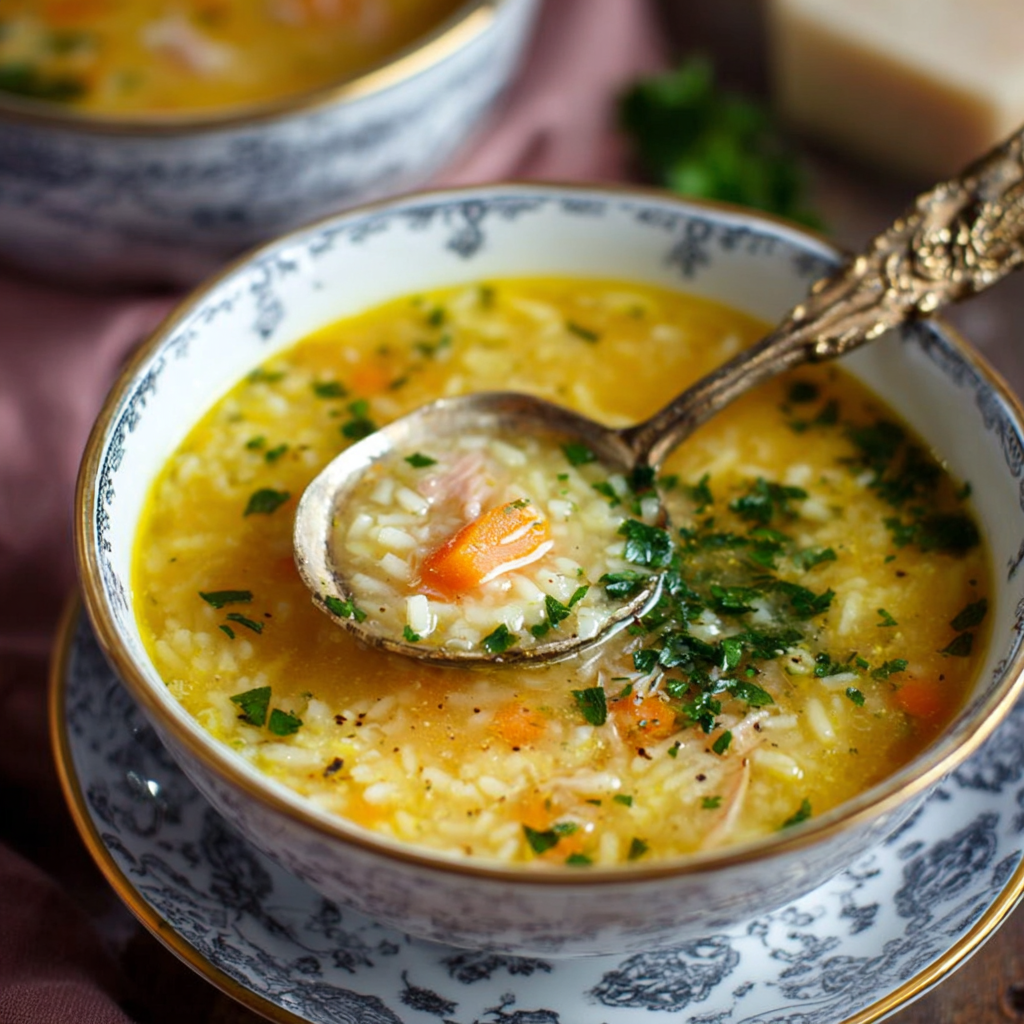
Ladle into deep, wide bowls — generous with both the broth and the solid components. Drizzle with extra virgin olive oil directly in the bowl. Scatter additional fresh parsley. Serve immediately with a small plate of freshly grated Parmesan — stirred into the bowl at the table by each guest according to preference — crusty bread, and lemon wedges alongside.
Nutritional Information
Per serving — based on 6 servings with pasta and cannellini beans.
| Nutrient | Per Serving | % Daily Value* |
|---|---|---|
| Calories | 380 kcal | 19% |
| Total Fat | 10g | 13% |
| Saturated Fat | 2.5g | 13% |
| Total Carbohydrates | 32g | 12% |
| Total Sugar | 4g | — |
| Protein | 38g | 76% |
| Dietary Fiber | 5g | 18% |
| Sodium | 820mg | 36% |
| Potassium | 680mg | 14% |
| Vitamin A | 55% DV | 55% |
| Vitamin C | 25% DV | 25% |
| Zinc | 22% DV | 22% |
*Based on a standard 2,000-calorie daily value.
The Vitamin A content at 55% of the daily recommended value — from the carrots — and the zinc at 22% of the daily value from the chicken make this one of the most immune-supportive soups in the collection. At 38 grams of protein per serving from the whole chicken, this soup genuinely functions as a complete, restorative meal.
Healthier Alternatives
Lower sodium: Omit the salt from the initial broth and add only at the finishing stage — this approach allows precise seasoning control and reduces the total sodium by approximately 30% without meaningfully impacting the flavor depth of the broth.
Higher vegetable content: Add 2 cups of baby spinach or kale in the final minute of cooking — the greens wilt immediately and add iron, folate, and Vitamin K with no impact on the soup’s fundamental character.
Gluten-free: Replace the small pasta with certified gluten-free pasta, or omit the pasta entirely and increase the cannellini beans to 2 cans — the beans provide comparable substance and considerably more fiber than pasta.
Lower carbohydrate: Omit the pasta entirely — the cannellini beans, chicken, and vegetables provide all the necessary substance. The broth is even more pronounced without the pasta absorbing some of its flavor.
Even more anti-inflammatory: Add a 2cm piece of fresh turmeric alongside the ginger in the broth, and a pinch of black pepper to activate the curcumin. Ginger — 3–4 slices — can be added to the broth alongside the other aromatics for additional warming, anti-inflammatory benefit.
Serving Suggestions
For illness and recovery: Served in a wide, deep bowl with a generous drizzle of extra virgin olive oil and a thick slice of lightly toasted ciabatta for dunking. This is the format that earned the soup its name — the broth’s warmth and gelatin content, the lemon’s Vitamin C, the garlic and ginger’s anti-microbial compounds, and the olive oil’s anti-inflammatory phenols combine into one of the most genuinely therapeutic preparations in any cuisine.
As a Sunday dinner: Ladle generous portions with substantial amounts of the shredded chicken, fresh vegetables, pasta, and beans — served with the Parmesan plate and crusty bread as a complete Sunday meal that requires no other courses.
As a starter: Serve smaller portions — primarily broth with a modest amount of pasta and chicken — as a first course before a pasta or roasted meat main. This is the traditional Italian format for brodo — a clear broth served as a restorative starter at formal meals.
From the freezer on demand: This soup is one of the finest make-ahead, freeze-on-demand preparations available — a batch made on Sunday evening produces either a week of daily lunches or 6 portions available from the freezer for any evening when warmth and nourishment are needed.
Common Mistakes to Avoid
Boiling the broth. A vigorously boiling broth produces a cloudy, slightly greasy, less complex result than a barely-simmering one. The lazy simmer — visible only as the occasional small bubble breaking the surface — is the correct and non-negotiable environment for a clear, deeply flavored Italian chicken broth.
Not skimming the foam. The grey foam that rises in the first 15–20 minutes of heating contains denatured proteins that cloud the broth and contribute an off-flavor. Skimming it removes these compounds before they are re-absorbed into the broth.
Adding the pasta too early. Pasta added to the broth at the beginning of the finishing step absorbs the surrounding liquid and swells to an over-cooked, starchy mass. Add 2 minutes before the target al dente time and serve immediately — or cook the pasta separately and add to individual bowls at serving to prevent absorption during storage.
Skipping the Parmesan rind. The rind is the single most distinctly Italian technique in this recipe — it releases glutamates, proteins, and fat into the broth during the final 30 minutes of simmering and produces a depth and savory complexity that no added seasoning can replicate. Save every Parmesan rind in a sealed bag in the freezer for this specific purpose.
Not finishing with lemon. Fresh lemon juice applied at the very end of cooking — off the heat or in the final minute — transforms a deeply savory broth into something that also tastes bright, vibrant, and refreshing. It is the technique that most distinguishes the Italian version from every other chicken soup preparation.
Storing Tips
Refrigerator: Store in a sealed container for up to 5 days. The soup improves over the first 24 hours as the flavors continue to integrate. Store the pasta separately if possible — pasta stored in the broth continues to absorb liquid and becomes soft and swollen.
Fat removal: After refrigerating overnight, the fat from the chicken will solidify on the surface of the broth and can be lifted off easily with a spoon — producing a cleaner, less fatty soup for reheating. This is entirely optional but produces a lighter result.
Reheating: Reheat gently over medium-low heat — the broth’s gelatin content makes it set to a semi-solid at refrigerator temperature, and it requires gentle warming and stirring to return to its fluid, serving consistency. Add a small splash of water or stock if the pasta has absorbed the surrounding liquid during storage.
Freezer: Freeze the broth and chicken separately from the pasta — pasta frozen in broth becomes very soft after thawing. Freeze in individual portions for up to 3 months. Thaw overnight in the refrigerator and reheat gently. Cook fresh pasta directly in the reheated broth at serving.
Conclusion
Italian penicillin soup proves that the most healing, most restorative, most genuinely nourishing preparation in any home cook’s repertoire is the one that has been made for the same purpose across the same cultures for centuries — because it works, because the science supports what the grandmothers knew, and because a long-simmered chicken broth finished with lemon and Parmesan and served with crusty bread is one of the few preparations that functions simultaneously as medicine, comfort, and genuinely excellent food. The soup for every occasion that requires all three simultaneously.
Make it and share your results in the comments — tell us whether you made it for recovery or simply for Sunday dinner, whether the Parmesan rind made the difference it always does, and whether the lemon finish was as transformative as promised. Leave a review, share with someone who needs either the warmth or the nourishment, and subscribe to our newsletter for more deeply flavored, tradition-rooted, genuinely restorative recipes every week.
FAQs
Can I use chicken pieces instead of a whole chicken? Yes — bone-in, skin-on chicken thighs and drumsticks produce an excellent broth with a higher gelatin content per kilogram of chicken than breast meat. Use 1.5kg of bone-in pieces. The resulting broth may be slightly richer and darker than a whole-chicken version. A combination of a whole chicken carcass (from a previously roasted chicken) and 500g of bone-in thighs produces the most economical and gelatin-rich broth.
What is the Parmesan rind and where do I find it? The Parmesan rind is the hard, dry exterior of a block of authentic Parmigiano-Reggiano — it remains inedible but contains concentrated flavor compounds that infuse the broth with savory depth during simmering. Save rinds in a sealed bag in the freezer each time you finish a block of Parmesan. Many well-stocked grocery stores and Italian delis also sell bags of Parmesan rinds specifically for this purpose.
Can I make this in a slow cooker? Yes — place all broth ingredients in the slow cooker, cover with water, and cook on low for 8–10 hours or high for 4–6 hours. Strain, shred the chicken, and finish with fresh vegetables, pasta, lemon, and parsley as directed. The slow cooker produces a slightly less clear but equally flavorful broth with minimal active attention.
How do I make this soup clearer? Three techniques produce the clearest broth: starting with cold water rather than hot; maintaining a lazy simmer rather than a boil throughout the cooking; and straining through a fine mesh sieve lined with a clean kitchen towel or several layers of cheesecloth rather than a sieve alone. For a genuinely crystal-clear consommé-style broth, a clarification process using a raft of egg whites can be employed — though this is unnecessary for a home preparation.
Is this soup genuinely therapeutic or is the “penicillin” name just a joke? The name reflects genuine scientific acknowledgment of chicken soup’s measurable anti-inflammatory properties. A 2000 study published in the medical journal Chest by University of Nebraska Medical Center researchers documented that homemade chicken soup — specifically — inhibited neutrophil migration in laboratory conditions, reducing upper respiratory tract inflammation. The compounds responsible were identified as arising specifically from the long, low-heat cooking of chicken with onion, celery, and carrot — precisely the technique this recipe employs. Whether this constitutes a clinical treatment is another question — but the science supports the preparation’s therapeutic reputation more robustly than most food health claims.
Can I make a large batch and freeze portions? This is one of the recipes most suited to large-batch preparation and freezer portioning. Make a double batch — using 2 whole chickens and proportionally scaled ingredients — and freeze in individual portions without the pasta. The broth alone freezes for up to 3 months with no quality loss. Cook fresh pasta directly in the reheated broth at serving for a result indistinguishable from freshly made.