Follow Me On Social Media!
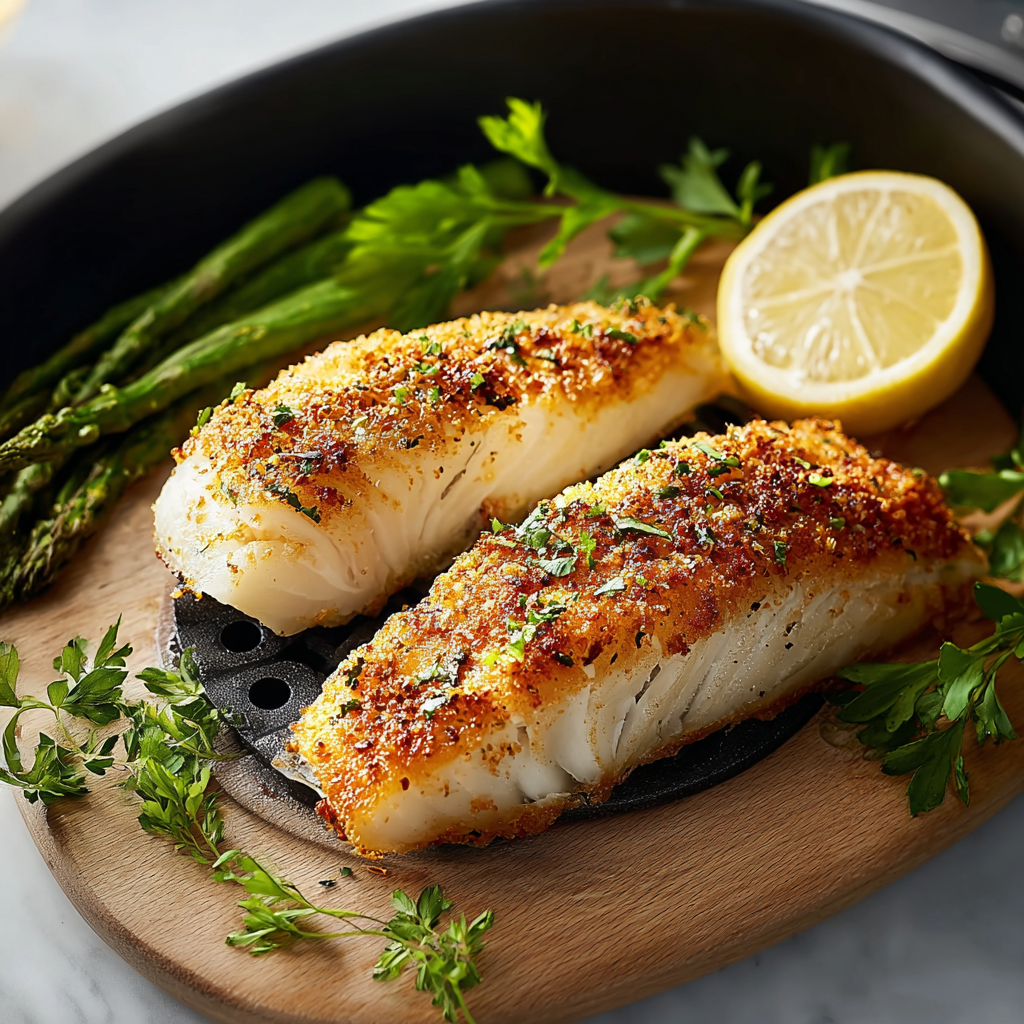
Air Fryer Grilled Fish Fillet

Introduction
Here is a question worth considering the next time you reach for your car keys to head to a seafood restaurant: did you know that the average American household spends over $3,200 annually on dining out, yet nutritionists and culinary researchers consistently rank home-cooked fish among the most cost-effective, protein-dense, and heart-healthy meals a person can prepare? And here is the more surprising part — with an air fryer, you can produce a fish fillet with a genuinely crispy, golden exterior and a moist, flaky interior that rivals anything coming out of a professional kitchen grill in under 15 minutes of total cook time.
The air fryer grilled fish fillet is one of those rare recipes that sits at the perfect intersection of speed, nutrition, and flavor. It uses circulating superheated air to replicate the effect of grilling — caramelizing the seasoned exterior, locking in the natural moisture of the fish, and creating that coveted slightly charred finish — without a drop of deep-frying oil, without heating up your entire kitchen, and without the 45-minute wait time associated with oven baking.
According to a 2023 report by the American Heart Association, eating fish at least twice per week is associated with a meaningfully reduced risk of cardiovascular disease, stroke, and sudden cardiac events — yet fewer than 30% of American adults meet this recommendation consistently. The barrier, according to the same research, is not preference but perceived complexity. This recipe removes that barrier entirely. Fast, foolproof, and genuinely delicious — let’s get cooking.
Ingredients List
For the Fish Fillets
- 4 white fish fillets, approximately 170–200g (6–7 oz) each (cod, tilapia, mahi-mahi, halibut, or sea bass all work beautifully)
- 2 tbsp olive oil or avocado oil
- 1 tbsp fresh lemon juice
- 1 tsp fine sea salt
- ½ tsp freshly ground black pepper
For the Seasoning Blend
- 1½ tsp smoked paprika (sub: sweet paprika for a milder finish)
- 1 tsp garlic powder
- 1 tsp onion powder
- ½ tsp dried oregano
- ½ tsp dried thyme
- ½ tsp ground cumin
- ¼ tsp cayenne pepper (optional — omit for a mild profile)
- ¼ tsp ground coriander
For the Lemon Herb Finishing Sauce (Optional but Highly Recommended)
- 3 tbsp unsalted butter, melted (sub: olive oil for dairy-free)
- 2 tbsp fresh lemon juice
- 2 garlic cloves, finely minced
- 2 tbsp fresh flat-leaf parsley, finely chopped
- 1 tbsp fresh dill, finely chopped (sub: ½ tsp dried dill)
- ¼ tsp fine sea salt
- Pinch of red chili flakes (optional)
For Serving
- Lemon wedges
- Fresh parsley or dill, for garnish
- Flaky sea salt, for finishing (Maldon or fleur de sel)
Timing
- Prep Time: 8 minutes
- Marinating Time: 10 minutes (optional but recommended)
- Cook Time: 10–14 minutes
- Total Time: 18–22 minutes (approximately 30 minutes with optional marinating)
Here is some context that puts this recipe in sharp perspective: traditional oven-baked fish fillets require 20–25 minutes of preheating plus 15–20 minutes of baking time, totaling 35–45 minutes from start to plate. A restaurant grill order, factoring in wait time, runs 25–40 minutes. This air fryer grilled fish fillet is on the table in under 25 minutes from the moment you open the refrigerator — making it one of the fastest complete protein-based dinners in any home cook’s repertoire.
Step-by-Step Instructions
Step 1: Prepare and Dry the Fish Fillets
Remove the fish fillets from the refrigerator 10–15 minutes before cooking to allow them to come slightly toward room temperature. This promotes more even cooking throughout the thickness of the fillet and reduces the risk of the exterior overcooking before the center reaches the correct temperature.
Pat each fillet completely and thoroughly dry on both sides using paper towels. Press gently but firmly — do not rush this step. Surface moisture is the single greatest obstacle to achieving a golden, slightly charred exterior in the air fryer. Any water on the surface will steam the fish rather than sear it, producing a pale, soft exterior instead of the caramelized crust that makes this recipe exceptional. Dry fillets are non-negotiable.
Key tip: If your fillets have skin on one side, score the skin with 3–4 shallow diagonal cuts using a sharp knife before drying. This prevents the skin from curling as it cooks and ensures it crisps evenly across the entire surface.
Step 2: Season the Fillets
In a small bowl, combine the smoked paprika, garlic powder, onion powder, dried oregano, dried thyme, ground cumin, cayenne, and ground coriander. Stir until fully blended into an even seasoning mix.
Brush both sides of each dried fillet with olive oil, then drizzle a small amount of lemon juice over the top surface only. Season generously with salt and pepper, then apply the spice blend evenly across both sides of each fillet, pressing lightly with your fingertips to help the spices adhere to the oiled surface. Every part of the fish should be visibly and evenly coated.
Key tip: Apply the lemon juice before the spice blend rather than after. Lemon juice applied to the spices on the surface can cause them to dissolve and run off during cooking. The sequence — oil, lemon, salt, spice blend — is intentional and produces better adhesion and more even flavor development.
Step 3: Preheat the Air Fryer
Preheat your air fryer to 400°F (200°C) for 3–5 minutes. Preheating is an often-skipped step in air fryer cooking, but it matters considerably for fish. Placing fish into a cold air fryer means the exterior begins cooking only once the air fryer reaches temperature — by which time the interior may already be partially cooked, resulting in an uneven finish. A preheated air fryer ensures the fish hits immediate searing heat the moment it enters the basket, which is what produces the characteristic caramelized, slightly charred surface this recipe is designed around.
Lightly spray or brush the air fryer basket with oil to prevent sticking. Do not use aerosol cooking sprays that contain propellants — these can damage the non-stick coating of air fryer baskets over time. A pump-style oil mister or a pastry brush with neutral oil is the better approach.
Step 4: Air Fry the Fish Fillets
Place the seasoned fillets in the air fryer basket in a single layer, ensuring they do not overlap or touch. Depending on the size of your air fryer, you may need to cook in two batches — this is preferable to crowding, which impedes airflow and prevents even crisping.
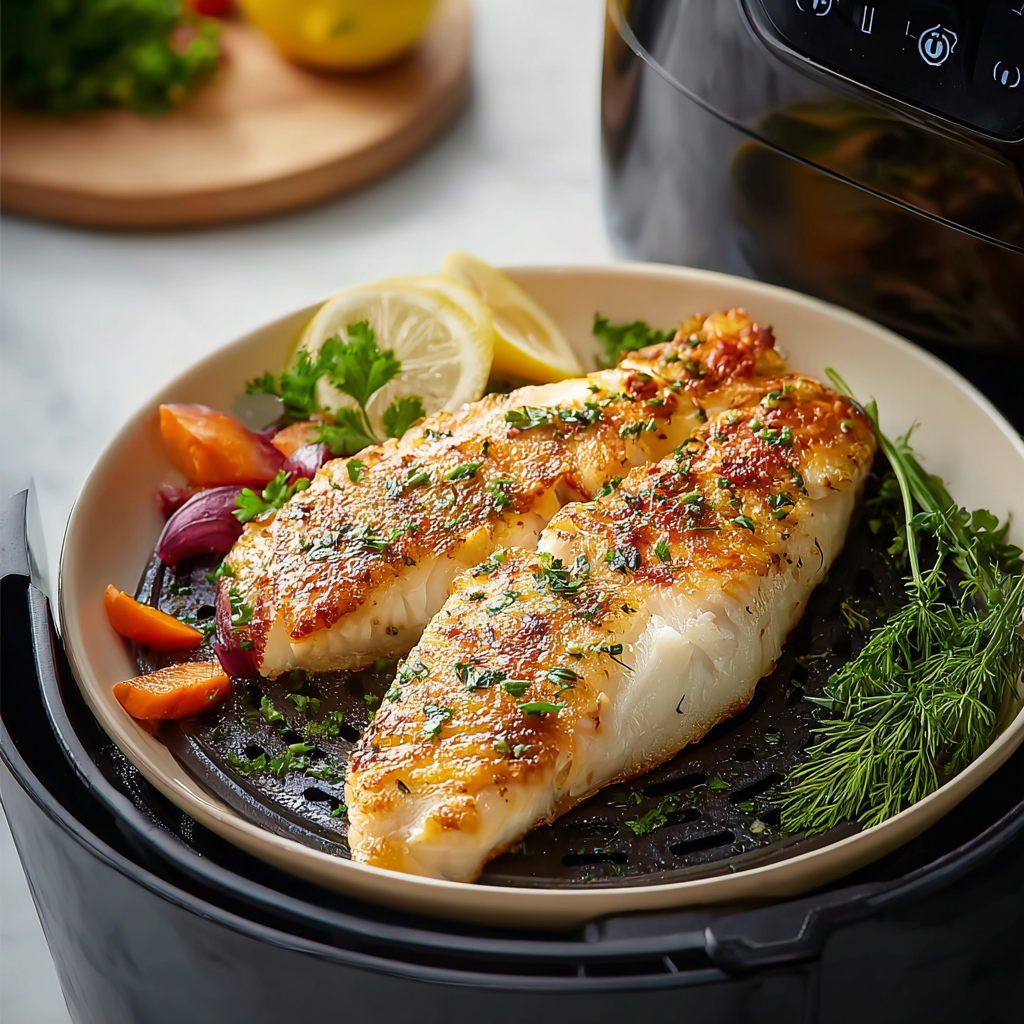
Cook at 400°F (200°C) for 10–14 minutes. The precise time will depend on the thickness of your fillets — use these benchmarks as your guide: fillets under 2cm (¾ inch) thick will be done in 10–11 minutes, fillets between 2–3cm (¾–1¼ inch) thick will need 12–13 minutes, and thicker fillets above 3cm (1¼ inch) may require the full 14 minutes. Do not flip the fillets during cooking — the air fryer’s circulating heat cooks from all directions simultaneously, making flipping unnecessary and risking the delicate fillet breaking apart.
The fish is cooked when it flakes easily at the thickest point when pressed gently with a fork and has reached an internal temperature of 145°F (63°C) on an instant-read thermometer.
Key tip: Fish continues to cook from residual heat for 1–2 minutes after leaving the air fryer. Pull it out the moment it reaches 140°F (60°C) internally and allow it to rest — it will reach the safe 145°F (63°C) during the resting period without overcooking.
Step 5: Make the Lemon Herb Finishing Sauce
While the fish is in the air fryer, prepare the finishing sauce. Melt the butter in a small saucepan over low heat or in a microwave-safe bowl in 20-second intervals. Add the minced garlic and cook in the warm butter for 30 seconds — just long enough to take the raw edge off the garlic without browning it. Remove from heat and stir in the lemon juice, parsley, dill, salt, and chili flakes. Keep warm until the fish is ready.
This finishing sauce is technically optional but elevates the dish from very good to genuinely exceptional. The combination of warm butter, bright lemon, fresh herbs, and a whisper of chili creates a simple beurre blanc-adjacent sauce that complements the smoky, spiced exterior of the fish with remarkable elegance.
Step 6: Rest, Plate, and Serve
Remove the fillets carefully from the air fryer basket using a thin spatula — fish is delicate and the cooked fillet will be more fragile than raw. Transfer to serving plates and allow to rest for 2 minutes. Spoon the warm lemon herb sauce generously over the top of each fillet, finishing with a pinch of flaky sea salt, a scattering of fresh parsley or dill, and a wedge of lemon on the side. Serve immediately.
Nutritional Information
Per serving — based on 4 fillets using cod and including the lemon herb butter sauce. Values are approximate.
| Nutrient | Per Serving | % Daily Value* |
|---|---|---|
| Calories | 295 kcal | 15% |
| Total Fat | 16g | 21% |
| Saturated Fat | 5g | 25% |
| Total Carbohydrates | 3g | 1% |
| Total Sugar | 1g | — |
| Protein | 35g | 70% |
| Dietary Fiber | 0.5g | 2% |
| Sodium | 520mg | 23% |
| Potassium | 680mg | 14% |
| Omega-3 Fatty Acids | 0.5–1.2g | — |
| Vitamin D | 18% DV | 18% |
| Vitamin B12 | 40% DV | 40% |
| Selenium | 65% DV | 65% |
*Based on a standard 2,000-calorie daily diet. Values vary significantly based on fish species, fillet thickness, and whether the finishing sauce is included.
At just 295 calories per serving and 35 grams of complete protein, this is one of the most nutritionally efficient meals in this entire recipe series. The selenium content — at 65% of the daily recommended value — is particularly noteworthy, as selenium is a critical antioxidant mineral that supports thyroid function, immune response, and DNA synthesis. White fish is among the richest dietary sources of this frequently overlooked nutrient.
Healthier Alternatives for the Recipe
Dairy-free and lower fat: Replace the butter in the finishing sauce with a good-quality extra virgin olive oil. The sauce will be lighter in body but equally fragrant and flavorful. This swap reduces the saturated fat content of the dish to under 2 grams per serving.
Lower sodium: Reduce the salt in the seasoning blend by half and replace it with an equal quantity of lemon zest. Lemon zest amplifies the perception of brightness and flavor intensity without contributing sodium — a technique used frequently in clinical nutrition cooking to reduce sodium without sacrificing palatability.
Higher omega-3 profile: Replace the white fish with salmon, mackerel, or rainbow trout. These oily fish species contain 10–20 times more omega-3 fatty acids than white fish varieties and carry a richer, deeper flavor that stands up beautifully to the smoked paprika and cumin seasoning blend.
Keto and carnivore-friendly: This recipe is already extremely well-suited to ketogenic eating at 3 grams of total carbohydrates per serving. To reduce it further, omit the lemon juice (replace with lemon zest) and use olive oil in place of the finishing butter sauce. The result is under 1 gram of net carbohydrates per serving.
Herb-crusted variation: For a crunchier exterior without breading, mix 2 tablespoons of finely chopped fresh herbs — parsley, dill, and chives — with 1 teaspoon of lemon zest and press the mixture onto the top surface of each oiled fillet before air frying. The herbs char lightly at the edges and create a beautifully fragrant, textured crust.
Whole30 and paleo compliant: Replace the butter with ghee or coconut oil in the finishing sauce and ensure your seasoning blend contains no added sugar or anti-caking agents. Every other component is naturally compliant with both Whole30 and paleo dietary frameworks.
Serving Suggestions
Classic restaurant-style plate: Serve each fillet on a bed of smooth garlic mashed potatoes or creamy cauliflower purée, with steamed asparagus spears and a generous spoonful of the lemon herb sauce pooled around the base. This presentation mirrors a mid-range seafood restaurant plate in both appearance and flavor complexity.
Light Mediterranean bowl: Flake the cooked fish over a base of herbed couscous or bulgur wheat mixed with diced cucumber, cherry tomatoes, Kalamata olives, and fresh parsley. Drizzle with the lemon herb sauce and finish with a spoonful of tzatziki. This assembly creates a complete, balanced meal with a bright Mediterranean character.
Taco format: Flake the air-fried fillet into warm corn or flour tortillas with shredded purple cabbage, sliced avocado, pickled red onion, a drizzle of chipotle crema, and a squeeze of lime. Fish tacos made with air fryer fillets are lighter and faster than traditional battered versions and every bit as satisfying.
Salad centerpiece: Place a whole fillet directly on top of a large salad of mixed greens, shaved fennel, thinly sliced radish, segmented grapefruit, and toasted pine nuts. Dress lightly with olive oil and white wine vinegar. The warm fish wilts the greens slightly and the combination of smoky spiced fish with the bitter, citrusy salad is genuinely sophisticated.
Rice and vegetable pairing: Serve alongside steamed jasmine rice, stir-fried bok choy with garlic and oyster sauce, and a small bowl of miso soup. The Asian-inspired accompaniments work unexpectedly well with the smoked paprika and cumin seasoning on the fish, bridging Eastern and Western flavor profiles in a cohesive and interesting way.
Breakfast or brunch option: Flake leftover chilled fish fillet over a toasted sourdough slice with smashed avocado, a soft poached egg, pickled cucumber ribbons, and a drizzle of hot sauce. Leftover air fryer fish makes one of the most nutritionally complete and flavor-forward brunch plates imaginable.
Common Mistakes to Avoid
Not drying the fillets before seasoning. This point cannot be overstated in the context of air fryer cooking. Moisture on the surface of the fish creates steam inside the air fryer basket, which actively works against the caramelization process. The result is a pale, soft exterior rather than the golden, slightly textured surface the recipe is designed to produce. Paper towels and 30 seconds of patting are the most impactful preparation step in this entire recipe.
Skipping the preheat. Air fryers that are not preheated produce uneven cooking — the exterior of the fish begins softening and cooking slowly as the machine climbs to temperature, rather than hitting immediate searing heat. Three to five minutes of preheating costs almost nothing in time and produces a meaningfully better result.
Overlapping fillets in the basket. Air fryer cooking depends entirely on unrestricted hot air circulation around every surface of the food. Overlapping or touching fillets create dead zones where air cannot reach, resulting in unevenly cooked, partially steamed patches on the fish. A single, well-spaced layer — in batches if necessary — is the correct approach every time.
Using aerosol cooking sprays. The propellants in conventional aerosol cooking sprays chemically degrade the non-stick coating of air fryer baskets over repeated use, leading to peeling and eventual replacement of the basket. Always use a pump-action oil mister or a pastry brush with oil applied directly.
Overcooking the fish. White fish has a very narrow window of perfect doneness. One to two minutes of overcooking produces a dry, rubbery, chalky texture that no sauce can fully rescue. An instant-read thermometer removes all guesswork — pull the fish at 140°F (60°C) and let residual heat carry it to the safe 145°F (63°C) during a brief rest.
Applying lemon juice after the spice rub. The acidity of lemon juice dissolves and washes spice blends off the surface of the fish if applied over the seasoning. Always follow the sequence: oil first, lemon juice second, salt third, spice blend last. This order ensures maximum adherence and the most evenly flavored, beautifully seasoned crust.
Storing Tips for the Recipe
Refrigerator: Store leftover cooked fish fillets in an airtight container, separated by sheets of parchment paper to prevent sticking, for up to 3 days. The flavors actually develop and deepen overnight as the spices penetrate further into the flesh — cold leftover fillets flaked over salads or into wraps the following day are genuinely excellent.
Reheating: The air fryer is the best tool for reheating fish fillets and produces the closest result to freshly cooked. Reheat at 350°F (175°C) for 3–4 minutes until just warmed through. Avoid the microwave — it heats fish unevenly, creates hot spots that toughen the protein, and generates a strong odor that lingers in the kitchen. If you must use a microwave, cover the fish with a damp paper towel and heat at 50% power in 30-second intervals.
Freezer: Raw fish fillets freeze well for up to 3 months when wrapped tightly in plastic wrap and stored in a freezer-safe bag with as much air removed as possible. Thaw overnight in the refrigerator before cooking — never at room temperature, as this creates an uneven temperature gradient that affects the texture of the cooked fish. Cooked fish fillets can be frozen for up to 1 month but will have a noticeably softer texture upon reheating.
Finishing sauce storage: The lemon herb butter sauce stores in an airtight container in the refrigerator for up to 5 days. It will solidify when cold — reheat gently in a small saucepan over very low heat or in the microwave at 30% power, stirring between intervals. It also works beautifully as a finishing sauce for roasted vegetables, pasta, or grilled chicken throughout the week.
Meal prep approach: Season and portion the raw fillets individually in zip-lock bags or wrapped in parchment paper and refrigerate for up to 24 hours before cooking. The seasoning penetrates the fish as it rests, producing a more deeply flavored result than fillets seasoned and cooked immediately. This makes weeknight cooking genuinely effortless — open the refrigerator, pull out a pre-seasoned fillet, and it is in the air fryer within 60 seconds.
Conclusion
The air fryer grilled fish fillet proves that fast and nutritious are not mutually exclusive. A deeply seasoned, caramelized exterior, a moist and flaky interior, 35 grams of protein, and a total cook time under 15 minutes — this is the weeknight fish recipe that makes the twice-weekly seafood recommendation from every major health organization not just achievable but genuinely something to look forward to.
Ready to cook? Try this recipe tonight and share your results in the comments below — tell us which fish you used, whether you made the lemon herb sauce, and how it compared to your usual takeout or restaurant fish order. If this guide made weeknight fish feel approachable, leave a review and subscribe to our newsletter for more fast, high-protein, flavor-first recipes delivered to your inbox every week. Your air fryer is about to become your most-used kitchen tool.
FAQs
What is the best fish for this air fryer recipe? Cod and mahi-mahi are the top recommendations for beginners — both are widely available, affordable, hold their shape well during air frying, and have a mild, clean flavor that pairs beautifully with the smoked paprika and cumin seasoning blend. Tilapia is the most budget-friendly option and cooks slightly faster due to its thinner fillets. For a richer, more indulgent result, halibut and sea bass are exceptional choices that respond particularly well to the lemon herb finishing sauce.
Do I need to flip the fish during air frying? No — and doing so risks breaking delicate fillets apart unnecessarily. The air fryer’s 360-degree circulating heat system cooks the fish evenly from all sides simultaneously, making flipping redundant for fillets. The exception is very thick fillets above 3.5cm (1½ inches), which may benefit from a careful flip at the halfway mark using a wide, thin spatula.
Can I cook frozen fish fillets directly in the air fryer? Yes, though with adjustments. Do not thaw — cook the frozen fillets directly. Pat them dry as thoroughly as possible, season as directed, and add 5–7 minutes to the total cook time. Start checking the internal temperature at the 15-minute mark. The texture of fillets cooked from frozen will be slightly less refined than thawed fillets, but the result is still entirely satisfying and far superior to oven-baked frozen fish.
Why is my fish sticking to the air fryer basket? Sticking is almost always caused by either insufficient oil on the basket before cooking or placing the fish in a basket that has not been preheated. Both allow the proteins on the surface of the fish to bond with the basket surface before a crust can form. Oil the basket generously with a brush or pump mister before every use, and always preheat for at least 3 minutes before adding food.
Can I make this recipe without the spice blend using just salt and pepper? Absolutely. The fish is genuinely delicious with nothing more than olive oil, salt, pepper, and a squeeze of lemon — the quality of the fish and the air frying technique do the heavy lifting. The spice blend adds a smoky, complex depth that elevates the recipe significantly, but the core method works beautifully with minimal seasoning for those who prefer a cleaner, more neutral flavor profile.
How do I know when the fish is perfectly cooked without a thermometer? The most reliable visual and tactile cue is the fork test: insert a fork at the thickest point of the fillet at a slight angle and twist gently. Perfectly cooked fish will flake into large, moist, opaque pieces with almost no resistance. Undercooked fish will resist the fork and appear translucent at the center. Overcooked fish will flake into very small, dry pieces and feel firm rather than yielding. A correctly cooked fillet should feel like it is just barely holding itself together — tender, moist, and reluctantly flaky.