Follow Me On Social Media!
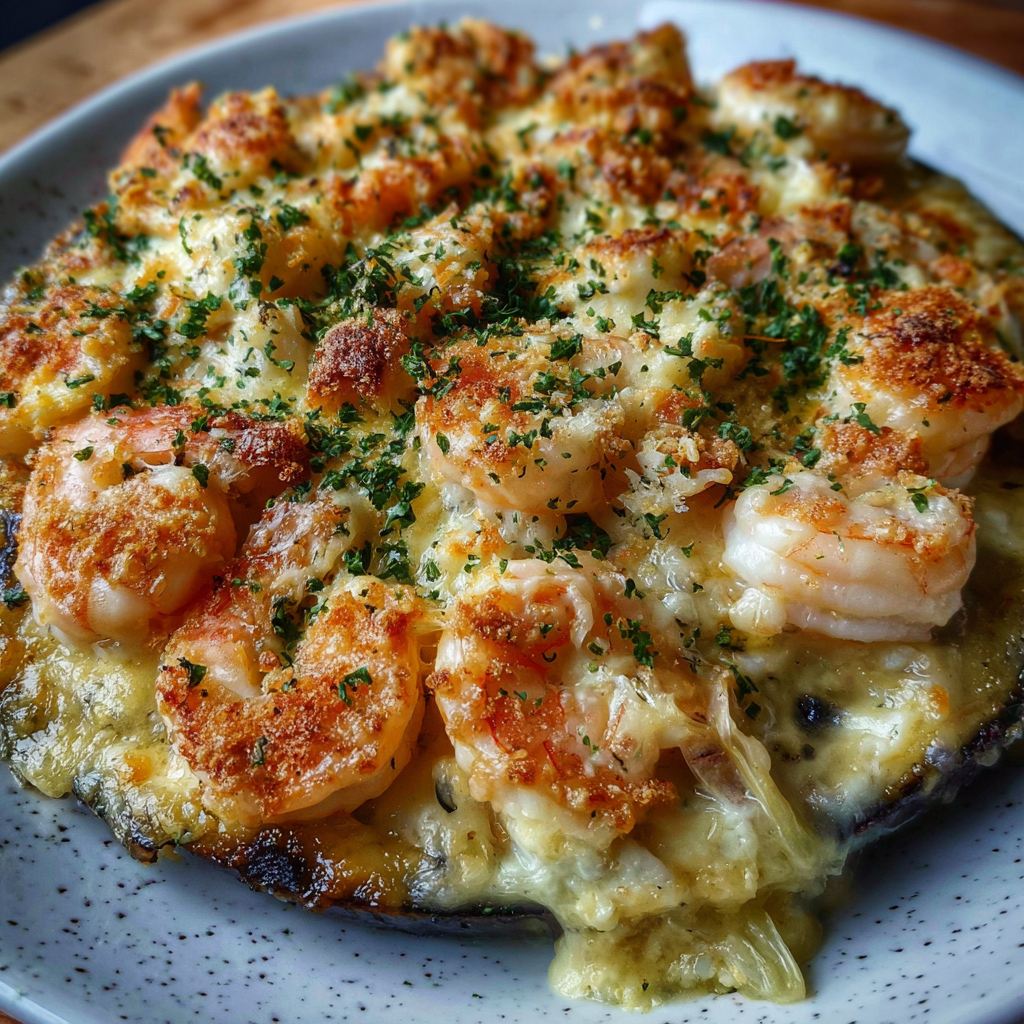
Baked Seafood Gratin

Introduction
Here is a question worth asking the next time a dinner party is on the calendar: what if the most impressive, elegant, genuinely restaurant-quality dish you could serve required nothing more than a handful of premium seafood, a deeply flavored cream sauce, a golden breadcrumb crust, and about 40 minutes from start to table? According to a 2024 report by the National Restaurant Association, seafood gratin ranks among the top ten most ordered dishes at fine dining establishments across North America and Western Europe — yet fewer than 15% of home cooks have ever attempted it, citing complexity and technique as the barriers. This baked seafood gratin dismantles both of those objections entirely.
A gratin, at its fundamental level, is one of the most forgiving formats in classical French cooking — ingredients arranged in a baking dish, covered in a sauce, topped with cheese or breadcrumbs, and baked until bubbling and golden. Applied to seafood, the result is a dish of extraordinary richness and elegance: tender shrimp, scallops, and fish nestled in a wine-enriched cream sauce, crowned with a Parmesan-breadcrumb crust that shatters on the spoon to reveal the delicate, perfectly cooked seafood beneath.
A 2023 nutritional review published in the American Journal of Clinical Nutrition identified regular seafood consumption — at least twice per week — as one of the most consistently supported dietary recommendations for cardiovascular health, cognitive function, and longevity. This recipe makes that recommendation not just achievable but genuinely something to look forward to.
Ingredients List
For the Seafood
- 300g (10.5 oz) large raw shrimp, peeled and deveined
- 300g (10.5 oz) sea scallops, patted dry (sub: bay scallops for a more budget-friendly option)
- 300g (10.5 oz) firm white fish fillet — cod, halibut, or sea bass — cut into 3cm pieces
- 1 tbsp olive oil
- Salt and white pepper to taste
For the Gratin Sauce
- 3 tbsp unsalted butter
- 1 small shallot, very finely minced
- 3 garlic cloves, finely minced
- 3 tbsp all-purpose flour
- 1 cup (240ml) dry white wine (sub: additional stock with 1 tbsp lemon juice)
- 1 cup (240ml) heavy cream
- ½ cup (120ml) seafood or chicken stock
- 1 tsp Dijon mustard
- 1 tsp fresh lemon juice
- ½ tsp smoked paprika
- 2 tbsp fresh flat-leaf parsley, finely chopped
- 1 tbsp fresh tarragon or dill (optional — adds a classical French character)
- Salt and white pepper to taste
For the Gratin Topping
- ¾ cup (75g) panko breadcrumbs
- ½ cup (50g) Parmesan, finely grated
- 2 tbsp unsalted butter, melted
- 1 tsp lemon zest
- 1 tbsp fresh parsley, finely chopped
- Pinch of smoked paprika
For Serving
- Crusty baguette or sourdough
- Lemon wedges
- Fresh parsley, to garnish
Timing
- Prep Time: 20 minutes
- Cook Time: 25 minutes
- Total Time: 45 minutes
A classical French seafood gratin at a restaurant involves stocks reduced for hours and sauces built over days. This version achieves a comparable depth of flavor through smart ingredient choices — good wine, quality stock, and Dijon mustard — in 45 minutes. The result is genuinely indistinguishable from the restaurant version to most palates.
Step-by-Step Instructions
Step 1: Prepare the Seafood
Pat every piece of seafood completely dry with paper towels — this is the most impactful preparation step for preventing the gratin from becoming watery during baking. Excess moisture from the seafood will dilute the sauce and prevent the topping from crisping properly. Season lightly with salt and white pepper. Heat the olive oil in a large skillet over high heat and briefly sear the scallops for 60 seconds per side until just golden — do not cook through, as they will finish in the oven. Remove and set aside. The shrimp and fish can go into the gratin raw — they cook fully during baking.
Key tip: Searing the scallops creates a golden crust that both adds flavor and creates a moisture barrier, preventing them from releasing excess liquid into the sauce during baking. The shrimp and fish are more delicate and cook perfectly from raw in the oven without the pre-sear.
Step 2: Make the Gratin Sauce
In the same skillet over medium heat, melt the butter. Add the minced shallot and cook for 2–3 minutes until softened and translucent. Add the garlic and cook for 30 seconds. Add the flour and whisk constantly for 1–2 minutes until the mixture is golden and paste-like. Pour in the white wine and whisk vigorously — the mixture will seize initially before smoothing out. Add the stock and cream in a steady stream, whisking continuously. Bring to a gentle simmer and cook for 3–4 minutes, stirring frequently, until the sauce thickens to a consistency that coats the back of a spoon. Stir in the Dijon mustard, lemon juice, smoked paprika, parsley, and tarragon if using. Taste and adjust seasoning generously — the sauce should be deeply flavorful, slightly tangy, and aromatic.
Step 3: Assemble the Gratin
Preheat the oven to 400°F (200°C). Lightly butter a large gratin dish or individual ramekins. Arrange the raw shrimp and fish pieces across the bottom of the dish. Nestle the seared scallops among them. Pour the sauce evenly over the seafood, ensuring every piece is at least partially submerged. The sauce will bubble up and around the seafood during baking, gently poaching the raw shrimp and fish while keeping everything moist.
Step 4: Add the Topping and Bake
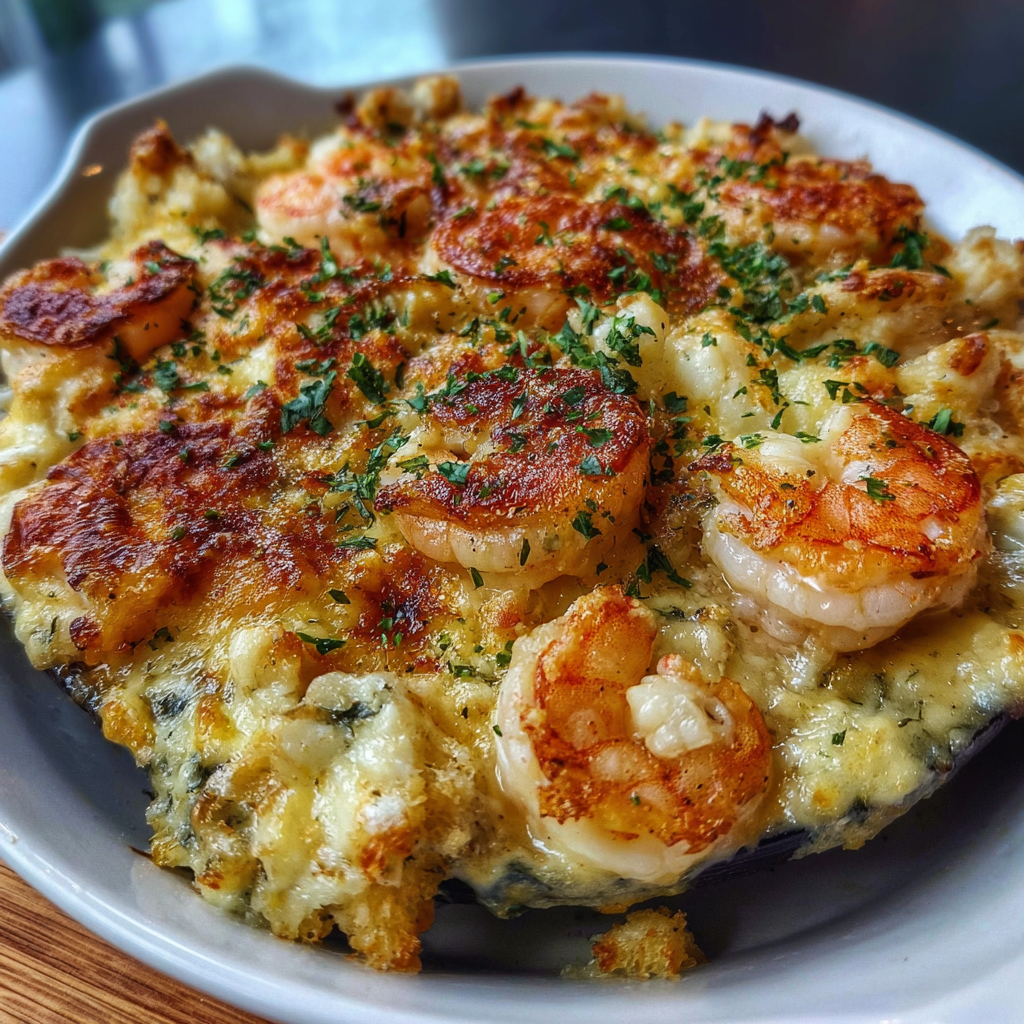
Combine the panko, Parmesan, melted butter, lemon zest, parsley, and smoked paprika in a small bowl. Toss until every breadcrumb is coated in butter — this ensures even, deep browning across the entire surface rather than patchy golden spots over dry white areas. Scatter the topping evenly over the gratin in a generous, even layer. Bake at 400°F (200°C) for 18–22 minutes until the topping is deeply golden, the sauce is visibly bubbling at the edges, and the shrimp are pink and cooked through. Switch to the broiler for the final 2–3 minutes if the topping needs additional color — watch closely.
Step 5: Rest and Serve
Remove from the oven and rest for 5 minutes — the sauce continues to bubble and set slightly during this period and portions more cleanly after a brief rest. Garnish with fresh parsley and serve directly from the gratin dish with crusty bread for sauce-mopping and lemon wedges alongside.
Nutritional Information
Per serving — based on 4 servings without bread.
| Nutrient | Per Serving | % Daily Value* |
|---|---|---|
| Calories | 520 kcal | 26% |
| Total Fat | 30g | 38% |
| Saturated Fat | 16g | 80% |
| Total Carbohydrates | 18g | 7% |
| Total Sugar | 3g | — |
| Protein | 42g | 84% |
| Dietary Fiber | 1g | 4% |
| Sodium | 680mg | 30% |
| Potassium | 760mg | 16% |
| Omega-3 Fatty Acids | 1.8g | — |
| Vitamin B12 | 80% DV | 80% |
| Selenium | 70% DV | 70% |
| Zinc | 25% DV | 25% |
*Based on a standard 2,000-calorie daily diet.
The Vitamin B12 content — 80% of the daily recommended value per serving — is among the highest of any recipe in this series and reflects the exceptional B12 density of the combined shrimp, scallop, and white fish combination. Selenium at 70% of the daily recommended value supports thyroid function, immune response, and antioxidant defense.
Healthier Alternatives
Lower fat sauce: Replace heavy cream with evaporated skim milk and reduce the butter to 2 tablespoons. Add 1 teaspoon of cornstarch dissolved in the stock before adding to compensate for the reduced thickening power of lower-fat milk. The sauce will be slightly less rich but entirely cohesive and flavorful.
Dairy-free: Replace butter with olive oil, cream with full-fat coconut cream, and Parmesan in the topping with nutritional yeast combined with fine almond flour. The flavor profile shifts subtly but remains deeply savory and satisfying.
Gluten-free: Replace the all-purpose flour in the roux with a gluten-free 1:1 flour blend or 2 tablespoons of cornstarch dissolved in cold stock. Use certified gluten-free panko breadcrumbs for the topping.
Lower calorie: Reduce the cream to ½ cup and increase the stock to 1 cup. The sauce will be slightly thinner but can be compensated by adding an extra teaspoon of cornstarch slurry. Reduces calories per serving by approximately 80.
Additional vegetables: Add 1 cup of finely diced leek sautéed with the shallots, or fold in ½ cup of frozen peas and a handful of baby spinach into the sauce before pouring over the seafood. Both additions increase fiber and micronutrient density without disrupting the flavor profile.
Serving Suggestions
Individual ramekins for dinner parties: Divide into six individual gratin ramekins for an elegant starter that can be assembled up to 4 hours ahead and baked to order. This format allows each guest to receive their own golden, bubbling, perfectly portioned gratin — a presentation that consistently generates the strongest table reaction.
With a simple green salad: A lightly dressed salad of butter lettuce, shaved fennel, and a lemon vinaigrette alongside the gratin creates a complete, balanced meal that contrasts the richness of the cream sauce with something cool and acidic.
Over pasta or rice: Spoon the gratin — sauce, seafood, and all — over freshly cooked linguine, tagliatelle, or steamed jasmine rice. The sauce behaves beautifully as a pasta or rice sauce and transforms the gratin into a more substantial, family-style meal.
As a vol-au-vent filling: Spoon the completed gratin filling into pre-baked puff pastry vol-au-vent shells for a retro-elegant dinner party canapé or starter that looks considerably more technically demanding than it is.
With roasted asparagus: Serve alongside roasted asparagus spears dressed with lemon and olive oil. The grassy, slightly bitter asparagus cuts through the richness of the cream sauce and the combination is a classically French bistro pairing.
Common Mistakes to Avoid
Not drying the seafood thoroughly. Wet seafood releases moisture during cooking that dilutes the sauce, prevents the topping from crisping, and produces a watery, thin result rather than the glossy, coating sauce the recipe is designed around. Pat every piece dry — every time.
Skipping the scallop sear. Raw scallops baked directly in cream sauce release significant moisture and steam rather than developing any flavor of their own. The 60-second sear is brief but creates both a flavor-contributing crust and a moisture barrier that protects the sauce from dilution.
Under-seasoning the sauce. The sauce needs to be generously seasoned before being poured over the seafood — the breadcrumb topping and the unseasoned raw seafood both dilute the flavor of the sauce during baking. Season the sauce more assertively than tastes correct before assembly.
Not buttering the breadcrumbs. Dry panko on top of a gratin browns unevenly, remains partially white, and lacks the unified golden crust that makes a gratin visually and texturally compelling. Every breadcrumb must be coated in melted butter before going onto the dish.
Overbaking. Seafood overcooks quickly — shrimp go from perfectly tender to rubbery in 2–3 minutes beyond the ideal point. The gratin is done when the topping is golden and the sauce is bubbling at the edges, not when the interior looks fully set. Err toward the shorter end of the baking time and check early.
Storing Tips
Refrigerator: Store cooled gratin covered tightly with plastic wrap for up to 2 days. The seafood texture softens slightly during storage but the flavor of the sauce develops further. Reheat covered with foil at 350°F (175°C) for 15 minutes, then uncover for 5 minutes to re-crisp the topping.
Reheating: Oven reheating is strongly preferred over microwave — the microwave steams the breadcrumb topping into a soggy layer that cannot be restored. The oven with a brief uncovered final stage restores most of the original crust texture.
Freezer: Not recommended for the assembled gratin — seafood textures deteriorate significantly after freezing and thawing in a cream sauce. The sauce alone can be made and frozen for up to 1 month; combine with fresh seafood on the day of baking.
Make-ahead: Assemble the entire gratin — sauce, seafood, and topping — up to 4 hours ahead and refrigerate unbaked. Add 5 minutes to the baking time when cooking straight from cold. This make-ahead window makes it one of the most practical dinner party dishes available.
Conclusion
Baked seafood gratin proves that fine dining elegance and weeknight practicality are not mutually exclusive. Tender shrimp, scallops, and white fish in a wine-enriched cream sauce beneath a golden Parmesan-panko crust — 45 minutes, one baking dish, and a result that earns its place at any table from a casual Tuesday to a celebratory Saturday.
Make it and share your results in the comments — tell us which seafood combination you used, whether you made individual ramekins or one large gratin, and how it compared to your favorite restaurant version. Leave a review, share with someone who loves seafood, and subscribe to our newsletter for more elegant, achievable recipes every week.
FAQs
Can I use frozen seafood? Yes — frozen shrimp and fish work well when thawed correctly. Thaw overnight in the refrigerator, then drain and dry thoroughly on paper towels before using. Frozen scallops require particular attention to drying as they release more moisture than fresh. The quality difference between properly thawed frozen seafood and fresh is minimal in a cream sauce application.
What white wine works best in the sauce? A dry, unoaked white wine — Sauvignon Blanc, Pinot Grigio, or a dry Chardonnay — produces the cleanest, most refined flavor. Avoid sweet wines, which make the sauce cloying, and heavily oaked Chardonnay, which can add a bitter, tannic note. The general rule applies: cook with a wine you would drink.
Can I make this without scallops? Absolutely. Replace the scallops with an equal weight of additional shrimp, lobster tail pieces, crab meat, or firm fish. The gratin format is accommodating — the sauce and topping work equally well with any combination of quality seafood.
How do I prevent the sauce from becoming too thick during baking? The sauce should be slightly thinner than your target finished consistency when poured over the seafood — it thickens further during baking as the seafood releases juices and the oven heat reduces the liquid. If it looks too thick before baking, thin with a splash of additional stock.
Can I prepare this in individual ramekins? Absolutely — individual 200–250ml ramekins produce an elegant, restaurant-style presentation and reduce the baking time to 14–16 minutes. This format is ideal for dinner parties as each portion is perfectly self-contained and arrives at the table with its own golden, individual crust.
Is this recipe suitable for someone with a shellfish allergy? Replace the shrimp and scallops entirely with firm white fish — a combination of cod, halibut, and salmon works particularly well — and use chicken or vegetable stock in place of seafood stock. The result is a fish gratin rather than a mixed seafood gratin, equally delicious and entirely shellfish-free.