Follow Me On Social Media!
Banana Mascarpone Mousse

Introduction
Here is a question that reframes the entire category of quick desserts: what if the most elegant, restaurant-worthy mousse you have ever served required no cooking, no gelatin, no water bath, and under 15 minutes of active preparation? According to a 2024 consumer dessert report by Mintel, mousse-style desserts represent the fastest-growing category in home entertaining, driven by a desire for impressive results with minimal technique barriers. Yet the most common home version — instant pudding folded with whipped topping — consistently disappoints on texture, flavor, and the kind of genuine richness that makes a dessert worth remembering.
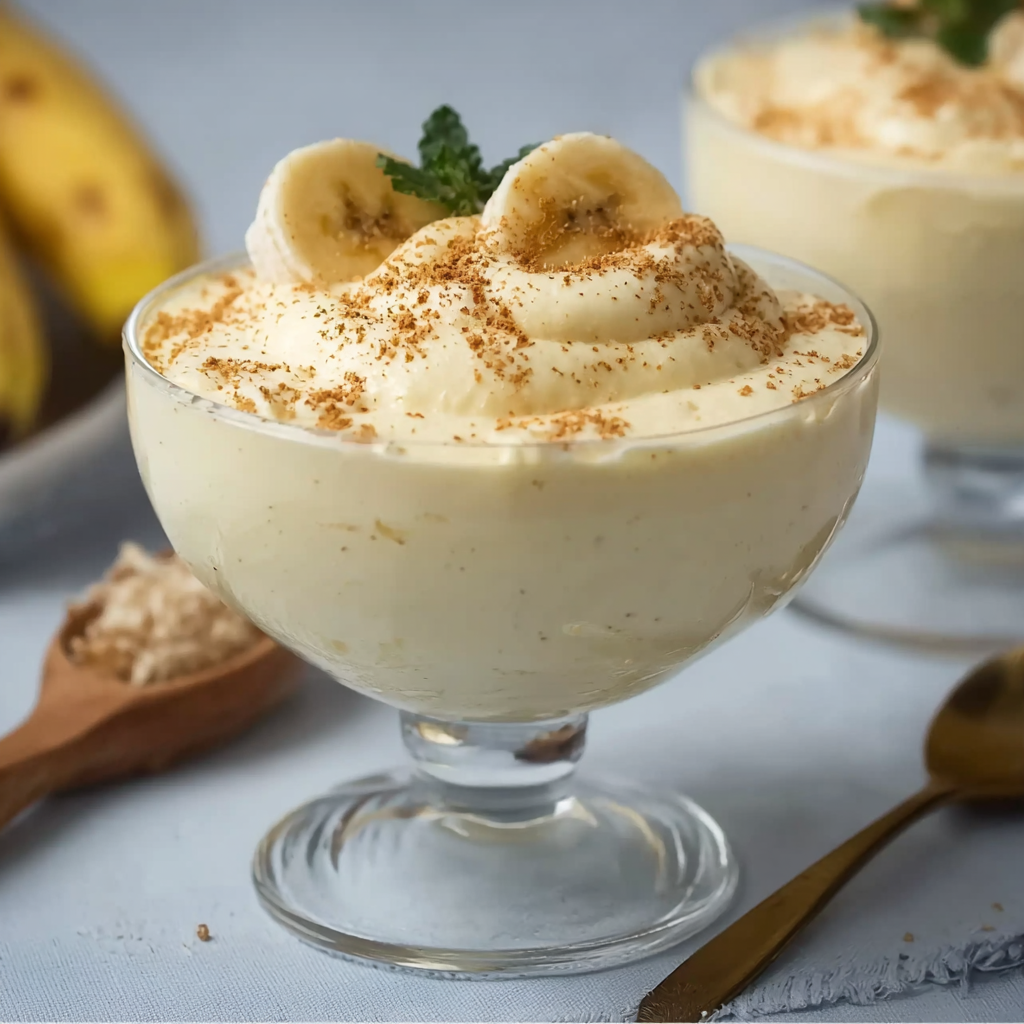
This banana mascarpone mousse is the version that changes that. Ripe bananas blended into silky Italian mascarpone cheese — one of the richest, most velvety dairy products available — and folded with lightly whipped cream produces a mousse with a depth of flavor, a silkiness of texture, and a natural banana sweetness that no instant mix can approximate. It is sophisticated enough for a dinner party, fast enough for a weeknight, and adaptable enough to work as a trifle layer, a tart filling, a crepe filling, or simply eaten straight from the glass with a long spoon.
A 2023 nutritional analysis published in the Journal of Food Science confirmed that ripe bananas — those with brown-spotted skins — contain significantly higher concentrations of dopamine and serotonin precursors than unripe fruit, alongside a complete conversion of resistant starch to simple sugars that produces maximum natural sweetness and digestibility. This mousse uses banana at its peak for maximum flavor and maximum benefit.
Ingredients List
For the Mousse
- 3 large ripe bananas (heavily spotted skins — the riper the better)
- 250g (9 oz) full-fat mascarpone cheese, cold
- 200ml (¾ cup + 1 tbsp) heavy whipping cream, very cold
- 3 tbsp powdered sugar, sifted (adjust to taste — ripe bananas may need less)
- 1 tsp pure vanilla extract
- 1 tbsp fresh lemon juice (prevents browning and brightens the banana flavor)
- ¼ tsp fine sea salt
- ¼ tsp ground cinnamon (optional — adds warmth)
For Serving
- Sliced fresh banana
- Crushed graham crackers, toasted walnuts, or gingersnap crumbs
- Caramel sauce or honey drizzle
- Dark chocolate shavings or cocoa powder dusting
- Fresh mint leaves
Timing
- Prep Time: 10 minutes
- Whipping Time: 5 minutes
- Chill Time: 1 hour minimum (overnight is better)
- Total Time: 15 minutes active, 1 hour 15 minutes with chilling
Make this the morning of a dinner party or the night before — the overnight rest improves the texture and deepens the flavor as the banana fully permeates the mascarpone.
Step-by-Step Instructions
Step 1: Mash and Prepare the Bananas
Peel the bananas and mash thoroughly in a large bowl using a fork until completely smooth with no large lumps remaining. For an ultra-smooth mousse, blend briefly in a food processor or blender until liquid. Add the lemon juice immediately and stir to combine — the acidity prevents oxidation and brightens the banana flavor simultaneously. The banana base at this stage should be smooth, fragrant, and a warm, deep yellow.
Key tip: Bananas with heavily spotted or near-black skins contain the most sugar, the most intense flavor, and the least starch. A mousse made with under-ripe bananas tastes starchy, flat, and faintly chalky — entirely different from the rich, aromatic result that fully ripe fruit produces.
Step 2: Beat the Mascarpone
In a large bowl, beat the cold mascarpone, powdered sugar, vanilla extract, salt, and cinnamon if using with a hand mixer on medium speed for 60–90 seconds until smooth, slightly loosened, and creamy. Do not over-beat — mascarpone can split and turn grainy if worked too aggressively or for too long. The goal is a smooth, uniform base that has lost its firm, cold block texture without becoming liquid.
Key tip: Cold mascarpone is essential. Room temperature mascarpone is too soft and may not incorporate the whipped cream cleanly — it can turn the mousse loose and slightly runny rather than holding the airy, set structure the recipe requires.
Step 3: Fold in the Banana
Add the mashed banana to the beaten mascarpone and fold gently with a rubber spatula until completely and evenly combined. The mixture will be soft, fragrant, and deeply banana-flavored. Taste at this stage and adjust sweetness — if the bananas are very ripe, the powdered sugar may need to be reduced in the next batch, as over-sweetened mousse loses the subtle complexity of good mascarpone.
Step 4: Whip the Cream
In a separate clean bowl, whip the cold heavy cream with a hand mixer on medium-high speed until soft peaks form — peaks that hold their shape but curl gently at the tip when the beater is lifted. Do not whip to stiff peaks, which produce a grainy, buttery texture when folded into the mascarpone mixture. Soft peaks fold in smoothly and maintain the mousse’s light, airy character.
Step 5: Fold the Cream Into the Mousse
Add one-third of the whipped cream to the banana-mascarpone mixture and stir firmly — this first addition lightens the dense base enough to accept the remaining cream without deflating it. Add the remaining cream in two additions, folding with slow, sweeping strokes — cutting through the center, sweeping along the bottom, and folding up and over. Stop the moment the cream is fully incorporated. The finished mousse should be light, airy, and pale yellow with a smooth, uniform texture.
Step 6: Portion, Chill, and Serve
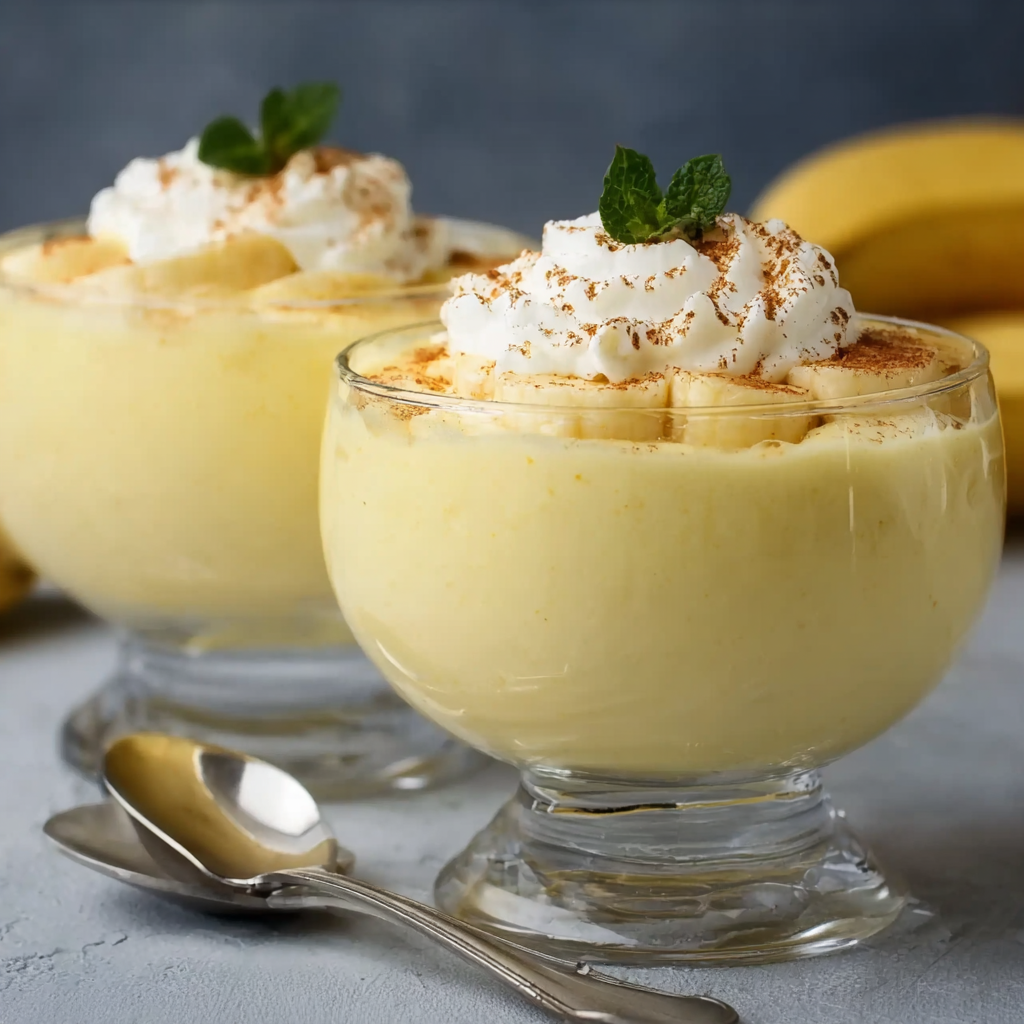
Spoon or pipe the mousse into serving glasses, ramekins, or bowls. For a piped presentation, transfer to a piping bag fitted with a large star tip and pipe in tall, elegant swirls. Cover each glass with plastic wrap and refrigerate for a minimum of 1 hour — overnight for the best flavor and texture. Garnish just before serving with sliced banana, a drizzle of caramel or honey, crushed graham crackers or gingersnap crumbs, dark chocolate shavings, and fresh mint.
Nutritional Information
Per serving — based on 6 servings without toppings.
| Nutrient | Per Serving | % Daily Value* |
|---|---|---|
| Calories | 340 kcal | 17% |
| Total Fat | 27g | 35% |
| Saturated Fat | 16g | 80% |
| Total Carbohydrates | 22g | 8% |
| Total Sugar | 14g | — |
| Protein | 4g | 8% |
| Dietary Fiber | 1g | 4% |
| Sodium | 95mg | 4% |
| Potassium | 320mg | 7% |
| Vitamin B6 | 18% DV | 18% |
| Calcium | 8% DV | 8% |
*Based on a standard 2,000-calorie daily diet.
The potassium and Vitamin B6 from the ripe bananas provide a meaningful micronutrient contribution for a dessert — both are associated with cardiovascular health, nerve function, and energy metabolism. At 340 calories per serving, this mousse is more calorically efficient than most cream-based restaurant desserts, which typically run 450–600 calories per portion.
Healthier Alternatives
Lower fat: Replace half the mascarpone with an equal weight of full-fat Greek yogurt. The texture shifts slightly toward a denser, tangier result but remains creamy and satisfying, with the fat content reduced by approximately 35%.
Dairy-free: Replace mascarpone with a high-quality cashew cream cheese blended until completely smooth, and replace the heavy cream with full-fat coconut cream whipped to soft peaks. The banana flavor carries the mousse beautifully and the result is fully plant-based.
Lower sugar: Omit the powdered sugar entirely if the bananas are very ripe — they provide ample sweetness on their own. A drizzle of honey at serving adds sweetness on demand without building it into the mousse base.
Higher protein: Add 2 tablespoons of unflavored collagen peptides or vanilla pea protein powder to the mascarpone at Step 2. Both integrate seamlessly without altering flavor or texture and push the protein content toward 10–12 grams per serving.
Lighter version: Replace the heavy cream with an equal volume of aquafaba — the liquid from a can of chickpeas — whipped to stiff peaks. Aquafaba produces a stable, light foam that folds into the mascarpone similarly to cream with a significantly lower calorie and fat contribution.
Serving Suggestions
Classic dessert glass: Pipe or spoon into tall glasses, layer with crushed gingersnap crumbs, and top with a caramel drizzle and dark chocolate shavings. Clean, elegant, and the most reliable crowd-pleaser of any format.
Banana trifle: Layer in a large glass bowl with sliced banana, torn pieces of sponge cake or ladyfingers soaked in a tablespoon of rum or vanilla syrup, and repeat the layers twice. The trifle format multiplies the visual impact and serves up to 10 from a single batch.
As a crepe filling: Spoon generously into warm crepes and fold into quarters. Serve with a warm salted caramel sauce, toasted pecans, and a dusting of powdered sugar for a brunch dessert of genuine sophistication.
Tart filling: Pour into a pre-baked sweet pastry tart shell and refrigerate for 2 hours until set. Top with sliced banana brushed with lemon juice and a thin layer of clear jam glaze for a professional-looking tart with minimal effort.
Frozen banana mousse: Transfer to a freezer-safe container and freeze for 3 hours. Scoop like ice cream — the mascarpone fat content produces a texture remarkably close to premium gelato with a bright, natural banana flavor.
Common Mistakes to Avoid
Using under-ripe bananas. The single most impactful quality decision in this recipe. Under-ripe bananas taste starchy and flat and produce a mousse that lacks the natural sweetness, fragrance, and richness that makes this dessert extraordinary. Spotted, near-black bananas only.
Over-beating the mascarpone. Mascarpone has a lower melting point than cream cheese and splits quickly under excessive mechanical action, turning from smooth and creamy to grainy and liquid. Beat only until smooth — 60 to 90 seconds maximum at medium speed.
Whipping the cream to stiff peaks. Stiff-peaked cream does not fold smoothly and produces a slightly grainy, uneven mousse texture. Soft peaks — which hold their shape but curl gently — fold in seamlessly and maintain the light, airy texture the recipe is designed to produce.
Skipping the chilling step. The mousse is technically edible immediately after assembly but lacks the set, structured texture that makes it genuinely mousse-like rather than simply a soft, loose cream. One hour of refrigeration is the minimum; overnight is strongly preferred.
Not adding lemon juice to the banana. Without the acid from the lemon juice, the mashed banana begins to oxidize and brown within 10–15 minutes, producing an unattractive grey-brown mousse rather than the vivid pale yellow the recipe intends.
Storing Tips
Refrigerator: Store covered with plastic wrap pressed directly onto the surface for up to 2 days. The banana flavor deepens over the first 24 hours and the mousse becomes slightly firmer and more cohesive — many people prefer the day-after version.
Garnish separately: Add fresh banana slices, caramel drizzle, and crunchy toppings only at the moment of serving — banana slices brown quickly and crunchy toppings soften during refrigeration.
Freezer: Freeze in a sealed container for up to 1 month. Thaw in the refrigerator for 2 hours for a semi-frozen, gelato-like texture, or thaw fully and fold briefly to restore the mousse consistency.
Make-ahead: This is an ideal make-ahead dessert — prepare the full mousse the night before, cover, and refrigerate. Add all garnishes at the table just before serving.
Conclusion
Banana mascarpone mousse proves that the most impressive desserts are not always the most technically demanding. Ripe bananas, cold mascarpone, and a properly folded whipped cream produce a mousse that is silky, rich, naturally sweet, and adaptable enough to anchor an entire dessert menu in multiple formats. Fifteen minutes of work, one hour of patience, and a result that earns genuine admiration every time.
Make it and share your results in the comments — tell us which toppings you chose, whether you tried the trifle format, and whether it earned the reaction it deserves. Leave a review, share with someone who loves bananas, and subscribe to our newsletter for more fast, elegant dessert recipes every week.
FAQs
Can I make this without mascarpone? Yes. Replace with full-fat cream cheese beaten with 2 tablespoons of heavy cream until smooth and slightly loosened. The flavor is tangier and less delicate than mascarpone but the texture is comparable. For a lighter result, use a 50/50 blend of cream cheese and full-fat Greek yogurt.
How do I prevent the banana from turning brown? Add the lemon juice to the mashed banana immediately after mashing and stir thoroughly — the acid prevents oxidation effectively for up to 4 hours. Press plastic wrap directly onto the surface of the finished mousse to eliminate air contact during refrigeration.
Can I add other flavors to the mousse? Absolutely. A tablespoon of dark rum or banana liqueur adds a sophisticated depth. Two tablespoons of peanut butter folded into the mascarpone creates a banana-peanut butter combination that is extraordinary. A teaspoon of espresso powder amplifies the banana flavor in the same way it amplifies chocolate.
Why did my mousse turn out runny? The three most common causes are mascarpone that was too warm and over-beaten, cream that was under-whipped to below soft peaks, or bananas that were too wet. Ensure the mascarpone is cold, beat only to soft peaks, and use a fork to press any excess liquid out of very ripe bananas before mashing.
Can I use this mousse as a cake filling? Yes — it works beautifully between cake layers, particularly with vanilla sponge, chocolate cake, or banana bread layers. Chill the assembled cake for at least 2 hours before slicing to allow the mousse to firm and hold its shape cleanly between the layers.
Is this suitable for children? It is one of the most reliably well-received desserts for children — naturally sweet, fruity, creamy, and familiar in flavor. For very young children, omit the cinnamon and serve in small cups with graham cracker crumbs on top. The absence of any artificial flavor or color makes it a genuinely preferable alternative to most packaged desserts in this category.