Follow Me On Social Media!
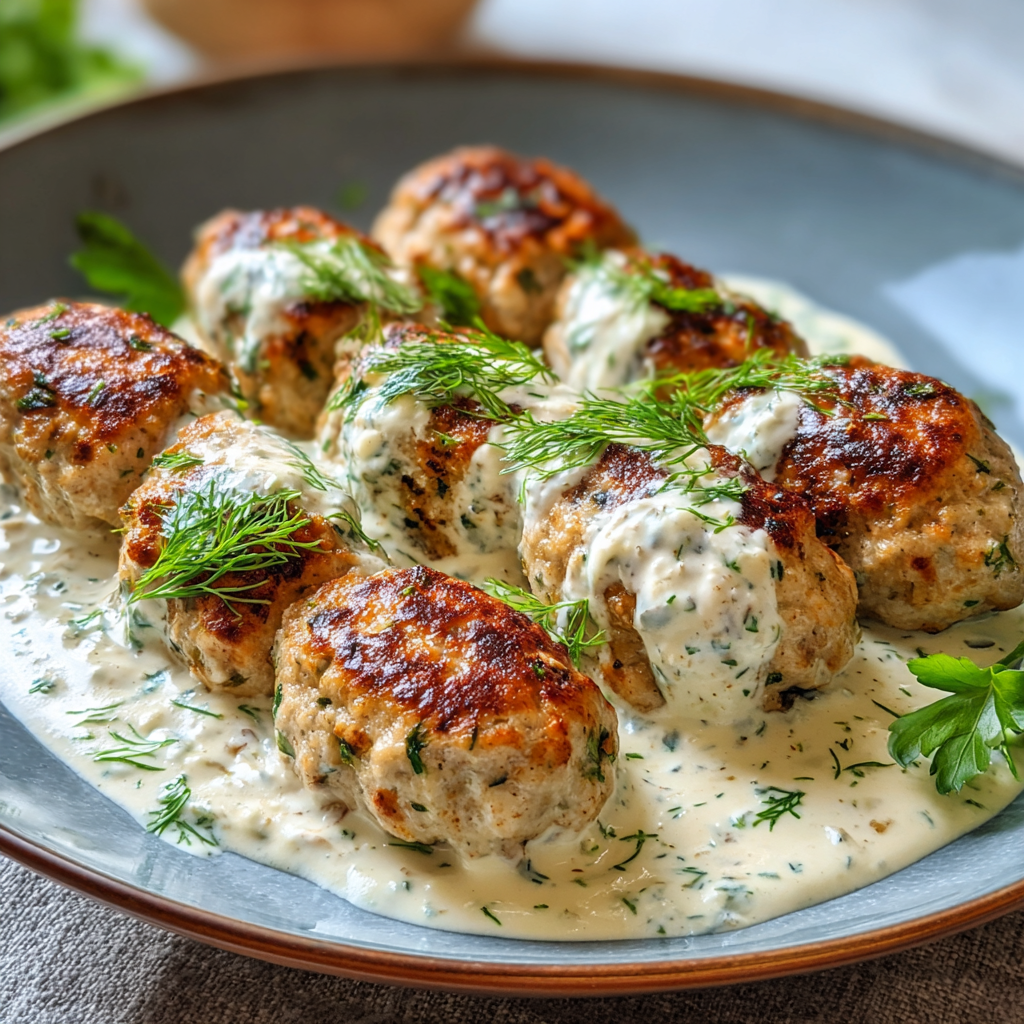
Chicken Kofta with Garlic Yogurt Sauce

Introduction
Here is a question that cuts straight to the heart of flavor-forward cooking: when was the last time a recipe with fewer than fifteen ingredients transported you somewhere genuinely different — somewhere warm, fragrant, and unmistakably Middle Eastern — within the first few minutes of cooking? According to a 2024 consumer trend report by Datassential, Middle Eastern and Eastern Mediterranean flavors represent the fastest-growing cuisine category in American home cooking, with a 49% increase in recipe searches over the past three years driven by a growing recognition that the spice combinations, herb-forward profiles, and yogurt-based accompaniments of this culinary tradition produce some of the most deeply satisfying food in the world. This chicken kofta with garlic yogurt sauce is one of the finest introductions to that tradition a home kitchen can offer.
Kofta — seasoned ground meat mixed with aromatic spices and herbs, shaped and cooked at high heat — is one of the oldest and most universal dishes in human culinary history, appearing in variations from Morocco to India to Turkey. The chicken version produces a leaner, lighter kofta than the traditional lamb or beef versions without sacrificing any of the flavor complexity that makes the format so compelling. A generous handful of fresh herbs, warm spices including cumin, coriander, and cinnamon, and the caramelized char of high-heat cooking create a result that is simultaneously simple and astonishing.
A 2023 nutritional analysis found that chicken kofta prepared with lean ground chicken and grilled rather than fried delivers over 35 grams of protein per serving at under 380 calories — making it one of the most protein-efficient, flavor-rich recipes in the entire Mediterranean and Middle Eastern cooking tradition.
Ingredients List
For the Chicken Kofta
- 700g (1.5 lbs) ground chicken (sub: ground turkey — use thigh meat for juicier results)
- 1 small onion, grated and squeezed dry (grating releases flavor; squeezing removes moisture)
- 4 garlic cloves, finely minced
- ¼ cup (15g) fresh flat-leaf parsley, very finely chopped
- 2 tbsp fresh mint, very finely chopped (sub: additional parsley)
- 1 tsp ground cumin
- 1 tsp ground coriander
- ½ tsp smoked paprika
- ½ tsp ground cinnamon
- ¼ tsp ground allspice
- ¼ tsp cayenne pepper (optional)
- 1 tsp fine sea salt
- ½ tsp freshly ground black pepper
- 1 tbsp olive oil (added to the mixture for moisture)
For the Garlic Yogurt Sauce
- 1 cup (240g) full-fat Greek yogurt
- 2 garlic cloves, finely minced or grated
- 2 tbsp fresh lemon juice
- 1 tbsp extra virgin olive oil
- 2 tbsp fresh dill or mint, finely chopped
- ¼ tsp fine sea salt
- Pinch of white pepper
For Serving
- Warm pita bread or flatbread
- Sliced cucumber and tomato
- Pickled red onion (quick-pickled in lemon juice and salt for 15 minutes)
- Fresh parsley and sumac, to garnish
- Lemon wedges
Timing
- Prep Time: 15 minutes
- Chilling Time: 30 minutes (recommended — firms the mixture for easier shaping)
- Cook Time: 12–15 minutes
- Total Time: 55–60 minutes (25 minutes without chilling)
The chilling step is optional but produces a meaningfully better result — firmer kofta that holds its shape during cooking and develops a more even, caramelized exterior. Use the chilling time to make the yogurt sauce, prepare the accompaniments, and warm the pita.
Step-by-Step Instructions
Step 1: Make the Garlic Yogurt Sauce
Combine the Greek yogurt, minced garlic, lemon juice, olive oil, fresh dill or mint, salt, and white pepper in a bowl. Stir thoroughly and taste — the sauce should be tangy, garlicky, creamy, and bright. The garlic flavor sharpens over time, so a sauce made 30 minutes ahead is notably more pungent than one made immediately before serving. Refrigerate until needed. This sauce improves with time and can be made up to 2 days ahead.
Step 2: Make the Kofta Mixture
Grate the onion on the fine side of a box grater directly into a clean kitchen towel. Gather the towel and squeeze firmly until no more moisture releases — this step is critical. Wet onion introduces excess moisture into the kofta mixture, preventing it from holding its shape and producing a final result that falls apart on the grill or pan. The grated, squeezed onion should be almost dry and paste-like.
Combine the dry-squeezed onion with the ground chicken, minced garlic, parsley, mint, cumin, coriander, smoked paprika, cinnamon, allspice, cayenne, salt, pepper, and olive oil in a large bowl. Mix with your hands until completely and evenly combined — approximately 2 minutes of mixing. The mixture should be cohesive and hold its shape when pressed together. If it feels too soft, add 1 tablespoon of breadcrumbs and mix briefly.
Key tip: Ground chicken has a higher moisture content than ground lamb or beef and requires more thorough squeezing of the onion and more careful handling. Mixing vigorously develops a light protein network that helps the kofta hold together — do not undermix.
Step 3: Shape the Kofta
Divide the mixture into 12 equal portions — approximately 60g each. Shape each portion into an oval cylinder approximately 8–10cm long and 3cm in diameter. For kofta skewers, thread each shaped portion onto a flat metal skewer or pre-soaked wooden skewer, pressing the meat gently around the skewer to adhere. For pan-cooked kofta, leave as free-form oval patties. Place on a parchment-lined tray and refrigerate for 30 minutes.
Step 4: Cook the Kofta
Grill method: Heat a grill or grill pan over high heat until smoking. Lightly brush the grill with oil. Cook the kofta for 3–4 minutes per side, turning twice, until well-charred on the outside and cooked through to 165°F (74°C) internally. The char marks and slightly smoky, caramelized exterior are the defining characteristic of great kofta — do not cook over insufficient heat.
Pan method: Heat 1 tablespoon of olive oil in a large heavy-bottomed skillet over medium-high heat. Cook the kofta in a single layer without crowding for 3–4 minutes per side until deeply golden-brown all over. Work in batches if necessary.
Key tip: Do not move the kofta during the first 3 minutes of cooking. The meat will release naturally from the surface once a proper crust has formed — attempting to move it earlier will cause it to tear and fall apart.
Step 5: Rest and Serve
Rest the cooked kofta for 3–5 minutes before serving — they will be juicier, hold together better, and have a more coherent internal texture after resting. Serve on warm pita with the garlic yogurt sauce spread generously underneath, fresh cucumber and tomato alongside, pickled red onion, a scattering of fresh parsley, a pinch of sumac, and lemon wedges for squeezing.
Nutritional Information
Per serving — based on 4 servings of 3 kofta each, without pita or accompaniments.
| Nutrient | Per Serving | % Daily Value* |
|---|---|---|
| Calories | 310 kcal | 16% |
| Total Fat | 16g | 21% |
| Saturated Fat | 4g | 20% |
| Total Carbohydrates | 5g | 2% |
| Total Sugar | 2g | — |
| Protein | 38g | 76% |
| Dietary Fiber | 1g | 4% |
| Sodium | 580mg | 25% |
| Potassium | 720mg | 15% |
| Vitamin B6 | 42% DV | 42% |
| Iron | 15% DV | 15% |
| Zinc | 18% DV | 18% |
*Based on a standard 2,000-calorie daily diet.
At 38 grams of protein and 310 calories per serving before accompaniments, chicken kofta delivers one of the strongest protein-to-calorie ratios in the grilled protein category. The combination of cumin, coriander, and cinnamon is not merely aromatic — all three contain meaningful concentrations of anti-inflammatory polyphenols that contribute a genuine functional food dimension to this dish.
Healthier Alternatives
Higher fat and juicier: Use ground chicken thigh meat rather than breast — it contains more intramuscular fat, produces a juicier kofta, and is less prone to drying out during the high-heat cooking the recipe requires.
Dairy-free sauce: Replace the Greek yogurt with a coconut yogurt or cashew cream base. Add an extra tablespoon of lemon juice to compensate for the reduced natural acidity of plant-based yogurt alternatives.
Gluten-free: The base recipe is naturally gluten-free. If breadcrumbs are needed to firm the mixture, use certified gluten-free panko. Serve with gluten-free flatbread or over rice rather than conventional pita.
Lower sodium: Reduce the salt to ½ teaspoon and compensate with an extra squeeze of lemon over the finished kofta and a more generous application of sumac, which adds a tangy, citrusy complexity without any sodium contribution.
Anti-inflammatory boost: Add ½ teaspoon of ground turmeric and an extra ½ teaspoon of ground ginger to the kofta mixture. Both integrate naturally into the existing spice profile, deepen the flavor, and add two of the most well-researched anti-inflammatory compounds in food science.
Serving Suggestions
Classic pita wrap: Spread the garlic yogurt sauce generously across a warm pita, add 3 kofta, and top with sliced tomato, cucumber, pickled onion, fresh parsley, and a pinch of sumac. Roll tightly and eat immediately — the most satisfying handheld format imaginable.
Mezze platter: Serve the kofta alongside hummus, tabbouleh, warm pita, sliced vegetables, and a bowl of the garlic yogurt sauce for dipping. A convivial, shareable spread that works for any gathering from casual to celebratory.
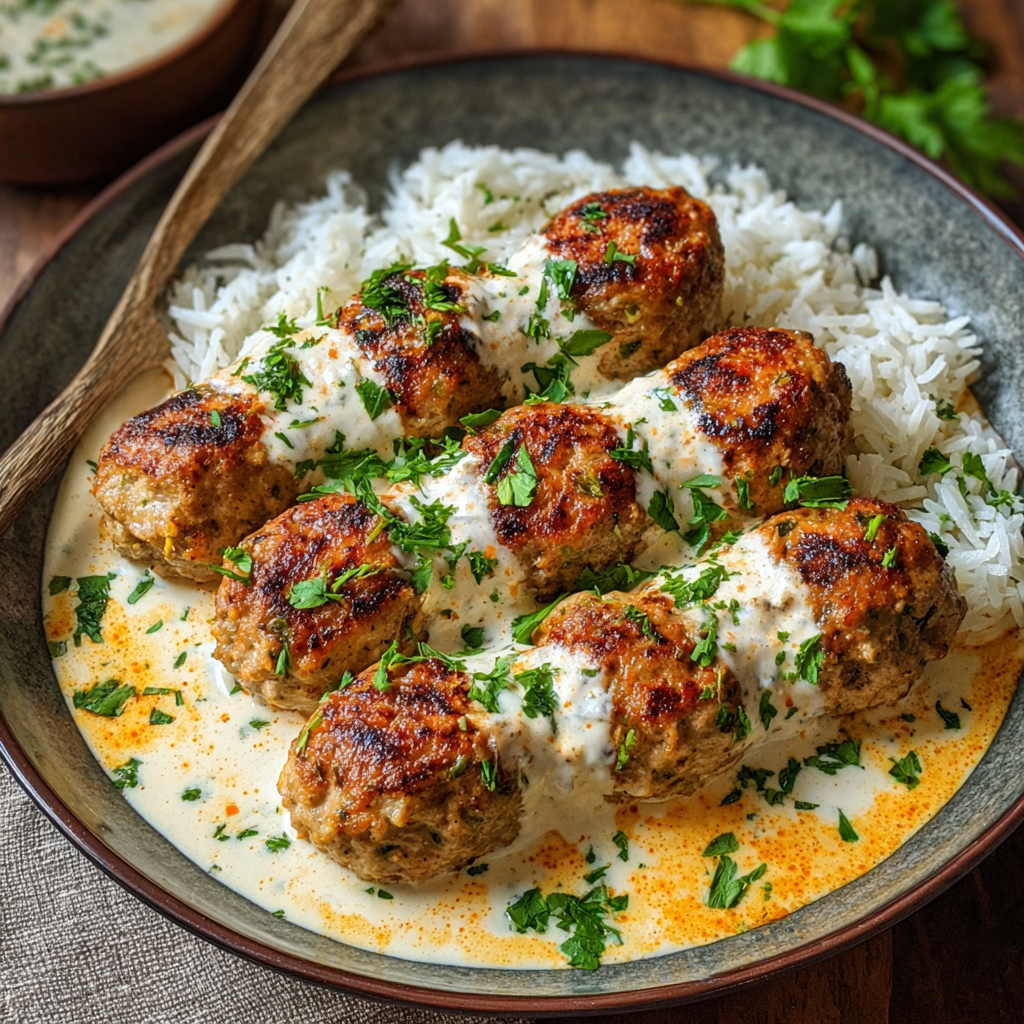
Over rice: Serve over steamed basmati or jasmine rice with the yogurt sauce spooned generously over the top, garnished with toasted pine nuts, a drizzle of olive oil, and a scattering of fresh parsley. This is the most substantial and filling format.
With roasted vegetables: Serve alongside roasted eggplant, zucchini, and cherry tomatoes dressed with olive oil and lemon. The roasted vegetables and the spiced kofta together with the cool yogurt sauce create a complete, balanced plate with a deeply Mediterranean character.
Kofta bowl: Build a bowl with a base of herbed couscous or bulgur wheat, add 3 kofta, top with the garlic yogurt sauce, pickled red onion, diced cucumber, and a generous drizzle of olive oil and sumac. A meal prep format that holds beautifully for 3 days refrigerated.
Common Mistakes to Avoid
Not squeezing the onion dry. This is the most impactful preparation step in the entire recipe. Wet onion introduces enough moisture to prevent the kofta from holding its shape during cooking and produces a crumbly, falling-apart result that no cooking technique can rescue. Squeeze until completely dry — it takes 30 seconds and makes an enormous difference.
Skipping the chill. Un-chilled ground chicken kofta is significantly harder to handle — the mixture is soft and sticky and tends to stick to the grill or fall apart during the first turn. Thirty minutes of refrigeration firms the fat and protein structure enough to produce a kofta that handles confidently and develops a better crust.
Cooking on insufficient heat. The caramelized, slightly charred exterior of well-made kofta is not just visual — it contributes a bittersweet, smoky depth that is fundamental to the dish’s character. A warm pan produces a pale, steamed result that tastes entirely different. High heat, properly preheated surface, every time.
Moving the kofta too soon. The kofta will stick initially to any cooking surface and release naturally once a crust has formed. Moving it before that crust forms tears the exterior and produces an uneven, fragmented result. Set a timer for 3 minutes and leave it completely undisturbed.
Under-seasoning the mixture. The seasoning must be assertive — ground chicken is mild and the spices, herbs, salt, and garlic need to be present in sufficient quantities to produce a kofta that tastes boldly spiced rather than politely flavored. Taste a small piece of the raw mixture if comfortable, or pan-fry a small test patty and taste before shaping the full batch.
Storing Tips
Refrigerator: Cooked kofta stores in an airtight container for up to 4 days. The spice flavors deepen and mellow overnight, making day-two kofta arguably better than freshly cooked. The garlic yogurt sauce keeps separately for up to 3 days — the garlic flavor intensifies over time.
Freezer: Raw shaped kofta freeze exceptionally well — freeze on a parchment-lined tray until solid, then transfer to a freezer bag for up to 3 months. Cook directly from frozen on a grill or pan, adding 4–5 minutes to the cooking time. Cooked kofta also freezes well for up to 2 months.
Reheating: Reheat cooked kofta in a hot skillet with a drizzle of oil for 2–3 minutes per side, or in a 350°F (175°C) oven for 10 minutes. The microwave works but produces a softer, less caramelized exterior than the stovetop or oven.
Make-ahead: The kofta mixture can be made and refrigerated covered for up to 24 hours before shaping and cooking — the flavors develop and deepen considerably overnight. Shape and cook on the day of serving for the freshest result.
Conclusion
Chicken kofta with garlic yogurt sauce proves that some of the most deeply satisfying food in the world comes from the simplest combinations of spice, herb, and high heat. Thirty-eight grams of protein, a spice profile built over centuries of culinary tradition, and a cooling garlic yogurt sauce that makes every bite complete — ready in under an hour, adaptable to any format from a casual weeknight wrap to a celebratory mezze spread.
Make these and share your results in the comments — tell us whether you grilled or pan-cooked, which accompaniments you chose, and whether the spice combination lived up to the promise. Leave a review, share with someone who loves Middle Eastern food, and subscribe to our newsletter for more bold, protein-forward recipes every week.
FAQs
Can I use ground turkey instead of ground chicken? Yes — ground turkey is an excellent substitute with a very similar flavor and fat profile. Use ground turkey thigh rather than breast for a juicier, more flavorful result. The technique, seasoning, and cooking times remain identical.
Why does my kofta keep falling apart? The three most common causes are insufficient squeezing of the onion, skipping the chill, and undermixing the kofta paste. Ensure the onion is squeezed completely dry, mix the kofta mixture for a full 2 minutes to develop the protein network, and refrigerate for at least 30 minutes before cooking. If still fragile, add 1 tablespoon of fine breadcrumbs and chill for an additional 15 minutes.
Can I bake the kofta instead of grilling? Yes — bake at 425°F (220°C) for 18–20 minutes on a lightly oiled rack set over a baking sheet, turning once at the halfway mark. The oven produces a less charred, more uniformly cooked result than the grill. For the closest approximation to grilled char, broil for the final 3–4 minutes.
Can I make these ahead for a party? Absolutely. Shape and refrigerate the raw kofta up to 24 hours ahead. Cook just before serving for the best texture and warmth, or cook up to 2 hours ahead and reheat briefly in a hot skillet. The yogurt sauce can be made 2 days ahead and actually improves as the garlic mellows and the flavors integrate.
What does sumac taste like and can I substitute it? Sumac is a ground dried berry with a tart, lemony, slightly astringent flavor that adds brightness to grilled meats and yogurt-based dishes without the sharpness of lemon juice. It is widely available in Middle Eastern groceries and most specialty food stores. If unavailable, a small squeeze of lemon juice and a pinch of lemon zest over the finished dish approximates its effect reasonably well.
Is this recipe suitable for meal prep? It is one of the best meal prep recipes in this series. Cook a full batch on Sunday, refrigerate the kofta and yogurt sauce separately, and build bowls or wraps throughout the week with fresh pita, vegetables, and sauce. The flavors improve over the first 24–48 hours and the components hold their quality for the full 4-day refrigerator window.