Follow Me On Social Media!
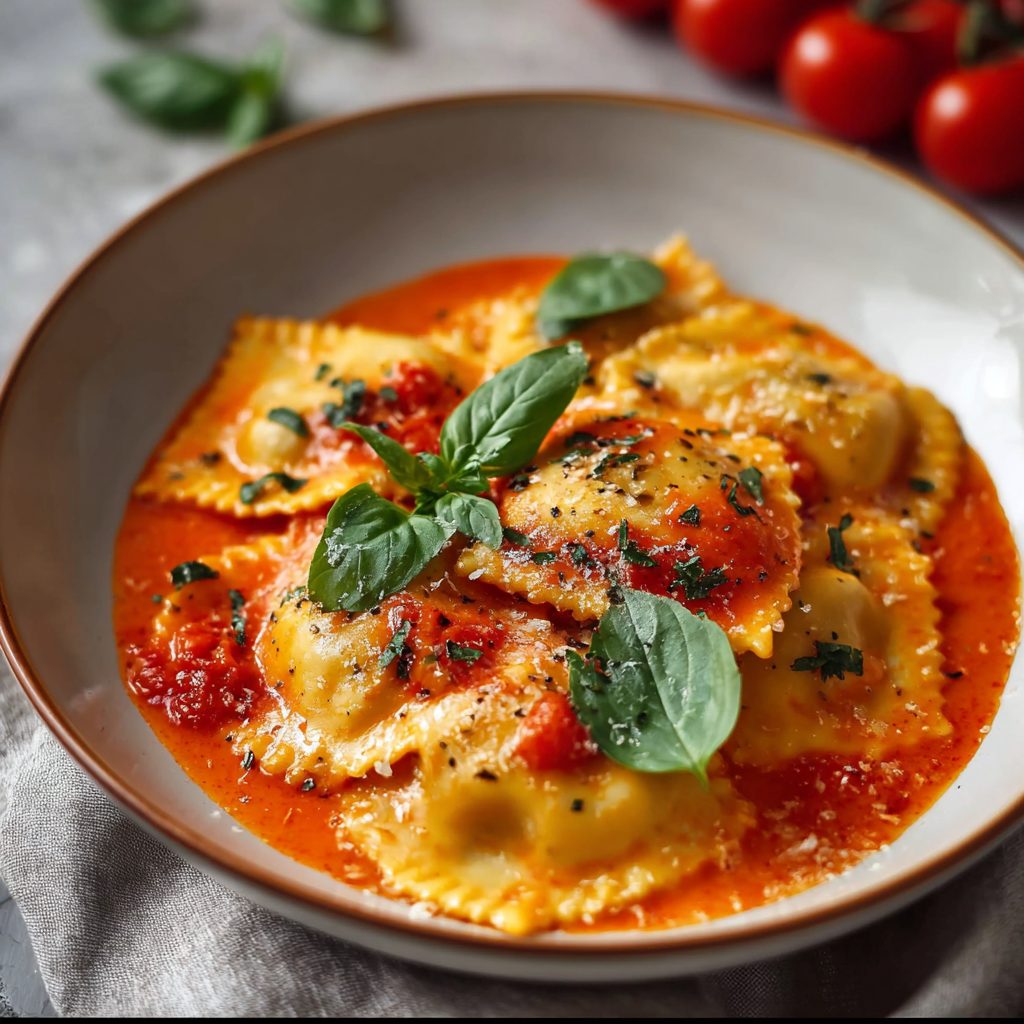
Creamy Tomato Sauce for Ravioli

Introduction
Here is a question that reframes the entire category of pasta sauces: why does the combination of tomato and cream — two of the most individually compelling flavors in Italian cooking — produce something so significantly greater than either achieves independently, and why does the version you can make at home in under 20 minutes consistently outperform the restaurant equivalent that costs four times as much and takes six times as long to arrive?
According to a 2024 consumer dining behavior report by the National Restaurant Association, pasta dishes with cream-tomato sauces rank as the single most reordered category in Italian casual dining — yet the home cook replication rate remains below 20%, with the primary barrier identified as the perception that achieving the sauce’s characteristic silkiness, depth, and balance requires either professional technique or an extended cooking time. This creamy tomato sauce for ravioli dismantles that perception completely.
The secret is threefold: high-quality San Marzano tomatoes that bring natural sweetness and low acidity, a generous amount of garlic bloomed in butter rather than olive oil for a rounder, more mellow aromatic base, and heavy cream added at precisely the right moment — after the tomato has reduced sufficiently to concentrate its flavor — so that the cream enriches rather than dilutes. The result is a sauce with a vivid color, a silky body, and a flavor balance between the brightness of the tomato and the richness of the cream that is simultaneously simple and deeply satisfying. It takes 20 minutes and makes every variety of ravioli — from cheese and spinach to lobster and butternut squash — taste like a restaurant dish.
A 2023 food science review in the journal Food Chemistry identified the fat-soluble lycopene in tomatoes as being significantly more bioavailable when cooked with cream or olive oil — the fat molecules carrying the lycopene across the intestinal wall far more efficiently than water — meaning this sauce delivers measurably more of tomato’s primary antioxidant compound than a plain tomato sauce of equivalent tomato content.
Ingredients List
For the Creamy Tomato Sauce
- 2 tbsp unsalted butter (butter rather than olive oil produces a rounder, more mellow garlic base)
- 1 tbsp extra virgin olive oil (combined with the butter — raises the smoke point and adds fruity complexity)
- 6 garlic cloves, finely minced
- ½ medium onion, very finely diced (optional — adds body; omit for a cleaner, more elemental sauce)
- 1 can (400g / 14 oz) San Marzano crushed tomatoes (the single most important ingredient upgrade — their natural sweetness and low acidity are the foundation)
- ½ cup (120ml) heavy cream
- ¼ cup (60ml) dry white wine (optional — adds brightness and complexity)
- 1 tsp granulated sugar (optional — balances acidity if tomatoes are not naturally sweet)
- ½ tsp fine sea salt, plus more to taste
- ¼ tsp freshly ground black pepper
- ¼ tsp red pepper flakes (optional — adds a gentle background heat)
- 1 tsp dried Italian seasoning or dried basil
- 2 tbsp fresh basil, thinly sliced (added at the very end — preserves volatile aromatic compounds)
- ¼ cup (25g) Parmesan, finely grated (stirred in at the end — enriches and thickens)
For Serving
- 500g (1.1 lbs) fresh or refrigerated ravioli (cheese and spinach, butternut squash, lobster, or meat-filled)
- Extra Parmesan for the table
- Additional fresh basil
- A drizzle of extra virgin olive oil
- Cracked black pepper
Optional Upgrades
- 2 tbsp vodka (added after the garlic — the vodka’s alcohol extracts flavor compounds that neither water nor fat can reach, producing a more complex tomato flavor than wine or stock)
- 100g (3.5 oz) pancetta or prosciutto, finely diced and rendered in the butter before the garlic
- 1 tbsp sun-dried tomato paste (stirred in with the crushed tomatoes — amplifies tomato intensity)
- 4 fresh cherry tomatoes, halved and blistered (added as a textural garnish)
Timing
- Prep Time: 5 minutes
- Cook Time: 18–20 minutes
- Total Time: 20–25 minutes
One of the fastest genuinely gourmet sauces available. Start the pasta water when the garlic goes into the pan — by the time the sauce is finished, the ravioli will be cooked and ready.
Step-by-Step Instructions
Step 1: Build the Aromatic Base
Melt the butter and olive oil together in a wide, heavy-bottomed skillet or saucepan over medium heat until the butter is completely melted and the mixture is beginning to shimmer. Add the finely diced onion if using and cook for 3–4 minutes until softened and translucent. Add the minced garlic and red pepper flakes and cook, stirring constantly, for 60–90 seconds until the garlic is golden and deeply fragrant — but not browned, which would introduce bitterness. The garlic cooked in butter rather than oil alone produces a distinctly rounder, more mellow flavor — the butter’s milk solids soften the sharp, acrid quality of raw garlic into something sweeter and more complex.
Key tip: The garlic is the most time-sensitive element of the entire recipe — it goes from golden and fragrant to burnt and bitter in under 30 seconds at medium heat. Keep the heat at medium — not medium-high — and stir continuously from the moment the garlic enters the pan.
Step 2: Deglaze and Add the Tomatoes
If using white wine or vodka, add it now and stir vigorously — the alcohol will sizzle and steam dramatically. Allow to reduce for 60–90 seconds until the sharp alcohol smell dissipates and the liquid reduces by approximately half. Pour in the crushed San Marzano tomatoes and stir to combine with the aromatic base. Add the dried Italian seasoning, salt, pepper, and sugar if using. The sauce will be relatively thin at this stage — the reduction process in the next step develops the correct body and concentrates the flavor.
Step 3: Reduce and Concentrate
Increase the heat slightly to medium-high and allow the tomato sauce to simmer actively, stirring every 2–3 minutes, for 8–10 minutes until the sauce has reduced by approximately one-third, thickened to a coating consistency, and the color has deepened from a bright orange-red to a deeper, more saturated crimson. This reduction is where the sauce develops its concentrated, deeply tomato-forward flavor — sufficient reduction time is the difference between a sauce that tastes of diluted canned tomatoes and one that tastes of concentrated, sweet, complex tomato. Taste and adjust salt and sugar during this phase.
Key tip: The sauce should be reduced to the correct consistency before the cream is added — adding cream to an under-reduced tomato sauce produces a pale, watery result where the cream dilutes rather than enriches. The tomato sauce should be thick enough to hold its shape briefly when a spoon is dragged through it before the cream is added.
Step 4: Add the Cream
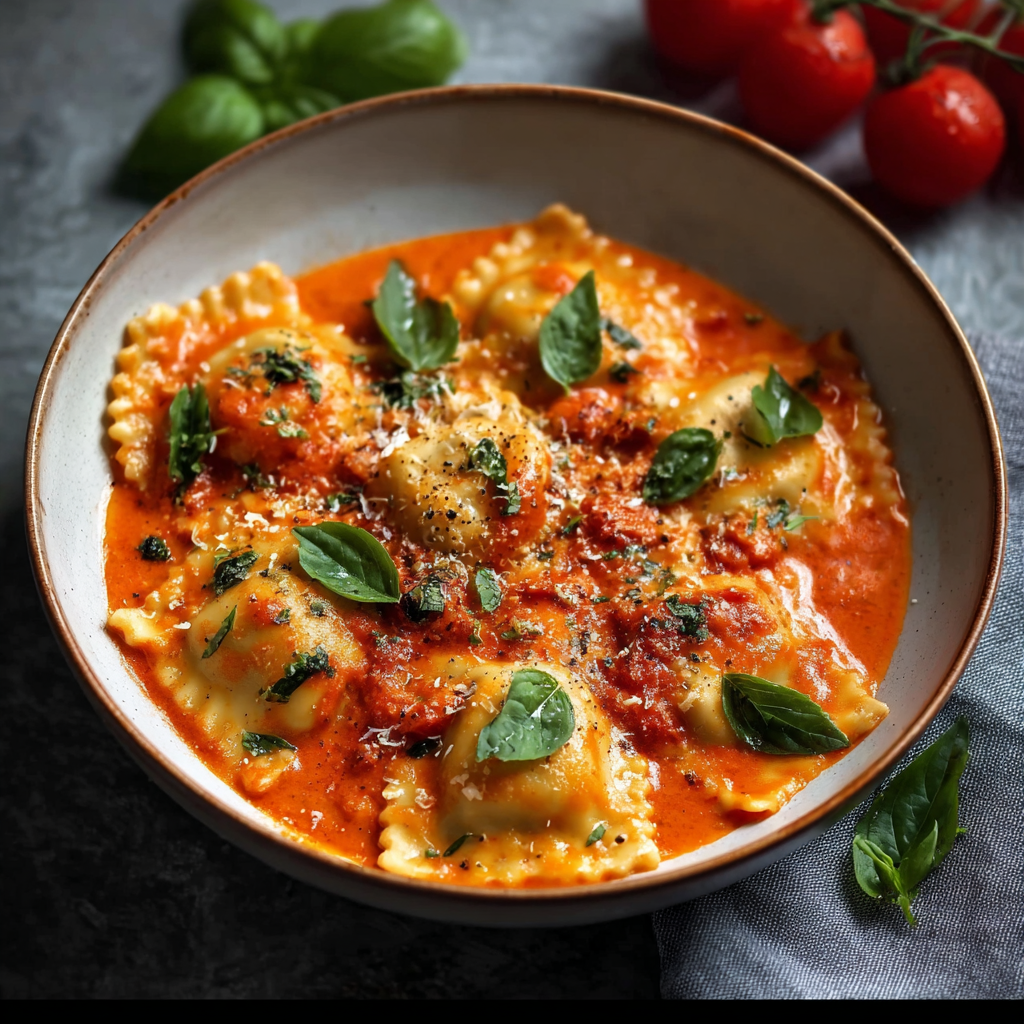
Reduce the heat to medium-low. Pour the heavy cream in a slow, steady stream while stirring continuously. The sauce will immediately lighten in color from crimson to a vibrant salmon-pink — this color shift is one of the most visually satisfying moments in the recipe. Stir for 1–2 minutes until the cream is fully incorporated and the sauce is completely smooth and uniform in color. Allow to simmer gently for 3–4 more minutes until the sauce thickens slightly and the cream and tomato have fully emulsified into a cohesive, silky sauce.
Key tip: Medium-low heat after adding the cream is essential — high heat causes the cream to separate from the tomato and produce an oily, broken sauce. Gentle heat allows the proteins in the cream to integrate gradually with the tomato’s water-soluble compounds and produce the characteristic silky, cohesive texture.
Step 5: Finish with Parmesan and Herbs
Remove from heat and stir in the grated Parmesan — it melts immediately into the hot sauce and adds both a savory, salty depth and a slight additional thickening effect from the cheese’s proteins. Add the fresh basil at this final moment rather than during cooking — heat destroys the volatile aromatic compounds in fresh basil within 30–60 seconds, and adding it off the heat or to the plated dish preserves the bright, peppery character that distinguishes fresh basil from its cooked version.
Taste the finished sauce for the final time — this is the most important tasting moment of the recipe. Adjust with additional salt, a pinch more red pepper flakes, or a small squeeze of lemon juice if the sauce seems flat despite correct sweetness and salt levels.
Step 6: Cook the Ravioli and Combine
Bring a large pot of generously salted water to a boil. Cook the ravioli according to package directions — most fresh ravioli take 3–4 minutes, refrigerated varieties 4–6 minutes. Before draining, reserve ½ cup of the starchy pasta cooking water. Drain the ravioli gently — they are more fragile than dried pasta and can break if handled roughly.
Add the drained ravioli directly to the sauce in the skillet and toss very gently to coat — add a splash of reserved pasta water if the sauce needs loosening to coat every piece evenly. The starchy pasta water emulsifies the sauce further and helps it cling to the pasta rather than pooling at the bottom of the dish.
Step 7: Plate and Serve
Divide between warm, wide bowls — warming the bowl beforehand in a low oven or by filling with hot water for 1 minute prevents the sauce from cooling and thickening immediately upon contact with a cold bowl. Drizzle with extra virgin olive oil, scatter additional fresh basil and grated Parmesan, and finish with cracked black pepper. Serve immediately.
Nutritional Information
Per serving — based on 4 servings with cheese and spinach ravioli.
| Nutrient | Per Serving | % Daily Value* |
|---|---|---|
| Calories | 580 kcal | 29% |
| Total Fat | 24g | 31% |
| Saturated Fat | 13g | 65% |
| Total Carbohydrates | 68g | 25% |
| Total Sugar | 8g | — |
| Protein | 22g | 44% |
| Dietary Fiber | 4g | 14% |
| Sodium | 720mg | 31% |
| Calcium | 25% DV | 25% |
| Vitamin C | 20% DV | 20% |
| Lycopene | High | — |
*Based on a standard 2,000-calorie daily diet.
The lycopene content — one of the most studied dietary antioxidants, associated in multiple large-scale studies with reduced cardiovascular disease risk and prostate cancer incidence — is significantly enhanced in this sauce by the fat-soluble cooking medium. Cooked tomatoes deliver more bioavailable lycopene than raw, and the cream and butter in this sauce increase that bioavailability further.
Healthier Alternatives
Lower fat: Replace the heavy cream with full-fat evaporated milk — it produces a comparable creaminess with approximately 60% less fat. The sauce will be slightly less rich in texture but entirely pleasant. Reduce the butter to 1 tablespoon and increase the olive oil by the same amount to shift the fat profile toward monounsaturated fats.
Dairy-free: Replace butter with olive oil, heavy cream with full-fat coconut cream or cashew cream, and Parmesan with nutritional yeast combined with a pinch of salt. The flavor profile shifts slightly but the cream-tomato combination remains compelling and the sauce is fully plant-based.
Higher protein: Add 100g of shredded rotisserie chicken or cooked, crumbled sausage to the sauce after the cream is incorporated. Alternatively, serve with a protein-enriched pasta — chickpea or lentil ravioli — to increase the protein content without modifying the sauce.
Lower sodium: Use low-sodium canned tomatoes and reduce the salt by half. The Parmesan contributes significant sodium — reduce it to 1 tablespoon or replace with a low-sodium cheese alternative. The garlic and herb components carry sufficient flavor to compensate for a meaningful salt reduction.
Vodka sauce variation: The optional vodka addition is not merely theatrical — vodka contains both water-soluble and fat-soluble molecules that extract flavor compounds from the tomato that neither cream nor stock alone can reach, producing a measurably more complex flavor. Add 2 tablespoons of good-quality vodka after the garlic, allow to cook for 90 seconds before adding the tomatoes, and the sauce achieves a depth that rewards the addition.
Serving Suggestions
With cheese and spinach ravioli: The classic pairing — the neutral, creamy filling of cheese and spinach provides the perfect canvas for the vibrant cream-tomato sauce, and the combination is one of the most universally appealing pasta dishes available.
With butternut squash ravioli: The natural sweetness of butternut squash filling against the acidity of the tomato and the richness of the cream creates a balance of flavors that is more sophisticated than either component suggests — a combination that consistently surprises guests who encounter it for the first time.
Tossed with gnocchi: The creamy tomato sauce clings to the pillowy surface of potato gnocchi with particular effectiveness — serve with additional Parmesan and torn fresh basil for a variation that uses the same sauce in a completely different context.
As a dipping sauce: Serve in a small warm bowl alongside fried mozzarella sticks, arancini, or breadsticks as a dipping sauce format that transforms this pasta sauce into a versatile appetizer component.
Over baked chicken: Spoon the creamy tomato sauce over pan-seared chicken breasts, top with mozzarella, and broil for 3–4 minutes until the cheese is golden. The same 20-minute sauce becomes the centerpiece of a completely different dinner.
Common Mistakes to Avoid
Burning the garlic. The garlic cooks in butter over medium heat for 60–90 seconds — beyond this window at this temperature, it transitions from golden and fragrant to brown and bitter. Keep the heat at medium and stir continuously. If the garlic begins to smell sharp or acrid rather than sweet and fragrant, it has gone too far and the sauce will carry that bitterness through every subsequent stage.
Adding cream to an under-reduced tomato base. The tomato sauce must be reduced to a coating consistency — thick enough to hold its shape briefly when a spoon is drawn through it — before the cream is added. Cream added to a thin, under-reduced tomato sauce produces a pale, watery result that tastes of diluted canned tomato rather than the concentrated, sweet tomato the recipe is built around.
Using low-quality canned tomatoes. The quality of the canned tomatoes is the quality of the finished sauce — there is no technique that can rescue a sauce built on watery, acidic, thin canned tomatoes. San Marzano tomatoes — DOP-certified, grown in the volcanic soil of Campania — have a natural sweetness and low acidity that produces a sauce requiring minimal adjustment. The additional cost over commodity canned tomatoes is the most worthwhile ingredient upgrade in this entire recipe.
Boiling the sauce after adding cream. The cream must be incorporated over medium-low heat — simmering gently rather than boiling. High heat after cream addition causes the emulsion to break and the fat to separate, producing an oily, curdled sauce that cannot be rescued.
Adding fresh basil during cooking. Fresh basil loses its volatile aromatic compounds within 60 seconds of heat exposure — the distinctive, peppery, slightly clove-like character of fresh basil that makes it irreplaceable is entirely absent from basil that has been cooked. Add at the very end, off the heat, for a sauce that smells and tastes of fresh basil rather than cooked herb.
Storing Tips
Sauce only: Store in an airtight container in the refrigerator for up to 4 days. The flavor deepens and improves overnight. Reheat gently over medium-low heat with a splash of cream or stock if it has thickened during refrigeration.
Assembled pasta: Store combined ravioli and sauce for up to 2 days — the ravioli continues to absorb the sauce during refrigeration, producing a dish that is more cohesive but less saucy on day two. Add additional sauce or a splash of cream when reheating.
Freezer: The sauce freezes well for up to 3 months without the ravioli — cream-based sauces may separate slightly upon thawing but re-emulsify with gentle reheating and stirring. Cook fresh ravioli on the day of serving. Do not freeze assembled ravioli in sauce — the pasta becomes waterlogged and the texture deteriorates significantly.
Reheating: Reheat the sauce gently in a covered saucepan over medium-low heat, adding a small amount of cream or stock if needed. For assembled pasta, reheat in a skillet over medium-low heat with a splash of water to create steam, stirring gently to prevent the ravioli from sticking or breaking.
Conclusion
Creamy tomato sauce for ravioli proves that the most elegant pasta dinner is frequently the simplest — built on high-quality San Marzano tomatoes, butter-bloomed garlic, and cream added at the precise moment when the tomato has reduced to its most concentrated and complex state. Twenty minutes, six core ingredients, and a sauce that produces the silence at the table that only genuinely great food earns.
Make it and share your results in the comments — tell us which ravioli filling you paired it with, whether you added the vodka, and whether it replaced your usual pasta sauce rotation. Leave a review, share with someone who loves pasta, and subscribe to our newsletter for more fast, deeply flavored, restaurant-quality recipes every week.
FAQs
Can I use fresh tomatoes instead of canned? Yes — use 600g of ripe, in-season plum or Roma tomatoes, roughly chopped, and cook for an additional 10 minutes of reduction time to compensate for the higher water content. Blanch and peel the tomatoes first for a smoother sauce. The flavor of in-season fresh tomatoes is extraordinary — arguably better than canned in peak summer. Out of season, San Marzano canned tomatoes consistently outperform fresh tomatoes of inferior quality.
What can I substitute for heavy cream? Full-fat evaporated milk is the most culinarily successful substitute — similar creaminess at lower fat content, and it does not break under heat as readily as lower-fat alternatives. Crème fraîche produces a tangier, more complex sauce. Half-and-half produces a lighter result. Plant-based alternatives — cashew cream or coconut cream — work in dairy-free applications with a slightly different but acceptable flavor profile.
How do I prevent the sauce from being too acidic? Three approaches work simultaneously: use San Marzano tomatoes, which are naturally low in acidity; add ½ teaspoon of sugar to the sauce during reduction, which balances acidity without making the sauce taste sweet; and cook the tomato base for the full 8–10 minutes of reduction, which converts acids in the tomato to sweeter compounds through the heat-mediated Maillard reaction. If the finished sauce is still too acidic, a pinch more sugar or a tablespoon of cream adjusted at the very end addresses it.
Can I make this sauce ahead for a dinner party? Yes — make the sauce up to 3 days ahead and refrigerate. On the day of serving, reheat gently, add a small amount of fresh cream if the consistency needs adjusting, and finish with fresh Parmesan and basil just before adding the freshly cooked ravioli. This make-ahead approach reduces the dinner party cooking to boiling water and cooking fresh ravioli — a 5-minute final step.
What is the best ravioli to pair with this sauce? Cheese and spinach ravioli is the most universally complementary pairing — the neutral, creamy filling allows the sauce to remain the primary flavor. Butternut squash ravioli produces the most sophisticated sweet-savory contrast. Meat-filled ravioli absorbs the cream-tomato combination well but creates a richer, more substantial result. Lobster ravioli with this sauce is a restaurant-caliber preparation that requires no modification to the recipe.
Why does my sauce look orange rather than the expected pink? The color of the finished sauce depends on the ratio of cream to tomato and the degree of tomato reduction. Less cream and more reduced tomato produces a deeper, more orange-toned sauce; more cream relative to tomato produces a lighter, pinker result. Both are correct at different ratios — the salmon-pink color is achieved at approximately ½ cup cream to 400g crushed tomatoes as specified. A more orange sauce is simply a less cream-forward version and is equally delicious.