Follow Me On Social Media!
Hobo Casserole Ground Beef Recipe

Introduction
Here is a question that cuts straight to the heart of everyday cooking: when did “budget-friendly” become synonymous with boring? According to a 2024 survey by the Food Research and Action Center, nearly 60% of American households actively seek meals that cost under $10 to prepare for a family of four — yet the same survey found that affordability is the leading reason home cooks feel they have to compromise on flavor. The hobo casserole ground beef recipe exists to permanently retire that trade-off.
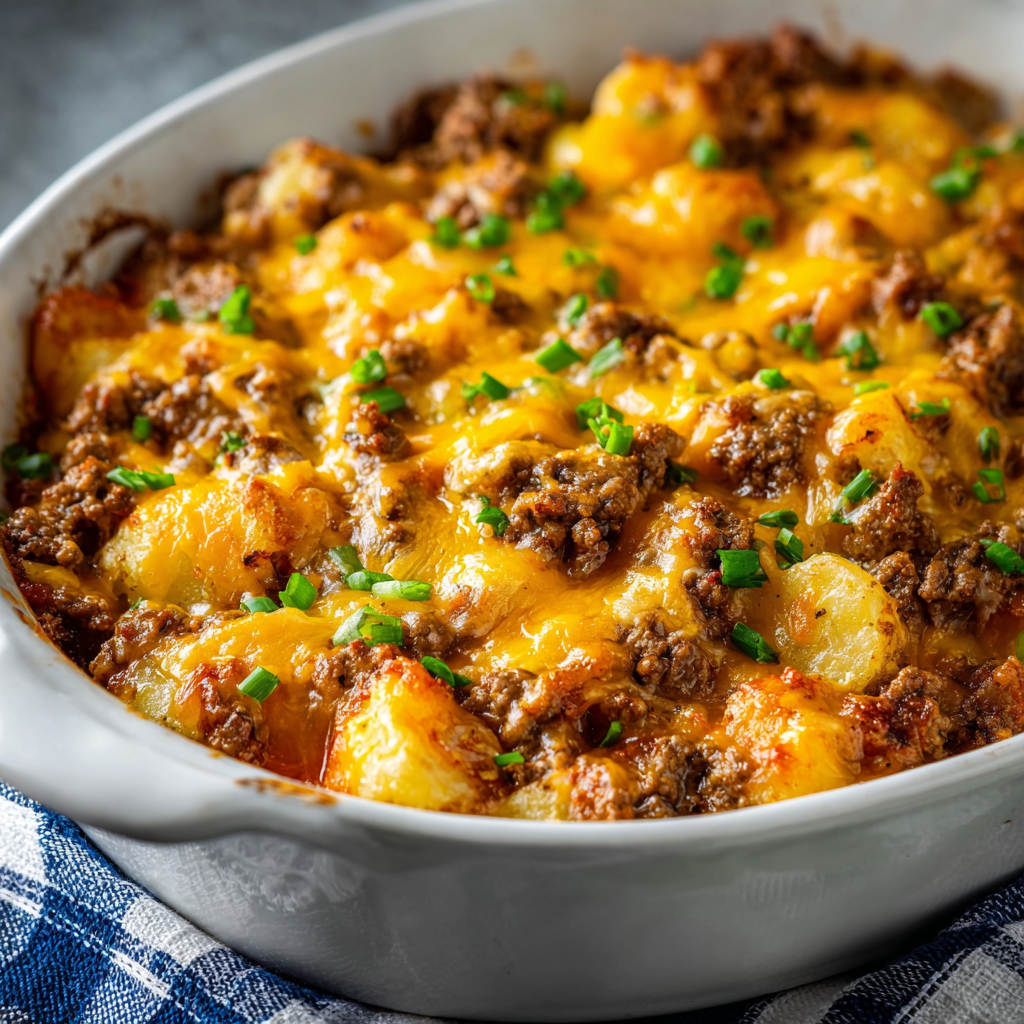
Hobo casserole is one of the great unsung heroes of American home cooking — a one-pan, layered meal of seasoned ground beef, sliced potatoes, and vegetables bound together with a savory, deeply flavored sauce and baked until everything is tender, golden, and impossible to resist. Its name comes from the Depression-era tradition of cooking everything available in a single vessel over an open fire — a philosophy of resourcefulness that produces, somewhat miraculously, one of the most satisfying comfort meals in the entire home cooking canon.
A 2023 report by the American Beef Association noted that ground beef remains the most purchased protein in American households for the fifteenth consecutive year, appearing in more weekly meal rotations than any other single ingredient. This recipe makes the very best use of it — layered, well-seasoned, and baked low and slow into something that tastes like it took far more effort than it did.
Ingredients List
For the Casserole
- 500g (1.1 lbs) lean ground beef (80/20 for flavor, 90/10 for a leaner result)
- 900g (2 lbs) Russet or Yukon Gold potatoes, peeled and sliced 5mm (¼ inch) thin
- 1 large onion, thinly sliced
- 2 medium carrots, thinly sliced into rounds
- 2 celery stalks, thinly sliced
- 1 green bell pepper, diced (sub: any color)
- 3 garlic cloves, minced
- 1 can (400g / 14 oz) diced tomatoes
- 1 cup (240ml) beef broth
- 1 cup (115g) shredded cheddar cheese (for topping)
- 2 tbsp olive oil
- Salt and pepper to taste
For the Seasoning Blend
- 1 tsp smoked paprika
- 1 tsp garlic powder
- 1 tsp onion powder
- ½ tsp dried oregano
- ½ tsp dried thyme
- ¼ tsp cayenne pepper (optional)
- 1 tbsp Worcestershire sauce
Optional Additions
- 1 can (400g) cream of mushroom soup (stirred in with the broth for a richer, creamier sauce)
- 1 cup (150g) frozen peas or corn, added in the final 15 minutes
- 1 cup (90g) sliced mushrooms, sautéed with the beef
Timing
- Prep Time: 20 minutes
- Cook Time: 55–65 minutes
- Total Time: approximately 80 minutes
This recipe feeds a family of four generously for approximately $8–10 in total ingredients — roughly $2–2.50 per serving. The hands-on preparation is under 20 minutes; the oven handles the rest. It also reheats beautifully, making it one of the most practical make-ahead weeknight dinners in any rotation.
Step-by-Step Instructions
Step 1: Brown the Ground Beef
Preheat the oven to 375°F (190°C). Heat 1 tablespoon of olive oil in a large oven-safe skillet or Dutch oven over medium-high heat. Add the ground beef, breaking it apart with a wooden spoon, and cook for 6–8 minutes until fully browned with no pink remaining. Add the minced garlic and cook for another 30 seconds. Season with the smoked paprika, garlic powder, onion powder, oregano, thyme, cayenne, and Worcestershire sauce. Stir to coat evenly, then drain any excess fat. Transfer the seasoned beef to a plate and set aside.
Key tip: Do not skip browning the beef. The Maillard reaction — the caramelization that occurs on the surface of the meat — creates hundreds of flavor compounds that form the savory backbone of the entire casserole. Grey, unbrowned beef contributes a fraction of the flavor that properly seared beef does.
Step 2: Sauté the Vegetables
Return the pan to medium heat and add the remaining tablespoon of olive oil. Add the sliced onion, carrots, celery, and bell pepper. Cook for 5–6 minutes, stirring occasionally, until the onion is softened and translucent. Season lightly with salt and pepper. The vegetables do not need to be fully cooked at this stage — they will finish in the oven — but a brief sauté removes raw sharpness and builds another layer of flavor in the pan.
Step 3: Layer the Casserole
If using an oven-safe skillet, layer directly in it. Otherwise, transfer to a greased 9×13-inch (23x33cm) baking dish. Layer the ingredients in this order: half the sliced potatoes spread across the bottom in an even, overlapping layer; the sautéed vegetables spread evenly over the potatoes; the seasoned ground beef spread over the vegetables; the remaining sliced potatoes layered evenly over the beef.
Pour the diced tomatoes and beef broth — or cream of mushroom soup mixture if using — evenly over the entire surface. The liquid will seep down through every layer as it bakes, cooking the potatoes and binding the casserole into a cohesive, saucy whole.
Key tip: Slice the potatoes as evenly and thinly as possible — approximately 5mm (¼ inch). Unevenly sliced potatoes cook at different rates and produce a casserole where some slices are perfectly tender while others remain underdone. A mandoline slicer produces the most consistent result.
Step 4: Cover and Bake
Cover the baking dish tightly with aluminum foil and bake at 375°F (190°C) for 45 minutes. The covered environment traps steam and cooks the potatoes through without drying out the top layer. After 45 minutes, remove the foil and check the potatoes by inserting a fork into the thickest layer — it should slide through with minimal resistance. If still firm, cover and return for another 10–15 minutes.
Step 5: Add the Cheese and Finish
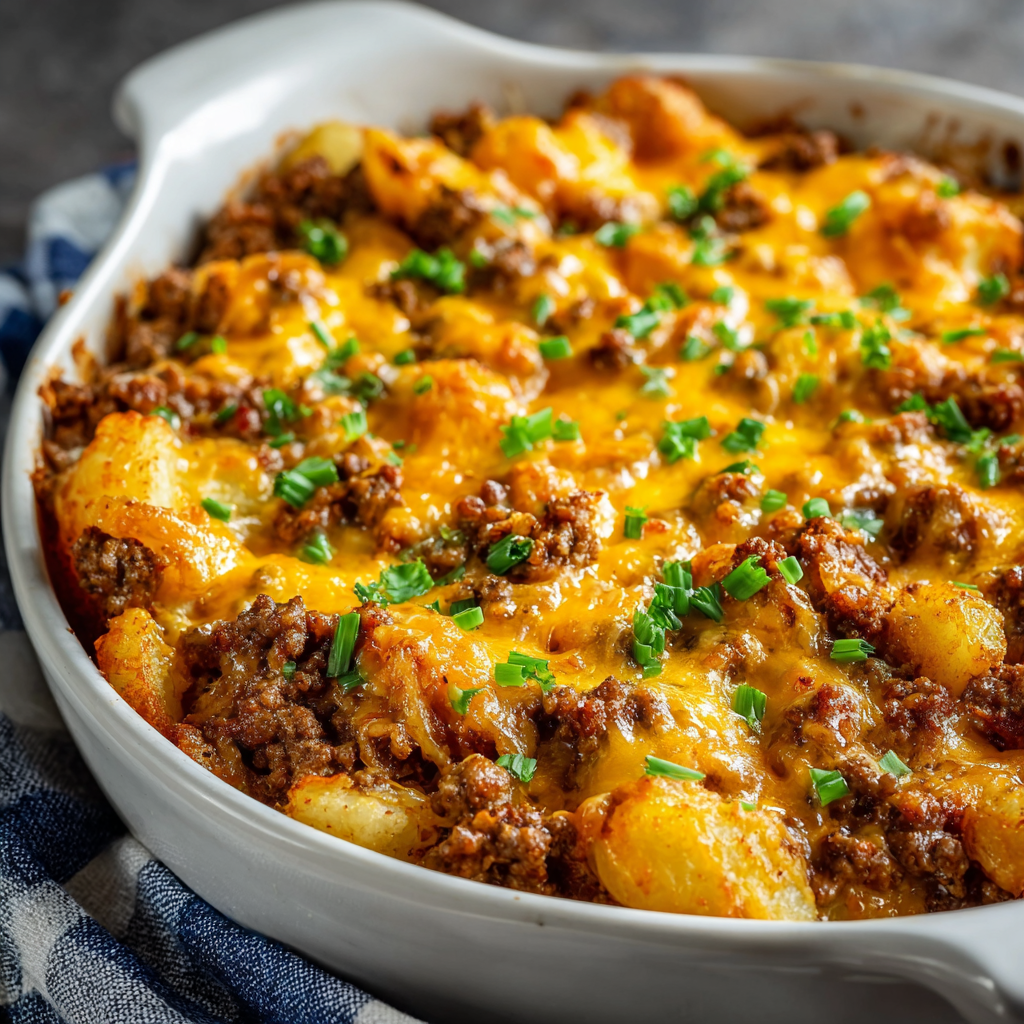
Once the potatoes are tender, scatter the shredded cheddar evenly across the top of the casserole. Return to the oven uncovered for 10–15 minutes until the cheese is melted, bubbly, and beginning to develop golden-brown patches across the surface. For a more dramatically browned, slightly crispy cheese topping, switch to the broiler for the final 2–3 minutes — watch closely.
Step 6: Rest and Serve
Remove from the oven and allow to rest for 10 minutes before serving. This resting period allows the cooking liquid to be reabsorbed into the layers and the casserole to set slightly — making it significantly easier to portion and serve cleanly. Garnish with fresh parsley or chives if desired and serve directly from the baking dish.
Nutritional Information
Per serving — based on 6 servings without optional additions.
| Nutrient | Per Serving | % Daily Value* |
|---|---|---|
| Calories | 420 kcal | 21% |
| Total Fat | 18g | 23% |
| Saturated Fat | 7g | 35% |
| Total Carbohydrates | 38g | 14% |
| Total Sugar | 5g | — |
| Protein | 28g | 56% |
| Dietary Fiber | 4g | 14% |
| Sodium | 620mg | 27% |
| Potassium | 980mg | 21% |
| Iron | 20% DV | 20% |
| Vitamin C | 30% DV | 30% |
| Vitamin B12 | 35% DV | 35% |
*Based on a standard 2,000-calorie daily diet.
At 28 grams of protein and 420 calories per serving, this casserole delivers a complete, balanced meal in a single dish. The potassium content — 21% of the daily recommended value — comes primarily from the potatoes and makes this an unexpectedly strong mineral contributor for a budget comfort meal.
Healthier Alternatives
Leaner protein: Use 93/7 or 96/4 ground turkey or chicken instead of beef. The flavor is lighter but the seasoning blend carries the dish effectively — increase the Worcestershire sauce to 1½ tablespoons to compensate for the reduced fat-derived flavor.
Lower carbohydrate: Replace half or all of the Russet potatoes with thinly sliced zucchini, turnip, or celeriac. These vegetables cook in a similar time frame and absorb the seasoned cooking liquid in a comparable way, producing a result that is nutritionally lighter without sacrificing the layered format.
Dairy-free: Omit the cheddar topping or replace with a plant-based cheddar alternative. The casserole is entirely complete and satisfying without the cheese — it functions as a flavor accent rather than a structural component.
Higher vegetable content: Double the carrots, add a layer of thinly sliced courgette between the beef and the top potato layer, and fold a large handful of baby spinach into the beef before layering. These additions increase the fiber, vitamin, and mineral content significantly without increasing cost meaningfully.
Lower sodium: Use low-sodium beef broth, replace Worcestershire with a reduced-sodium alternative, and use no-salt-added canned tomatoes. These three substitutions can reduce sodium per serving by approximately 30%.
Serving Suggestions
Classic family dinner: Serve directly from the baking dish with a simple green salad dressed with red wine vinaigrette and a basket of crusty bread for sauce-mopping. This is comfort food at its most complete and requires nothing further.
With sour cream and chives: A dollop of sour cream and a scattering of fresh chives on each portion adds a cool, tangy contrast to the rich, savory casserole that elevates the entire eating experience with zero additional effort.
Loaded casserole style: Set out small bowls of toppings at the table — hot sauce, pickled jalapeños, extra shredded cheese, sour cream, and crispy fried onions — and let everyone customize their portion. This transforms a straightforward weeknight dinner into something that feels more interactive and celebratory.
Next-day hash: Scoop cold leftover casserole into a hot, oiled skillet over medium-high heat, press flat with a spatula, and cook undisturbed for 3–4 minutes until the bottom crisps into a golden crust. Flip in sections and repeat. Top with fried eggs. This is one of the finest leftover transformations in home cooking — arguably better than the original.
Packed lunch: Portion into individual airtight containers and refrigerate. The casserole reheats perfectly in the microwave in 2–3 minutes and is one of the most satisfying, protein-rich packed lunches available on a weekday.
Common Mistakes to Avoid
Slicing potatoes too thick. Thick potato slices do not cook through in the allotted bake time, leaving you with a casserole where the beef and vegetables are done but the potatoes remain hard and underdone in the center. 5mm (¼ inch) maximum — use a mandoline if possible.
Not browning the beef. Grey, steamed ground beef adds almost no flavor compared to properly browned beef. Take the 6–8 minutes to develop the sear — it is the most flavor-generating step in the entire recipe.
Insufficient liquid. The liquid is what cooks the potatoes and creates the sauce that binds every layer. If the casserole looks dry after the first 45 minutes, add an additional ¼ cup of broth before returning it to the oven.
Skipping the rest period. Cutting into a casserole straight from the oven produces a watery, structurally loose result that is difficult to portion and does not plate cleanly. Ten minutes of resting makes a substantial difference.
Under-seasoning. Potatoes absorb seasoning significantly during baking and dull any flavors that were underseasoned at the preparation stage. Season each layer — the beef, the vegetables, and the potato layers — individually and generously.
Storing Tips
Refrigerator: Cool completely and store in an airtight container or covered baking dish for up to 4 days. The flavors deepen and the layers meld further overnight — this is a casserole that genuinely improves by day two.
Reheating: Reheat individual portions in the microwave at 70% power in 90-second intervals until heated through. For a full re-warm, cover with foil and reheat in a 350°F (175°C) oven for 20–25 minutes. Add a splash of broth before reheating if the casserole looks dry.
Freezer: Cool completely, portion into freezer-safe containers, and freeze for up to 3 months. Thaw overnight in the refrigerator before reheating. The potato texture softens slightly after freezing but remains entirely acceptable — this is one of the better casseroles for freezer meal preparation.
Make-ahead: Assemble the entire casserole up to 24 hours ahead, cover tightly with foil, and refrigerate unbaked. Add 10–15 minutes to the covered baking time when cooking straight from the refrigerator.
Conclusion
Hobo casserole ground beef is the definitive answer to the claim that affordable cooking has to be boring. Seasoned, browned beef, tender layered potatoes, sautéed vegetables, a deeply flavored sauce, and a bubbling cheddar crust — all from a single dish, in under 80 minutes, for roughly $2.50 a serving. This is the meal that makes a modest grocery budget feel like a genuine advantage.
Make it this week and share your results in the comments — tell us which optional additions you included, whether you tried the next-day hash, and how quickly it disappeared. Leave a review, share it with someone feeding a family on a budget, and subscribe to our newsletter for more honest, flavor-first recipes every week.
FAQs
Can I make this in a slow cooker? Yes. Brown the beef and sauté the vegetables as directed, then layer everything into the slow cooker in the same order. Cook on low for 6–8 hours or high for 3–4 hours. Add the shredded cheese in the final 20 minutes with the lid on. The potatoes will be softer than the oven version but the flavor is excellent.
What potatoes work best? Russet potatoes are the top choice — their high starch content absorbs the cooking liquid and creates a creamy, cohesive texture. Yukon Gold potatoes produce a slightly buttery, firmer result that holds its shape better during baking. Avoid waxy varieties like red potatoes, which hold too much moisture and do not absorb the surrounding liquid as effectively.
Can I add cream of mushroom soup? Absolutely — it is one of the most popular variations of this recipe. Replace half the beef broth with one can of cream of mushroom soup stirred smooth. The result is a richer, creamier sauce that adds a classic, deeply savory character. Cream of celery and cream of chicken are equally good alternatives.
Why are my potatoes still hard after baking? The two most common causes are slicing the potatoes too thick and insufficient liquid. Ensure potatoes are no thicker than 5mm (¼ inch), verify the foil is sealed tightly to trap steam, and check that there is sufficient liquid in the dish before covering. If still firm, add a splash of broth, re-cover, and bake for another 15–20 minutes.
Can I make this recipe gluten-free? Yes, with two straightforward substitutions. Replace the Worcestershire sauce with a certified gluten-free alternative — several brands are widely available — and use gluten-free beef broth. Every other ingredient in the recipe is naturally gluten-free.
What can I serve alongside this casserole? The casserole is a complete meal in itself — protein, starch, and vegetables in a single dish. If serving alongside something, a simple green salad with vinaigrette, steamed green beans, or roasted broccoli all complement the rich, savory casserole without competing with it. Crusty bread for sauce-mopping is always welcome.