Follow Me On Social Media!
Hummus Tabbouleh Wrap (Gluten-Free)

Introduction
Here’s a question that might surprise you: did you know that the global gluten-free food market surpassed $7.5 billion in 2023 and is expected to reach nearly $15 billion by 2030 — yet the majority of gluten-free recipes still struggle to deliver on flavor, texture, and genuine satisfaction? If you’ve ever bitten into a gluten-free wrap that tasted like cardboard wrapped around sadness, this recipe is your turning point.
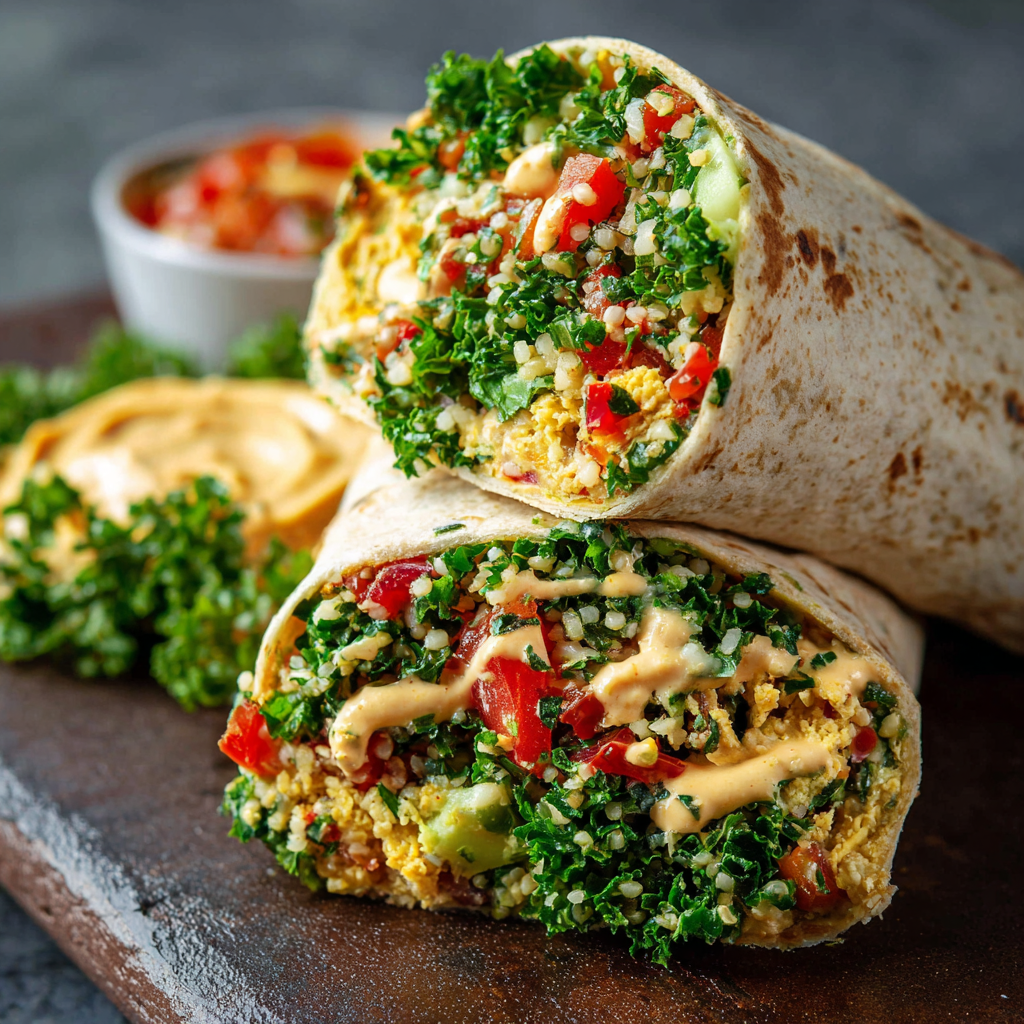
This hummus tabbouleh wrap (gluten-free) is a vibrant, herb-loaded, Middle Eastern-inspired meal that proves gluten-free eating can be every bit as bold, fresh, and deeply satisfying as anything made with conventional wheat. Built on a foundation of creamy homemade hummus, bright lemony tabbouleh made with quinoa instead of bulgur wheat, and crisp, colorful vegetables all bundled into a gluten-free wrap, this is weekday lunch reinvented.
According to a 2023 consumer food trends report, Mediterranean-style meals rank among the top three most sought-after cuisines globally, driven by growing awareness of their association with longevity, heart health, and anti-inflammatory eating. This recipe sits squarely at the intersection of all of that — nutritious, fast, endlessly customizable, and genuinely delicious. Whether you’re gluten intolerant, celiac, or simply eating more intentionally, this wrap belongs in your regular rotation.
Ingredients List
For the Quinoa Tabbouleh
- 1 cup (170g) dry white quinoa (sub: cauliflower rice for a grain-free, lower-carb option)
- 2 cups (480ml) water or vegetable broth (broth adds extra flavor)
- 2 cups (60g) fresh flat-leaf parsley, very finely chopped (the herb is the hero — don’t skimp)
- ½ cup (15g) fresh mint leaves, finely chopped
- 3 medium ripe tomatoes, seeds removed, finely diced (sub: cherry tomatoes, halved)
- 1 English cucumber, finely diced
- 4 spring onions, thinly sliced
- 3 tbsp extra virgin olive oil
- 3 tbsp fresh lemon juice (approximately 1½ lemons)
- 1 small garlic clove, minced
- ¾ tsp fine sea salt, or to taste
- ¼ tsp freshly ground black pepper
For the Hummus
- 1 can (400g / 15 oz) chickpeas, drained and rinsed (reserve the liquid — aquafaba)
- 3 tbsp tahini (well-stirred)
- 2½ tbsp fresh lemon juice
- 1 small garlic clove, roughly chopped
- 2 tbsp extra virgin olive oil, plus extra for drizzling
- ¼ tsp ground cumin
- ½ tsp fine sea salt
- 2–4 tbsp cold water (to adjust consistency)
For the Wraps and Fillings
- 4 large gluten-free wraps or tortillas (look for brown rice, cassava, or chickpea-based varieties)
- 1 cup (30g) mixed salad greens or baby spinach
- 1 medium avocado, thinly sliced
- ½ cup (75g) roasted red peppers, sliced (jarred is perfectly fine)
- ¼ cup (35g) Kalamata olives, pitted and halved (optional)
- ¼ cup (40g) crumbled feta cheese (omit for a fully vegan wrap)
- Lemon wedges, to serve
Timing
- Prep Time: 20 minutes
- Cook Time: 15 minutes (quinoa cooking)
- Cooling Time: 15 minutes
- Total Time: 50 minutes
The hands-on preparation here is genuinely minimal. Compared to the average assembled wrap recipe — which according to food blog data averages around 35 minutes of active prep — this comes in at roughly 20 minutes of active work. The quinoa cooks itself while you prep the vegetables and blend the hummus, meaning everything runs in parallel rather than in sequence. Efficient, satisfying, and completely stress-free.
Step-by-Step Instructions
Step 1: Cook the Quinoa
Rinse the quinoa thoroughly under cold running water using a fine mesh sieve for at least 60 seconds. This critical step removes saponins — the natural coating on quinoa that gives it a bitter, soapy taste if left unwashed. Combine the rinsed quinoa with water or vegetable broth in a medium saucepan and bring to a boil over high heat. Once boiling, reduce the heat to low, cover with a tight-fitting lid, and simmer for 13–15 minutes until all the liquid is absorbed. Remove from heat and let it steam, covered, for 5 minutes. Fluff with a fork and spread onto a large plate or baking sheet to cool completely before adding to the tabbouleh.
Key tip: Warm quinoa will wilt the parsley and release excess moisture into your tabbouleh. Patience here pays off in texture and flavor.
Step 2: Make the Hummus
While the quinoa cooks, prepare the hummus. For the silkiest possible result, peel the chickpeas by gently pinching each one between your fingers to slip off the papery skin. It takes about 5 minutes and makes a noticeable difference in creaminess — though it’s entirely optional if you’re short on time.
Add the tahini and lemon juice to a food processor and process for 1 full minute until the tahini turns pale and whipped. This step aerates the tahini and is the secret behind ultra-smooth, restaurant-quality hummus. Add the garlic, olive oil, cumin, and salt, and process for another 30 seconds. Add the drained chickpeas and process for 2–3 minutes, scraping the sides as needed, streaming in cold water one tablespoon at a time until you reach a smooth, creamy, cloud-like consistency. Taste and adjust the lemon, salt, or garlic to your preference.
Key tip: Cold water — not warm — is what makes hummus light and fluffy rather than dense and paste-like. The temperature matters.
Step 3: Assemble the Tabbouleh
In a large mixing bowl, combine the cooled quinoa, finely chopped parsley, mint, diced tomatoes (seeds removed to prevent sogginess), cucumber, and spring onions. In a small bowl, whisk together the olive oil, lemon juice, minced garlic, salt, and pepper. Pour the dressing over the tabbouleh and toss thoroughly to combine. Taste and adjust the seasoning — traditional tabbouleh is bold, lemony, and herb-forward, so don’t be shy. For the best flavor, allow the tabbouleh to sit for 10 minutes before assembling the wraps, giving the quinoa time to absorb the dressing.
Key tip: Authentic tabbouleh is predominantly parsley with a small amount of grain — not the other way around. If your tabbouleh looks mostly green, you’ve got the ratio right.
Step 4: Warm the Gluten-Free Wraps
Gluten-free wraps benefit enormously from a brief warm-up before assembling. Heat a dry skillet or frying pan over medium heat and warm each wrap for 20–30 seconds per side until pliable and lightly toasted. Alternatively, wrap them in a slightly damp paper towel and microwave for 15–20 seconds. Cold gluten-free wraps tend to crack and tear during rolling — warming them makes them flexible, cooperative, and far easier to handle.
Step 5: Assemble the Wraps
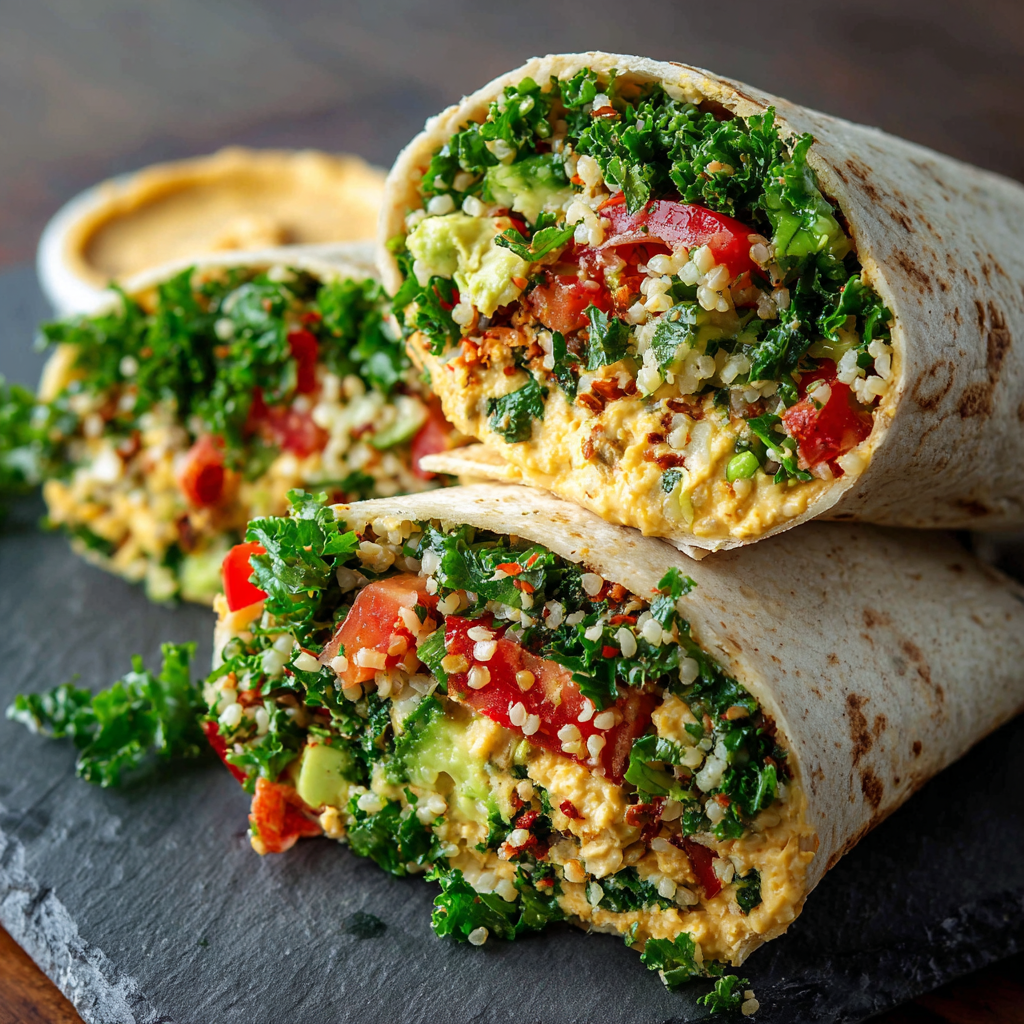
Lay a warmed gluten-free wrap flat on a clean work surface. Spread a generous 3–4 tablespoons of hummus across the centre of the wrap, leaving a 2-inch border on all sides. Layer with a small handful of mixed greens, followed by a generous scoop of tabbouleh. Add a few slices of avocado, some roasted red peppers, a scattering of olives, and crumbled feta if using. Don’t overfill — a common temptation that makes rolling nearly impossible.
Step 6: Roll and Serve
Fold the two short sides of the wrap inward over the filling. Then, starting from the edge closest to you, roll the wrap away from you firmly and tightly, tucking the filling as you go. For a cleaner presentation and easier eating, wrap the assembled roll in parchment paper and twist the ends like a candy wrapper. Slice in half on a diagonal and serve immediately with lemon wedges and extra hummus on the side for dipping.
Nutritional Information
Per serving — based on 4 wraps. Values are approximate and will vary based on the specific gluten-free wrap brand used.
| Nutrient | Per Serving | % Daily Value* |
|---|---|---|
| Calories | 520 kcal | 26% |
| Total Fat | 26g | 33% |
| Saturated Fat | 5g | 25% |
| Total Carbohydrates | 58g | 21% |
| Total Sugar | 6g | — |
| Protein | 16g | 32% |
| Dietary Fiber | 11g | 39% |
| Sodium | 680mg | 30% |
| Potassium | 720mg | 15% |
| Iron | 25% DV | 25% |
| Vitamin C | 45% DV | 45% |
| Folate | 30% DV | 30% |
*Based on a standard 2,000-calorie daily diet.
The nutritional profile here is genuinely impressive for a single meal. The combination of quinoa and chickpeas delivers all nine essential amino acids, making this a complete protein source — a rarity in plant-based meals. The 11 grams of dietary fiber per serving supports digestive health, sustained energy, and long-lasting satiety, while the parsley alone contributes a remarkable boost of Vitamin C and Vitamin K.
Healthier Alternatives for the Recipe
This hummus tabbouleh wrap is already a nutritional powerhouse, but here are smart modifications to tailor it even further to your specific health goals.
Grain-free and lower carb: Replace the quinoa tabbouleh with finely chopped cauliflower rice tabbouleh. Pulse raw cauliflower florets in a food processor until they resemble fine crumbs, then mix with the same herbs, vegetables, and dressing. The result is remarkably similar in texture with a fraction of the carbohydrates.
Higher protein: Add a layer of sliced grilled chicken breast, baked falafel, or pan-fried tempeh strips inside the wrap alongside the tabbouleh. Each option adds 15–25 grams of additional protein per serving.
Lower sodium: Use dried chickpeas soaked and cooked from scratch instead of canned, which eliminates added sodium entirely. Reduce the salt in both the hummus and tabbouleh by half and compensate with extra lemon juice, which brightens flavors without sodium.
Oil-free: The hummus can be made oil-free by replacing the olive oil with additional aquafaba (the reserved chickpea liquid) — use 2–3 tablespoons. The result is slightly less rich but still wonderfully creamy and far lower in fat.
Nut-free and seed-free: If tahini is a concern, replace it with sunflower seed butter in the hummus for a similar rich, nutty depth. The flavor profile shifts slightly but remains delicious and genuinely allergen-friendly.
Anti-inflammatory boost: Add ¼ teaspoon of ground turmeric and a pinch of black pepper to the hummus during blending. This small addition introduces curcumin — one of the most well-researched anti-inflammatory compounds in nutrition — without altering the flavor noticeably.
Serving Suggestions
Classic lunch box: Wrap tightly in parchment paper, then foil, and pack in a lunchbox with a small pot of extra hummus for dipping, a handful of gluten-free crackers, and fresh fruit. It travels exceptionally well and holds its structure for up to 4 hours.
Mezze-style spread: Rather than pre-assembling the wraps, serve all the components separately on a large wooden board — hummus in a shallow bowl, tabbouleh in a serving dish, avocado slices, roasted peppers, olives, feta, and a stack of warmed wraps. Let guests build their own at the table for an interactive, convivial meal.
Warm wrap variation: Before assembling, brush the outside of the rolled wrap with a thin layer of olive oil and toast in a hot pan for 1–2 minutes per side until golden and slightly crispy. The contrast between the warm, toasted exterior and the cool, herb-fresh filling inside is exceptional.
Soup pairing: Serve half a wrap alongside a bowl of roasted tomato soup, lentil soup, or a chilled cucumber gazpacho. The combination turns this into a complete, restaurant-caliber light dinner.
Protein addition for athletes: Add sliced hard-boiled eggs, grilled salmon, or baked za’atar-spiced chicken thighs to boost the caloric density and protein content significantly, making it a full performance meal suitable for post-workout recovery.
Deconstructed salad bowl: Skip the wrap entirely and serve the hummus as a generous base spread across the bottom of a wide bowl. Pile the tabbouleh on top, add all the fillings, drizzle with olive oil and a squeeze of lemon, and serve with gluten-free flatbread or rice crackers on the side.
Common Mistakes to Avoid
Not rinsing the quinoa. This is the most impactful step most home cooks skip. Unrinsed quinoa has a distinctly bitter, soapy aftertaste from natural saponin compounds on the surface. A 60-second rinse under cold water eliminates this completely and is non-negotiable.
Adding warm quinoa to the tabbouleh. Warm quinoa releases steam and moisture as it sits, wilting the fresh herbs and turning the tabbouleh soggy within minutes. Always spread the cooked quinoa out and cool it fully — at least 20 minutes at room temperature or 10 minutes in the refrigerator — before combining with the vegetables and dressing.
Using refrigerated carton tahini instead of jarred. Thin, separated, or low-quality tahini produces grainy, bitter hummus. Use a good-quality jarred tahini, stir it thoroughly from the bottom of the jar before measuring, and store it in the refrigerator after opening.
Over-filling the wrap. Generosity is admirable but counterproductive here. Overfilled gluten-free wraps crack, burst, and become impossible to eat without everything collapsing. A modest, well-distributed amount of filling rolls cleanly and holds its shape.
Skipping the wrap warming step. Gluten-free wraps crack when cold — it’s simply their nature. Thirty seconds in a warm skillet transforms them from brittle and uncooperative to pliable and perfectly rollable.
Under-seasoning the tabbouleh. Traditional tabbouleh is a boldly flavored dish. If it tastes flat, it almost certainly needs more lemon juice and salt. Taste repeatedly and adjust until the herbs and citrus sing clearly.
Storing Tips for the Recipe
Store components separately: The single most important storage principle for this recipe is to keep the hummus, tabbouleh, and wrap components in separate airtight containers in the refrigerator. Once assembled, wraps become soggy within a few hours as the tabbouleh dressing seeps into the wrap.
Tabbouleh: Stores beautifully for up to 3 days in an airtight container in the refrigerator. In fact, the flavor improves after several hours as the quinoa absorbs the lemon and olive oil dressing. Give it a good stir and a fresh squeeze of lemon before serving.
Hummus: Transfer to an airtight container, smooth the surface, and drizzle a thin layer of olive oil over the top to prevent oxidation and drying. Refrigerate for up to 5 days. Stir well before using.
Assembled wraps: If you need to pack assembled wraps ahead of time, wrap each one tightly in parchment paper first, then in foil. Consume within 4 hours for the best texture. Placing the greens and avocado as the outermost layer against the wrap (rather than next to the wet tabbouleh) creates a natural moisture barrier.
Avocado: Slice fresh avocado just before assembling and serving. If you must prepare it ahead, toss the slices in lemon juice and store covered with plastic wrap pressed directly onto the surface to slow browning.
Freezer: The hummus freezes well for up to 3 months in a freezer-safe container. Thaw overnight in the refrigerator and stir vigorously before serving. The tabbouleh and fresh wrap components are not suitable for freezing.
Conclusion
This hummus tabbouleh wrap proves definitively that gluten-free eating is not a compromise — it’s an opportunity. With creamy homemade hummus, vibrant quinoa tabbouleh bursting with fresh herbs and lemon, and a rainbow of colorful fillings wrapped in a pliable gluten-free tortilla, every single bite delivers flavor, nourishment, and genuine satisfaction. Fast, flexible, and endlessly adaptable.
Excited to make it? Try this recipe and leave your feedback in the comments below — we’d love to know which fillings you added, what wrap brand worked best for you, and how it compared to your usual lunch routine. If this guide was helpful, please leave a review and subscribe to our newsletter for fresh, gluten-free, and plant-forward recipes delivered to your inbox every week. Your next favorite meal is just one wrap away.
FAQs
Can I use store-bought hummus instead of homemade? Absolutely. A good-quality store-bought hummus works perfectly well and cuts the prep time significantly. Look for brands with simple, clean ingredients — chickpeas, tahini, lemon juice, garlic, and olive oil. Avoid varieties with excessive stabilizers or added oils, which can taste artificial and alter the texture of the wrap.
What is the best gluten-free wrap brand for this recipe? The best results come from cassava flour tortillas or brown rice flour wraps, as both are pliable, neutral in flavor, and hold together well when rolled. Chickpea-flour wraps add a pleasant nuttiness that complements the hummus beautifully. Always warm the wrap before rolling regardless of the brand — it makes an enormous difference in flexibility.
Is this recipe suitable for people with celiac disease? It can be, with careful attention to ingredient labeling. Ensure your gluten-free wraps, tahini, and any packaged ingredients carry a certified gluten-free label, as cross-contamination during manufacturing is a real concern for those with celiac disease. Homemade hummus from whole ingredients is inherently safe.
Can I make the tabbouleh the night before? Yes, and it’s actually recommended. Tabbouleh made the night before and stored overnight in the refrigerator develops significantly deeper, more cohesive flavor as the quinoa absorbs the dressing and the herbs soften slightly. Just add a fresh squeeze of lemon and a pinch of salt before serving to revive the brightness.
How do I prevent the wrap from falling apart while eating? Three things make the biggest difference: warming the wrap thoroughly before rolling, not overfilling, and wrapping the assembled roll firmly in parchment paper before slicing. The parchment holds everything together while you eat and is the standard approach used in professional café and deli settings worldwide.
Can I make this recipe entirely vegan? It is already almost entirely vegan. Simply omit the feta cheese or replace it with a plant-based feta alternative — several excellent options made from almond milk or tofu are now widely available in most supermarkets. Every other component in this recipe is naturally 100% vegan.