Follow Me On Social Media!
Shrimp and Asparagus Stir-Fry with Mushrooms

Introduction
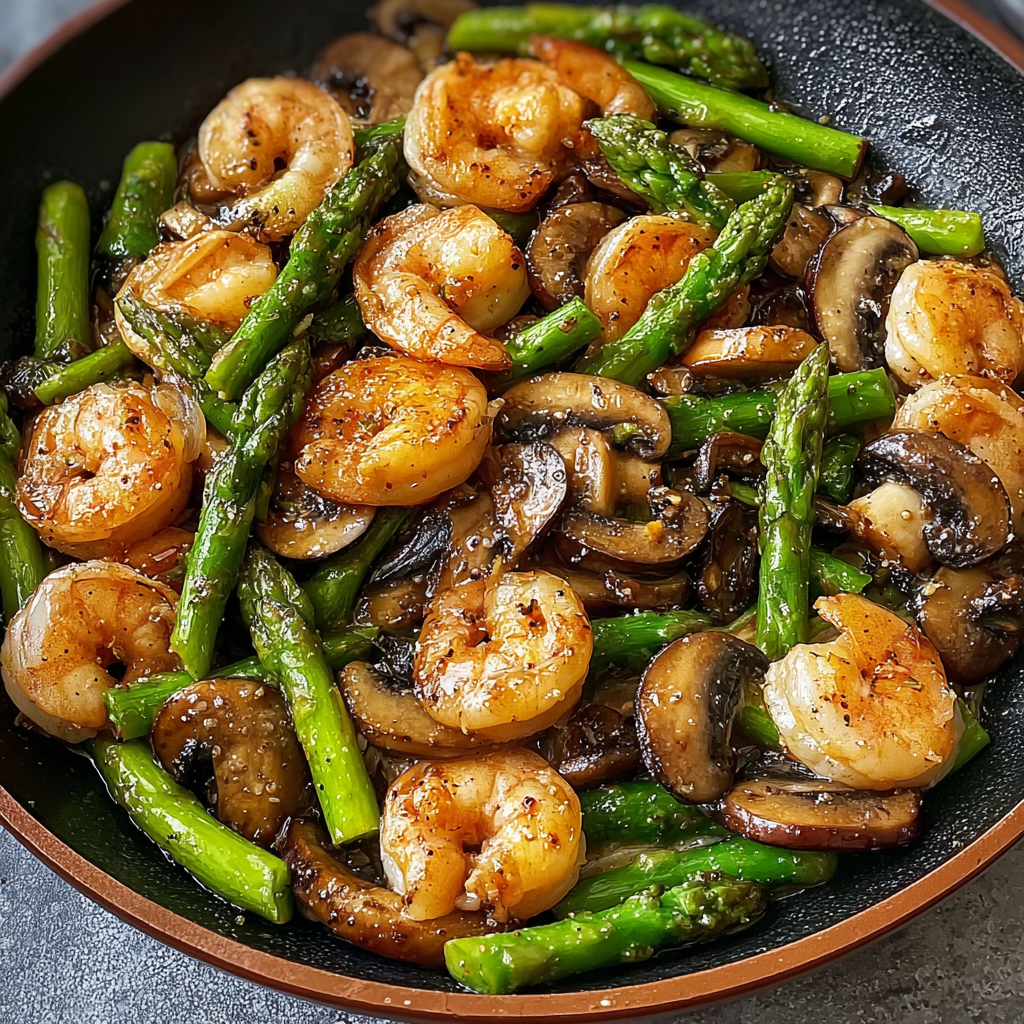
Here is a question worth asking the next time you are tempted to order takeout: what if the most nutritionally complete, restaurant-quality stir-fry you have ever eaten could be on your table in less time than it takes a delivery driver to find your street? According to a 2024 analysis by the American Institute for Cancer Research, meals combining lean seafood protein with cruciferous and fungal vegetables rank among the highest in anti-inflammatory and antioxidant compound density of any single-dish meal category — and this shrimp and asparagus stir-fry with mushrooms hits every one of those markers in a single pan in under 25 minutes.
Stir-frying is the most efficient high-heat cooking technique in the home kitchen — a method developed in China over two thousand years ago specifically to cook food quickly at intense temperatures, preserving nutrients, texture, and color that longer cooking methods destroy. When applied to shrimp, asparagus, and mushrooms, the results are particularly compelling: shrimp develop a lightly charred, sweet exterior in under 3 minutes of high heat; asparagus retains its vivid green color and satisfying snap; mushrooms caramelize into deeply savory, umami-rich pieces that anchor the entire dish.
A 2023 seafood consumption report by the National Oceanic and Atmospheric Administration noted that shrimp remains the most consumed seafood in the United States for the twenty-second consecutive year, yet the majority of home cooks prepare it in fewer than three ways. This recipe adds a new and genuinely exceptional option to that rotation.
Ingredients List
For the Shrimp
- 500g (1.1 lbs) large raw shrimp, peeled and deveined (sub: scallops or firm tofu for a pescatarian or vegan version)
- 1 tbsp soy sauce or tamari
- 1 tsp cornstarch
- 1 tsp sesame oil
- ½ tsp white pepper
For the Vegetables
- 1 bunch (approximately 350g) asparagus, woody ends snapped off, cut into 5cm (2-inch) pieces
- 300g (10.5 oz) mushrooms, thickly sliced (shiitake, cremini, oyster, or a combination — each brings a distinct character)
- 4 garlic cloves, finely minced
- 1 tbsp fresh ginger, finely grated
- 3 spring onions, white and green parts separated, sliced
- 1 red bell pepper, thinly sliced (optional — adds color and sweetness)
- 2 tbsp neutral oil, for cooking (vegetable, canola, or avocado oil)
For the Stir-Fry Sauce
- 3 tbsp soy sauce or tamari (tamari for gluten-free)
- 1 tbsp oyster sauce (sub: hoisin or vegan oyster sauce)
- 1 tbsp rice vinegar
- 1 tbsp honey or maple syrup
- 1 tsp toasted sesame oil
- 1 tsp chili garlic sauce or sambal oelek (adjust to heat preference)
- ½ tsp cornstarch mixed with 1 tbsp cold water (slurry for sauce thickening)
For Garnish and Serving
- 2 tsp toasted sesame seeds
- Fresh cilantro or sliced spring onion greens
- Steamed jasmine rice, brown rice, or noodles
- Lime wedges
Timing
- Prep Time: 15 minutes
- Marinating Time: 10 minutes (can be skipped)
- Cook Time: 10–12 minutes
- Total Time: 25–35 minutes
The entire active cooking time here is under 12 minutes — faster than boiling a pot of rice. Plan accordingly: start the rice first, prep all ingredients before turning on the heat, and the stir-fry will be ready at almost exactly the moment the rice finishes cooking.
Step-by-Step Instructions
Step 1: Marinate the Shrimp
Pat the shrimp completely dry with paper towels — this is the single most impactful preparation step for achieving a light sear rather than a steam. Combine with soy sauce, cornstarch, sesame oil, and white pepper in a bowl. Toss to coat evenly and set aside for 10 minutes. The cornstarch creates a light protective coating that crisps at the edges in a hot pan — the same velveting technique used in Chinese restaurant kitchens — while the soy sauce begins seasoning the shrimp from the outside in.
Step 2: Mix the Sauce
Combine soy sauce, oyster sauce, rice vinegar, honey, sesame oil, and chili garlic sauce in a small bowl. Whisk until the honey dissolves and the sauce is smooth. Prepare the cornstarch slurry in a separate small bowl and keep both within arm’s reach of the stove. In stir-fry cooking, everything moves fast — having the sauce pre-mixed and ready to pour in a single motion is not a suggestion but a practical necessity. Measuring ingredients while garlic is in a hot wok is how garlic burns and dishes are ruined.
Step 3: Cook the Shrimp
Heat a wok or large heavy skillet over the highest heat your stove produces for 2–3 minutes until genuinely, properly hot. Add 1 tablespoon of neutral oil and allow it to heat until shimmering. Add the shrimp in a single layer and cook undisturbed for 60–90 seconds until the underside turns pink and lightly golden. Flip and cook for another 45–60 seconds — the shrimp is done the moment it turns fully pink and just curls into a loose C shape. A tight curl means overcooked. Remove immediately to a clean plate. Shrimp in a hot wok go from perfectly cooked to rubbery in under 60 seconds — err decisively on the side of slightly underdone since they will return to the pan to finish.
Key tip: Cook the shrimp in a single layer — do not crowd. If your pan is smaller than 30cm (12 inches), cook in two batches. Crowded shrimp steam rather than sear and turn grey and rubbery rather than pink and golden.
Step 4: Cook the Mushrooms
Return the pan to high heat and add the remaining tablespoon of oil. Add the mushrooms in a single layer without stirring for 2 full minutes — this extended undisturbed contact with the hot surface is what produces the deep golden-brown caramelization that gives mushrooms their savory depth. Once deeply colored on one side, toss and cook for another minute. Mushrooms that are constantly stirred steam in their own moisture and turn pale and rubbery rather than golden and rich.
Step 5: Add the Asparagus and Aromatics
Add the asparagus and red bell pepper if using to the mushrooms. Toss and stir-fry over high heat for 2–3 minutes until the asparagus turns vivid green and is just tender with a satisfying bite remaining. Push everything to the edges of the pan, add a small drizzle of oil to the center if needed, and add the garlic, ginger, and white spring onion parts. Stir constantly for 30–45 seconds until fragrant and just golden — garlic burns in under 60 seconds at wok heat, so keep it moving.
Step 6: Build the Sauce and Finish
Pour the pre-mixed sauce into the pan — it will sizzle and bubble dramatically. Stir to coat all vegetables, then add the cornstarch slurry and stir continuously for 60–90 seconds until the sauce thickens to a glossy, clingy consistency that coats every piece. Return the cooked shrimp to the pan and toss everything together for 30–45 seconds — just long enough to reheat the shrimp and coat them in the sauce without overcooking them. Taste and adjust — more soy for salt, more rice vinegar for acidity, more chili sauce for heat.
Step 7: Garnish and Serve
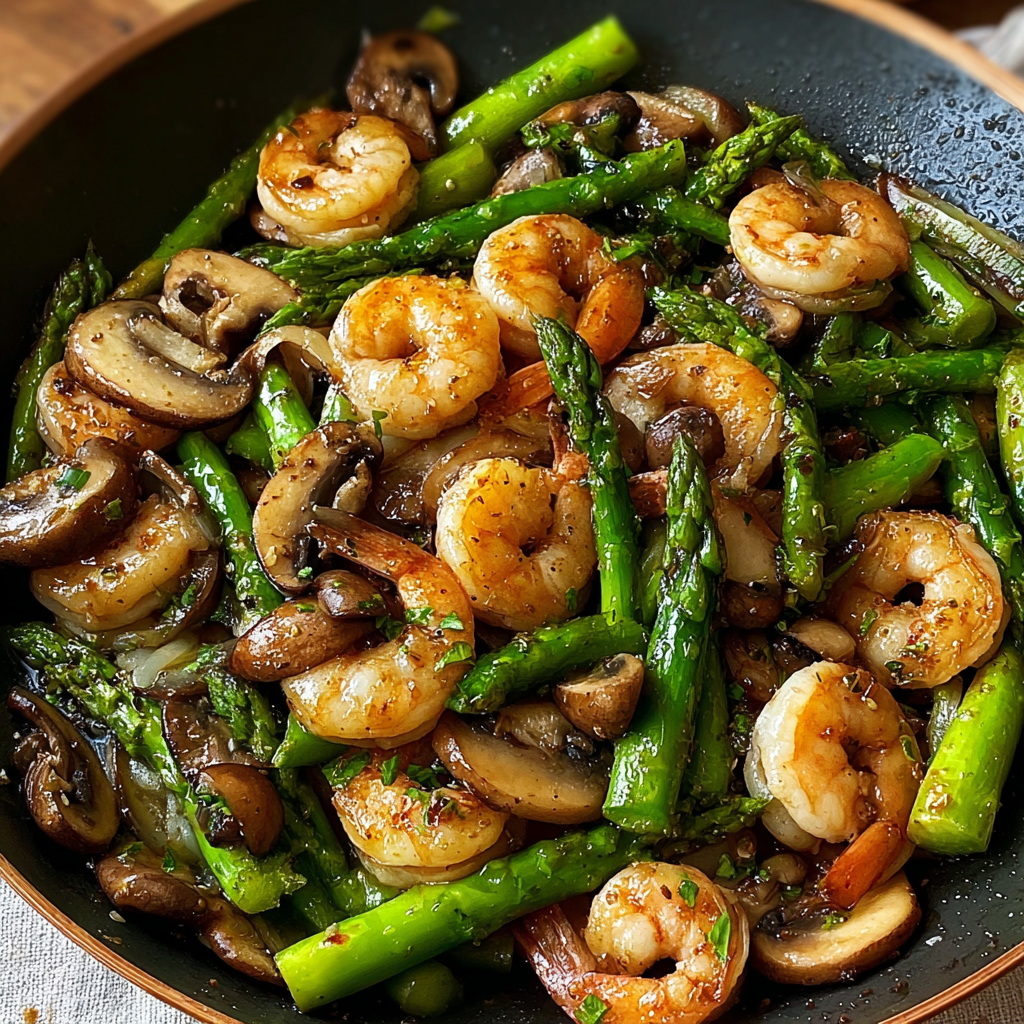
Transfer immediately to serving plates over steamed rice or noodles. Scatter toasted sesame seeds and fresh cilantro or spring onion greens over the top. Serve with lime wedges — a squeeze of fresh lime over the finished dish lifts every flavor and cuts through the richness of the sauce in a way that transforms the entire plate. Eat immediately. Stir-fry waits for no one.
Nutritional Information
Per serving — based on 4 servings without rice or noodles. Values are approximate.
| Nutrient | Per Serving | % Daily Value* |
|---|---|---|
| Calories | 265 kcal | 13% |
| Total Fat | 11g | 14% |
| Saturated Fat | 1.5g | 8% |
| Total Carbohydrates | 18g | 7% |
| Total Sugar | 8g | — |
| Protein | 28g | 56% |
| Dietary Fiber | 4g | 14% |
| Sodium | 860mg | 37% |
| Potassium | 720mg | 15% |
| Iron | 20% DV | 20% |
| Vitamin C | 45% DV | 45% |
| Selenium | 55% DV | 55% |
*Based on a standard 2,000-calorie daily diet.
At 28 grams of protein and only 265 calories per serving — before rice or noodles — this stir-fry delivers an exceptional protein-to-calorie ratio. The selenium content at 55% of the daily recommended value is particularly noteworthy: shrimp and mushrooms are two of the richest combined dietary sources of this critical antioxidant mineral, which supports thyroid function, immune response, and DNA protection.
Healthier Alternatives for the Recipe
Lower sodium: Use reduced-sodium soy sauce or coconut aminos throughout — coconut aminos contains roughly 65% less sodium than conventional soy sauce with a naturally sweeter, slightly milder flavor. Omit the oyster sauce or replace with a low-sodium hoisin.
Higher fiber: Add 1 cup of edamame and a large handful of baby spinach folded in during the final toss. The spinach wilts almost instantly in the residual heat and adds iron, folate, and several additional grams of fiber per serving.
Gluten-free: Use tamari in place of all soy sauce and replace oyster sauce with a certified gluten-free hoisin or purpose-made vegan oyster sauce. Every other component is naturally gluten-free.
Vegan: Replace shrimp with extra-firm tofu pressed and cubed, or large king oyster mushroom rounds sliced 2cm thick. Both sear beautifully at high heat with the same cornstarch-coating technique. Replace oyster sauce with vegan mushroom stir-fry sauce and honey with maple syrup.
Lower carbohydrate: Serve over cauliflower rice or shredded cabbage stir-fried briefly in sesame oil instead of jasmine rice. This reduces the total meal carbohydrates by approximately 35–40g per serving while maintaining the full flavor of the stir-fry itself.
Anti-inflammatory boost: Add 1 teaspoon of freshly grated turmeric alongside the ginger, and increase the ginger to 2 tablespoons. Both are among the most well-researched anti-inflammatory compounds in food science, and their flavor integrates naturally into the existing sauce profile.
Serving Suggestions
Over jasmine rice: The classic pairing — steamed jasmine rice absorbs the glossy sauce beautifully and provides a neutral, fragrant base that lets the shrimp, asparagus, and mushrooms remain the focus of every bite.
With noodles: Toss the finished stir-fry with cooked udon, soba, or rice noodles directly in the wok for the final 30 seconds to coat every strand in the sauce. This transforms the dish from a protein-and-vegetable stir-fry into a complete noodle bowl that needs nothing else on the table.
Lettuce cup style: Serve the stir-fry spooned into large butter lettuce or iceberg cups with a drizzle of extra chili sauce and a squeeze of lime. This low-carbohydrate format works exceptionally well as a starter or light lunch and has an elegance that belies the simplicity of its preparation.
With fried rice: Serve alongside or on top of a simple egg fried rice made with day-old rice, egg, soy sauce, and sesame oil. The combination of the saucy stir-fry with the slightly smoky, dry fried rice creates a textural and flavor contrast that makes the whole meal more interesting than either component alone.
As a meal prep bowl: Divide over brown rice into four airtight containers, garnish with sesame seeds, and refrigerate for up to 3 days of ready-made high-protein lunches. Store lime wedges separately and squeeze fresh at the moment of eating to revive the brightness of the dish after refrigeration.
Common Mistakes to Avoid
Not drying the shrimp before cooking. Wet shrimp release moisture in the pan and steam rather than sear, producing pale, grey, rubbery shrimp with no golden color and none of the flavor that high-heat searing creates. Pat dry thoroughly — every time, without exception.
Using a pan that isn’t hot enough. Stir-frying requires genuinely high heat. A warm or moderately hot pan produces steamed, pale vegetables and grey shrimp. Heat the wok until it begins to smoke before adding oil or protein — this is not optional and is the single most common cause of disappointing stir-fry results at home.
Overcooking the shrimp. Shrimp go from perfectly cooked to rubbery in under 60 seconds at stir-fry temperatures. Pull them the moment they turn pink and form a loose C — they will continue cooking from residual heat in the pan and from the sauce during the final toss. When in doubt, undercook slightly.
Constantly stirring the mushrooms. Mushrooms need undisturbed contact with a hot surface to caramelize and develop their characteristic golden-brown, deeply savory flavor. Constant stirring prevents this and produces pale, soggy mushrooms that add texture but contribute almost no flavor.
Not pre-mixing the sauce. Once the wok is at temperature and the garlic is in the pan, there are approximately 45 seconds before it burns. Pre-mixing the sauce before turning on the heat is not a helpful suggestion — it is a functional requirement of the cooking method.
Overcrowding the pan. Shrimp and vegetables release moisture as they cook. In a crowded pan, this moisture has nowhere to escape and the entire contents steam rather than stir-fry, producing a watery, pale, texturally flat result. Work in batches or use a large enough pan that everything has breathing room.
Storing Tips for the Recipe
Refrigerator: Store in an airtight container for up to 3 days. The vegetables will soften slightly and the shrimp will firm slightly during storage — both are minor changes that don’t significantly affect the eating quality. The sauce flavors deepen and improve overnight.
Reheating: Reheat in a hot skillet or wok with a splash of water or additional soy sauce over medium-high heat for 2–3 minutes, tossing frequently. The microwave works in a time crunch at 70% power in 60-second intervals but produces softer vegetables and slightly tougher shrimp than stovetop reheating.
Freezer: The cooked stir-fry does not freeze well — shrimp become rubbery and asparagus turns waterlogged upon thawing. Freeze the sauce separately for up to 2 months and cook fresh shrimp and vegetables on the day of eating.
Meal prep: The sauce can be made and refrigerated in a sealed jar for up to 2 weeks, making this a genuinely 15-minute weeknight dinner once the prep work is done ahead. Pre-cut vegetables can be stored in an airtight container in the refrigerator for up to 24 hours before cooking.
Conclusion
This shrimp and asparagus stir-fry with mushrooms delivers everything a great weeknight dinner should — exceptional protein, vibrant vegetables, a deeply savory sauce, and a total time that beats delivery by a comfortable margin. Master the three fundamentals — a properly hot pan, dry ingredients, and a pre-mixed sauce — and this dish is repeatable, reliable, and genuinely restaurant-quality every single time.
Ready to stir-fry? Make this recipe tonight and share your results in the comments — tell us which mushrooms you used, how much chili you added, and whether it beat your usual takeout order. Leave a review, share this with someone who deserves a better weeknight dinner, and subscribe to our newsletter for more fast, high-protein, flavor-first recipes every week.
FAQs
Can I use frozen shrimp? Yes — frozen shrimp works perfectly well and is often fresher than the “fresh” shrimp at the seafood counter, which is typically previously frozen and thawed. Thaw overnight in the refrigerator or under cold running water for 10 minutes, then pat completely dry before marinating. The drying step is even more important with previously frozen shrimp as they retain more surface moisture after thawing.
What mushrooms work best in this recipe? Shiitake mushrooms are the top recommendation — their dense, meaty texture holds up beautifully to high-heat cooking and their deep umami flavor is particularly compatible with the soy-based sauce. Cremini mushrooms are the most accessible and budget-friendly option with excellent results. Oyster mushrooms produce the most delicate, elegant texture. A combination of two or three varieties produces the most complex, interesting result.
Can I make this recipe ahead for meal prep? The best approach is to pre-mix the sauce, pre-cut all vegetables, and store the marinated shrimp — all separately in the refrigerator — for up to 24 hours. When ready to eat, the entire dish cooks in under 12 minutes. This preparation approach turns a 35-minute recipe into a genuinely fast weeknight dinner with minimal day-of effort.
Why is my stir-fry watery rather than saucy? Watery stir-fry is almost always caused by one of three issues: vegetables or shrimp that were not dried sufficiently before cooking, a pan that wasn’t hot enough to evaporate moisture as it was released, or too much sauce added relative to the volume of food. Ensure everything is dry, the pan is properly preheated, and add the cornstarch slurry in full to tighten the sauce to the glossy, clingy consistency the recipe is designed to produce.
What can I substitute for oyster sauce? Hoisin sauce is the most direct substitute — use the same quantity and expect a slightly sweeter, more complex flavor. Vegan oyster sauce made from mushroom extract is widely available and produces an almost identical result to conventional oyster sauce. A combination of additional soy sauce and a small amount of dark soy sauce with a pinch of sugar also approximates the depth and body of oyster sauce reasonably well.
Is this recipe suitable for someone following a low-carbohydrate diet? Without the rice or noodles, the stir-fry itself contains only 18 grams of carbohydrates per serving, making it well-suited to low-carbohydrate eating. Serve over cauliflower rice or spiralized zucchini to keep the total meal carbohydrates under 25 grams per serving. Replace the honey in the sauce with a few drops of liquid stevia or monk fruit sweetener to reduce it further without altering the flavor balance significantly.