Follow Me On Social Media!
Ultra Fluffy Banana Pancakes

Introduction
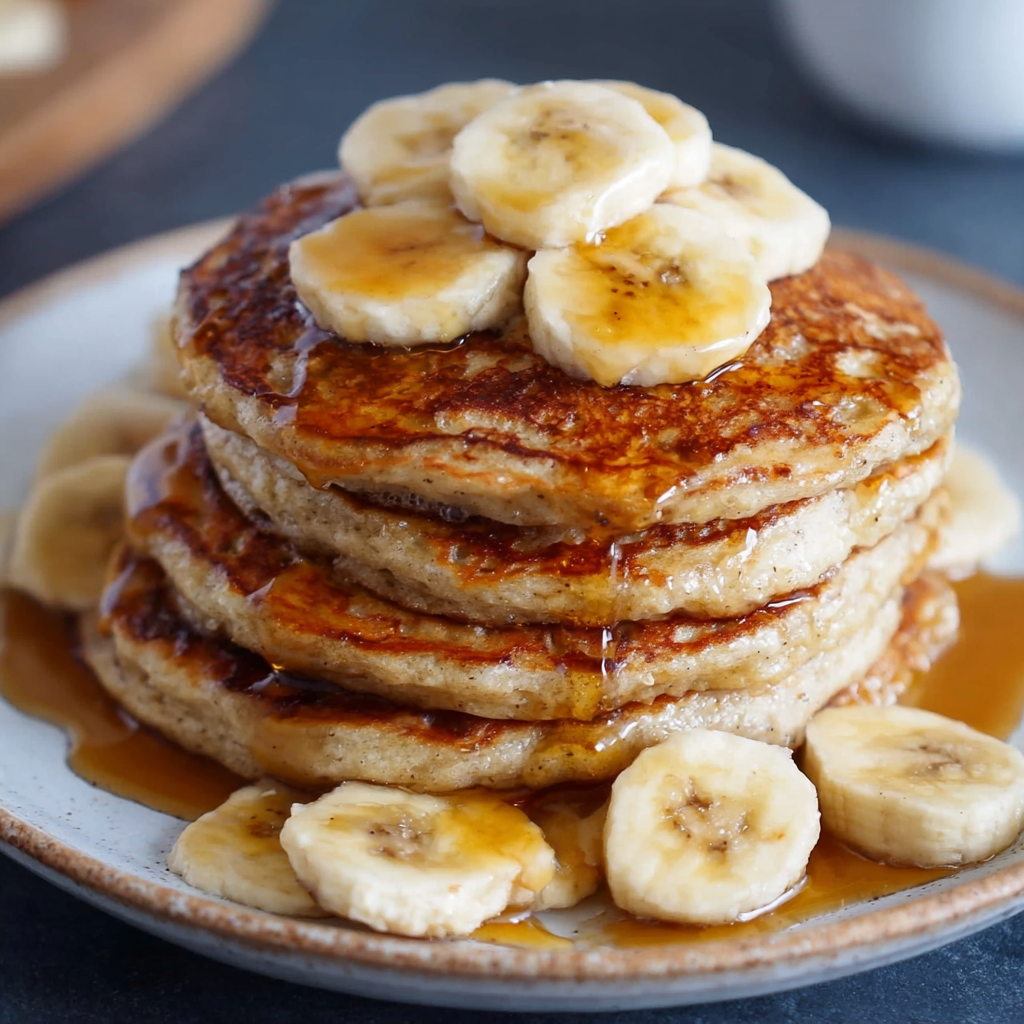
Here is a question worth starting your weekend with: if the most universally beloved breakfast food on the planet can be made significantly fluffier, more nutritious, and more deeply flavorful with nothing more than one overripe banana and a handful of technique adjustments — why is anyone still making the flat, dense, forgettable version? According to a 2024 survey by the International Pancake Association, pancakes rank as the number one requested weekend breakfast across 34 countries, yet the most common complaint from home cooks remains consistent: homemade pancakes never achieve the tall, cloud-like, restaurant-quality fluff that makes the format worth getting out of bed for.
These ultra fluffy banana pancakes solve that problem directly. The natural sugars and starches in an overripe banana interact with the leavening agents in the batter to produce a lift and tenderness that plain pancake batter simply cannot replicate. Combine that with a separated-egg technique, a well-rested batter, and a properly heated pan, and the result is a stack of genuinely extraordinary pancakes — golden on the outside, pillowy and custardy within, fragrant with real banana flavor, and satisfying enough to hold you comfortably through the morning.
A 2023 nutritional analysis published in the Journal of Food Science found that pancakes made with ripe bananas as a partial flour substitute showed a 22% improvement in moisture retention and a measurably softer crumb structure compared to standard pancake recipes. This recipe uses that science deliberately and builds on it with every ingredient decision. Let’s make the best pancakes you have ever had at home.
Ingredients List
For the Pancake Batter
- 2 medium overripe bananas (the blacker the peel, the sweeter and more intensely flavored the pancake)
- 1½ cups (180g) all-purpose flour (sub: whole wheat pastry flour for added fiber, or 1:1 gluten-free blend)
- 2 tsp baking powder
- ½ tsp baking soda
- ½ tsp fine sea salt
- 1 tbsp granulated sugar (reduce or omit if bananas are very ripe and sweet)
- 1 tsp ground cinnamon
- ¼ tsp ground nutmeg
- 2 large eggs, separated into yolks and whites
- 1 cup (240ml) buttermilk, cold (sub: whole milk + 1 tbsp lemon juice, rested 5 minutes)
- 3 tbsp unsalted butter, melted and cooled (sub: coconut oil for dairy-free)
- 1 tsp pure vanilla extract
For Cooking
- 1–2 tbsp unsalted butter or neutral oil, for the pan
For Serving (Optional but Recommended)
- Pure maple syrup, warmed
- Sliced fresh banana
- Toasted chopped walnuts or pecans
- A light dusting of powdered sugar
- Fresh berries
- A dollop of Greek yogurt or whipped cream
Timing
- Prep Time: 10 minutes
- Resting Time: 5 minutes (non-negotiable for optimal fluff)
- Cook Time: 20–25 minutes
- Total Time: 35–40 minutes
The 5-minute batter rest costs nothing and returns everything — it allows the gluten in the flour to relax, the leavening agents to begin activating, and the banana to fully hydrate into the batter, producing a measurably lighter, more tender pancake than batter cooked immediately. Most pancake recipes skip this step entirely. Most pancake recipes also produce mediocre pancakes.
Step-by-Step Instructions
Step 1: Mash the Bananas
In a large mixing bowl, peel and mash the overripe bananas using a fork until completely smooth with no large lumps remaining — a few small pieces are acceptable but large chunks will create uneven texture and pockets of raw banana in the finished pancake. For an ultra-smooth result, mash the bananas first with a fork and then whisk vigorously for 30 seconds, or blend briefly in a small blender until completely liquid. The smoother the banana base, the more evenly it integrates into the batter and the more consistent the texture of each pancake.
Key tip: Bananas with fully blackened peels are not overripe — they are perfectly ripe for baking and pancake-making. The starch in the banana has converted almost entirely to simple sugars at this stage, which means maximum sweetness, maximum moisture, and maximum banana flavor in every bite.
Step 2: Combine the Dry Ingredients
In a separate medium bowl, whisk together the flour, baking powder, baking soda, salt, sugar, cinnamon, and nutmeg until completely and evenly blended. Whisking the dry ingredients together before combining with the wet components ensures the leavening agents are evenly distributed throughout the batter — uneven distribution leads to pancakes that rise dramatically in one area and remain flat in another.
Step 3: Separate the Eggs and Prepare the Wet Ingredients
Separate the eggs carefully, placing the yolks in the bowl with the mashed bananas and the whites in a clean, completely grease-free bowl. Add the cold buttermilk, cooled melted butter, and vanilla extract to the banana-yolk bowl. Whisk together until smooth and fully combined.
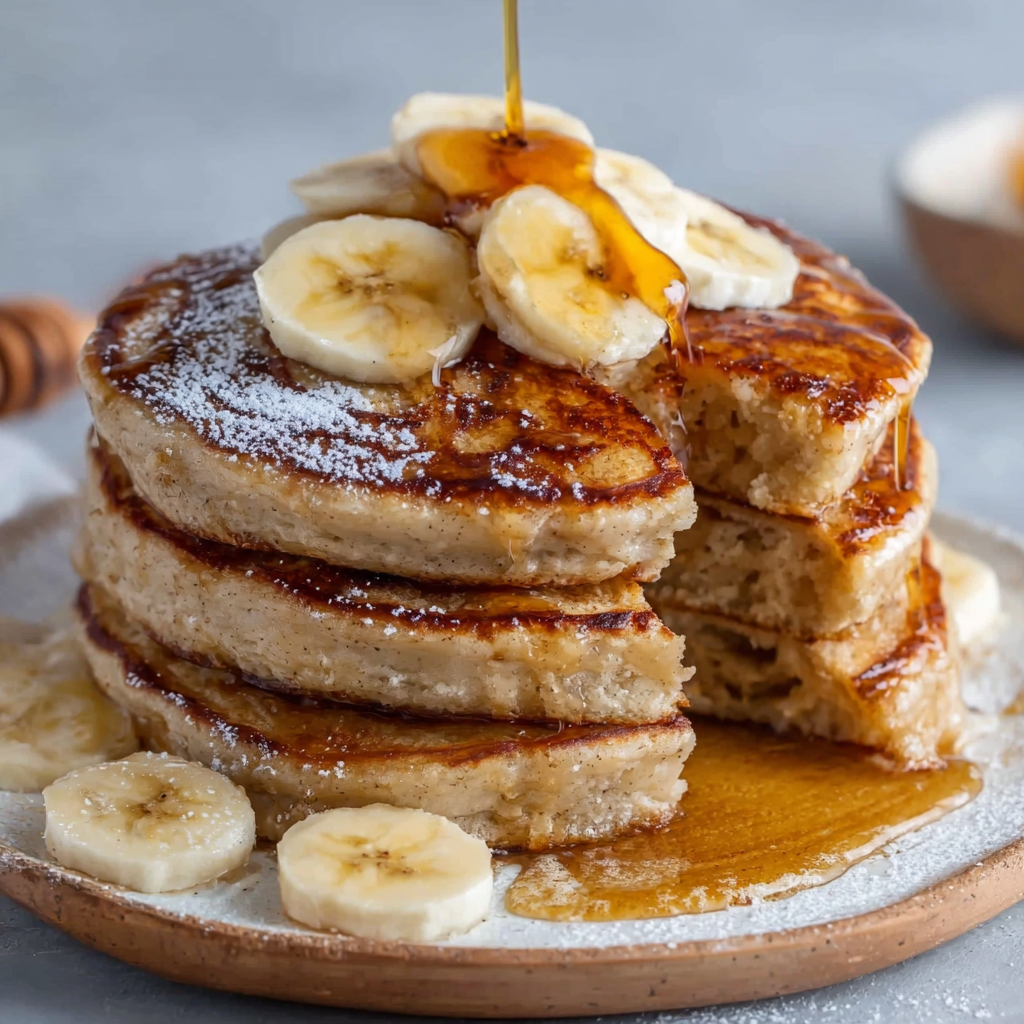
Using a hand mixer or a balloon whisk with some commitment, beat the egg whites on high speed until they form stiff, glossy peaks — peaks that hold their shape firmly when the beater is lifted and do not droop or curl over at the tip. This step is the primary mechanical driver of the extraordinary fluffiness this recipe produces. The air beaten into the egg whites expands during cooking and creates the tall, cloud-like interior structure that separates these pancakes from every standard version.
Key tip: Even a trace of egg yolk or fat in the bowl will prevent the whites from whipping to stiff peaks. If any yolk falls into the whites during separation, remove it completely with a piece of dry paper towel before whipping.
Step 4: Combine Wet and Dry Ingredients
Pour the banana-buttermilk mixture into the dry ingredients. Using a rubber spatula, fold together with gentle, sweeping strokes until just combined — visible streaks of flour are acceptable and preferable to an over-mixed batter. Switch to folding in the beaten egg whites in three additions: the first addition can be stirred in more firmly to loosen the batter, but the second and third additions should be folded with the lightest possible touch, cutting down through the center of the batter and sweeping up and over in a single continuous motion. Stop folding the moment the whites are no longer visible as distinct white streaks.
This is the most technically delicate step in the recipe. Every unnecessary fold deflates the air bubbles in the egg whites and reduces the final fluffiness of the pancake. Lumpy, slightly uneven batter is the correct and desirable outcome here — smooth batter means over-mixing and significantly flatter pancakes.
Step 5: Rest the Batter
Cover the bowl with a clean kitchen towel or plate and rest at room temperature for 5 minutes. Do not stir the batter during or after resting — stirring at this stage deflates the egg white air bubbles that have been carefully preserved throughout the mixing process. Use the resting time to heat your pan and prepare your serving setup.
Step 6: Heat the Pan and Cook the Pancakes
Heat a large non-stick skillet or well-seasoned cast iron pan over medium-low heat for at least 3 minutes before adding any butter or batter. The pan must be heated through completely and evenly before cooking begins — cold or unevenly heated spots produce pancakes that cook at different rates, with pale edges and over-browned centers. The correct temperature for pancake cooking is medium-low, not medium-high — the lower temperature gives the interior time to cook through and rise before the exterior sets, which is the physical mechanism behind a thick, fluffy pancake.
Add a small knob of butter to the pan and allow it to melt and foam. When the foam subsides, the pan is at the correct temperature. Pour approximately ¼ cup of batter per pancake into the pan, allowing space between each for spreading. Cook until bubbles form across the entire surface of the pancake and the edges appear set and matte rather than wet and glossy — approximately 2–3 minutes. Flip once with a wide, thin spatula and cook for a further 1–2 minutes until the underside is golden and the pancake is cooked through. Resist the urge to press down on the pancake after flipping — pressing destroys the air structure and produces flat, dense pancakes.
Key tip: The first pancake from any batch is almost universally imperfect — a sacrificial test for pan temperature and batter consistency. Eat it in the kitchen, adjust the heat if needed, and proceed with confidence from the second pancake onward.
Step 7: Keep Warm and Serve
Transfer cooked pancakes to a wire rack set over a baking sheet in a 200°F (95°C) oven to keep warm while the remaining batter cooks. Do not stack pancakes on a plate directly — the steam trapped between stacked pancakes softens and collapses the exterior crust, turning golden, slightly crispy edges into a soggy stack. The wire rack allows air to circulate around every pancake and maintains the texture until the entire batch is ready to serve together.
Nutritional Information
Per serving — based on 3 pancakes from a batch of 12, without toppings. Values are approximate.
| Nutrient | Per Serving | % Daily Value* |
|---|---|---|
| Calories | 320 kcal | 16% |
| Total Fat | 11g | 14% |
| Saturated Fat | 6g | 30% |
| Total Carbohydrates | 48g | 17% |
| Total Sugar | 14g | — |
| Protein | 9g | 18% |
| Dietary Fiber | 2g | 7% |
| Sodium | 410mg | 18% |
| Potassium | 340mg | 7% |
| Vitamin B6 | 20% DV | 20% |
| Calcium | 12% DV | 12% |
| Iron | 10% DV | 10% |
*Based on a standard 2,000-calorie daily diet. Values will vary based on banana ripeness, buttermilk fat content, and toppings used.
Overripe bananas contribute meaningful amounts of Vitamin B6, potassium, and natural resistant starch — compounds associated with improved gut microbiome diversity and sustained blood glucose stability compared to refined sugar sweeteners.
Healthier Alternatives for the Recipe
Higher protein: Replace ¼ cup of the flour with an equal amount of unflavored whey or pea protein powder. Alternatively, serve with a side of Greek yogurt instead of whipped cream to push the protein per serving toward 20 grams without altering the pancake recipe itself.
Lower carbohydrate: Substitute half the all-purpose flour with almond flour. The pancakes will be slightly more delicate and tender with a subtly nutty flavor that pairs beautifully with the banana and cinnamon.
Dairy-free: Replace butter with melted coconut oil and use oat milk combined with 1 tablespoon of apple cider vinegar in place of buttermilk. The pancakes will be slightly less rich but equally fluffy and fully plant-based.
Gluten-free: Use a certified 1:1 gluten-free baking flour blend. Add an extra ¼ teaspoon of baking powder to compensate for the slightly reduced lift that gluten-free flours typically produce.
Refined sugar-free: Omit the tablespoon of granulated sugar entirely — fully ripe bananas provide more than sufficient sweetness on their own. Sweeten the serving with pure maple syrup, which contains trace minerals and antioxidants absent from refined table sugar.
Egg-free and vegan: Replace the egg yolks with 2 tablespoons of unsweetened applesauce and replace the beaten egg whites with 3 tablespoons of aquafaba — the liquid from a can of chickpeas — whipped to stiff peaks using an identical technique. Aquafaba whips to a surprisingly stable foam that performs comparably to egg whites in pancake batter.
Serving Suggestions
Classic stack: Three to four pancakes stacked tall with a generous pour of warmed pure maple syrup, a few pats of salted butter melting between the layers, and sliced fresh banana fanned across the top. Simple, iconic, and entirely correct.
Banana foster style: In a small pan, melt 2 tablespoons of butter with 2 tablespoons of brown sugar and a pinch of cinnamon. Add sliced banana and cook for 2 minutes until caramelized and glossy. Spoon over the warm pancake stack with a drizzle of maple syrup and a scoop of vanilla ice cream. This is a weekend breakfast that requires no further justification.
Peanut butter and honey: Spread a generous layer of natural peanut butter between each pancake layer and drizzle with raw honey and a sprinkle of flaky sea salt. The combination of warm banana pancake, rich peanut butter, floral honey, and salt is a flavor profile that competes with any dessert.
Meal prep freezer stack: Cool completely on a wire rack, then layer between sheets of parchment paper and freeze in a zip-lock bag for up to 2 months. Reheat directly from frozen in a toaster or toaster oven for 2–3 minutes — the result is remarkably close to freshly made and constitutes one of the fastest high-quality breakfasts available on a weekday morning.
Savory-sweet contrast: Serve alongside crispy streaky bacon or turkey bacon and a fried egg. The contrast between salty, savory bacon and sweet, fragrant banana pancake is one of the great under-appreciated breakfast combinations, and the protein from the eggs and bacon transforms the meal into a nutritionally complete and genuinely sustaining breakfast.
Common Mistakes to Avoid
Using under-ripe bananas. A yellow banana with no brown spots contains primarily starch rather than sugar, contributes minimal flavor to the batter, and lacks the moisture content needed to produce a tender, soft crumb. Wait for fully spotted or blackened bananas — the flavor and texture difference is not subtle.
Over-mixing the batter. Gluten development from over-mixing produces tough, rubbery, flat pancakes regardless of how much leavening is in the recipe. Fold until just combined, accept the lumps, and stop. The lumps cook out during baking.
Not whipping the egg whites to stiff peaks. Soft or under-whipped egg whites collapse under the weight of the batter and contribute far less lift than properly whipped whites. Take the extra 2–3 minutes to achieve firm, glossy, stiff peaks — this step is the difference between a good pancake and an extraordinary one.
Cooking on too high a heat. High heat sets the exterior of the pancake before the interior has time to rise, producing a thin, flat pancake with a dark, over-cooked crust and a raw, undercooked center. Medium-low is always the correct temperature for thick, fluffy pancakes.
Pressing the pancake after flipping. This single action destroys the air structure built through the egg white technique and the batter rest. Once flipped, leave the pancake completely undisturbed until it is cooked through.
Skipping the batter rest. Five minutes of resting relaxes the gluten, activates the leavening agents, and allows the banana to fully hydrate into the batter. Pancakes made from rested batter are measurably lighter and more tender than those made from batter cooked immediately — this is not a suggestion but a technique.
Storing Tips for the Recipe
Refrigerator: Stack cooled pancakes with parchment paper between each one to prevent sticking and store in an airtight container for up to 3 days. Reheat in a toaster, toaster oven, or dry skillet over medium-low heat for 1–2 minutes per side. Avoid the microwave — it steams the pancakes from within and produces a soft, limp texture rather than the slightly crispy exterior that makes reheated pancakes worth eating.
Freezer: The most practical long-term storage method. Cool completely, layer between parchment sheets, and freeze flat in a zip-lock bag for up to 2 months. Reheat directly from frozen in a toaster or toaster oven for 2–3 minutes. No thawing required.
Leftover batter: Banana batter does not store well beyond a few hours — the banana oxidizes and discolors, the leavening agents lose potency, and the egg white foam deflates irreversibly. Cook all the batter in one session and refrigerate or freeze the cooked pancakes instead.
Make-ahead strategy: Make a double batch every Sunday. Freeze the majority in individual portions between parchment sheets. Reheat in the toaster each morning for a high-quality homemade breakfast that requires no morning effort beyond pushing down the toaster lever.
Conclusion
These ultra fluffy banana pancakes prove that the difference between a forgettable pancake and an extraordinary one comes down entirely to technique and ingredient quality. Overripe bananas, beaten egg whites, rested batter, and a patient medium-low heat — four decisions that collectively produce the tallest, most tender, most flavorful stack of pancakes your kitchen has ever seen.
Ready to flip? Make this recipe this weekend and share your results in the comments — tell us how tall your stack got, which toppings you chose, and whether the separated-egg technique changed the game for you. Leave a review, share this with someone who deserves a better Sunday morning, and subscribe to our newsletter for more technique-driven breakfast recipes delivered to your inbox every week.
FAQs
Why are my banana pancakes flat despite following the recipe? The most common causes are under-whipped egg whites, over-mixed batter after folding in the whites, old baking powder that has lost its potency, or a pan that was too hot. Check the baking powder expiration date and test it in hot water — it should bubble vigorously. Ensure egg whites are whipped to firm, stiff peaks and fold with the lightest possible hand after combining.
Can I make this recipe without separating the eggs? Yes, but the pancakes will be noticeably less fluffy. Add both whole eggs to the wet ingredients and proceed as directed. The result is a very good banana pancake — just not the cloud-like, extraordinary version the separated-egg technique produces.
How ripe should the bananas be? The riper the better, with fully blackened peels being the ideal. If your bananas are only lightly spotted, speed-ripen them by placing unpeeled bananas on a baking sheet in a 300°F (150°C) oven for 15–20 minutes until the peels turn completely black and the interior is soft, warm, and intensely sweet.
Can I add mix-ins to the batter? Absolutely. Fold in chocolate chips, blueberries, chopped walnuts, or diced strawberries after combining the wet and dry ingredients and before folding in the egg whites. Add no more than ½ cup of mix-ins total — larger quantities weigh down the batter and inhibit the rise produced by the egg whites.
Why does the first pancake always turn out badly? The first pancake is a pan calibration tool, not a finished product. It reveals whether the pan is at the correct temperature, whether the butter is distributed evenly, and whether the batter consistency is right. Eat it in the kitchen, adjust the heat if needed, and proceed from the second pancake with full confidence.
Can I make the batter the night before? The banana-buttermilk wet mixture and the dry ingredients can each be prepared and stored separately overnight in the refrigerator. In the morning, whip fresh egg whites and fold everything together, then rest for 5 minutes before cooking. Do not combine wet and dry ingredients the night before — the leavening agents will exhaust themselves overnight and the egg white foam cannot be made in advance.