Follow Me On Social Media!
Cardamom Cake with Lemon and Almonds (Soft, Fragrant & Easy)

Introduction
Here is a question that challenges the way most home bakers think about spice cakes: when was the last time a single spice — used boldly and without apology — transformed a simple butter cake into something that stopped people mid-conversation, made them lean in toward the plate, and ask what exactly is in this? Cardamom is that spice. According to a 2024 trend report by the Specialty Food Association, cardamom saw a 52% increase in recipe searches globally — driven by Scandinavian baking culture, Middle Eastern dessert traditions, and a growing home baker appetite for flavors that feel simultaneously exotic and deeply comforting.
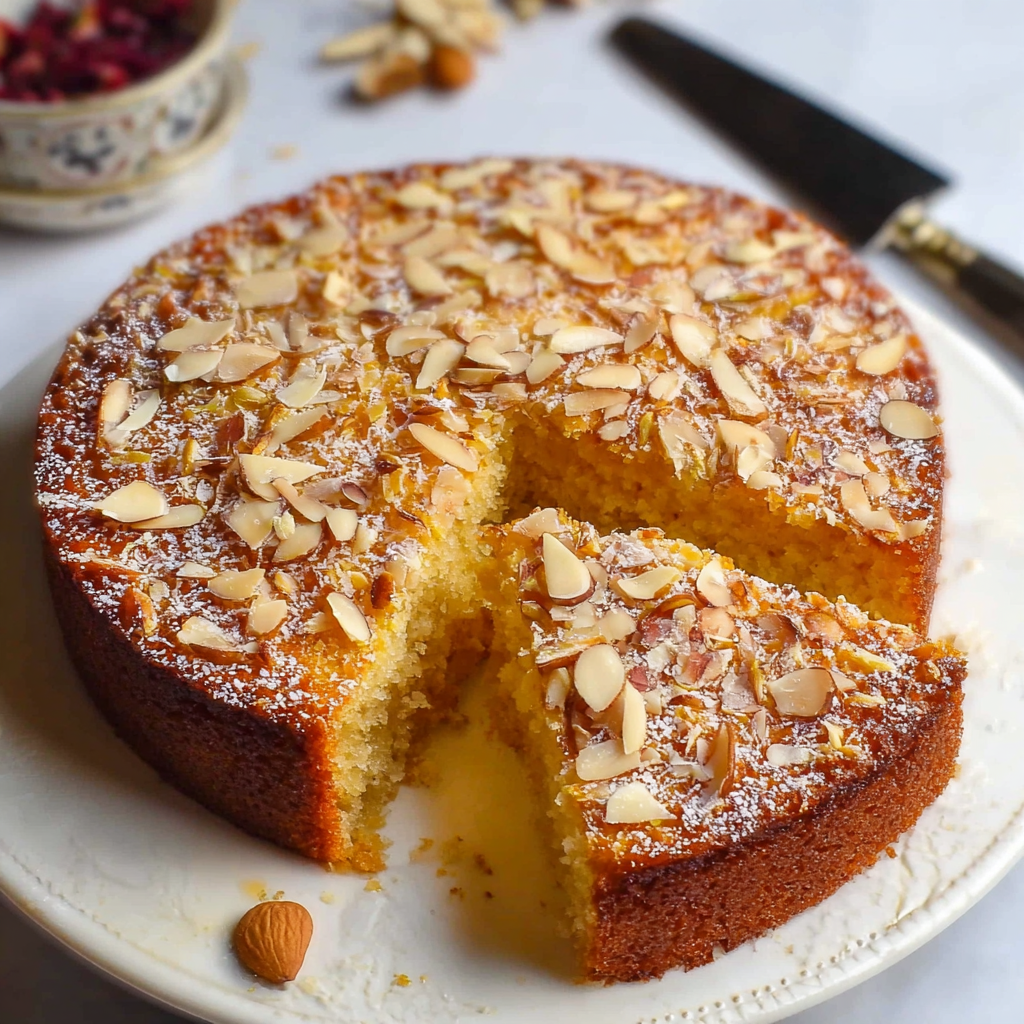
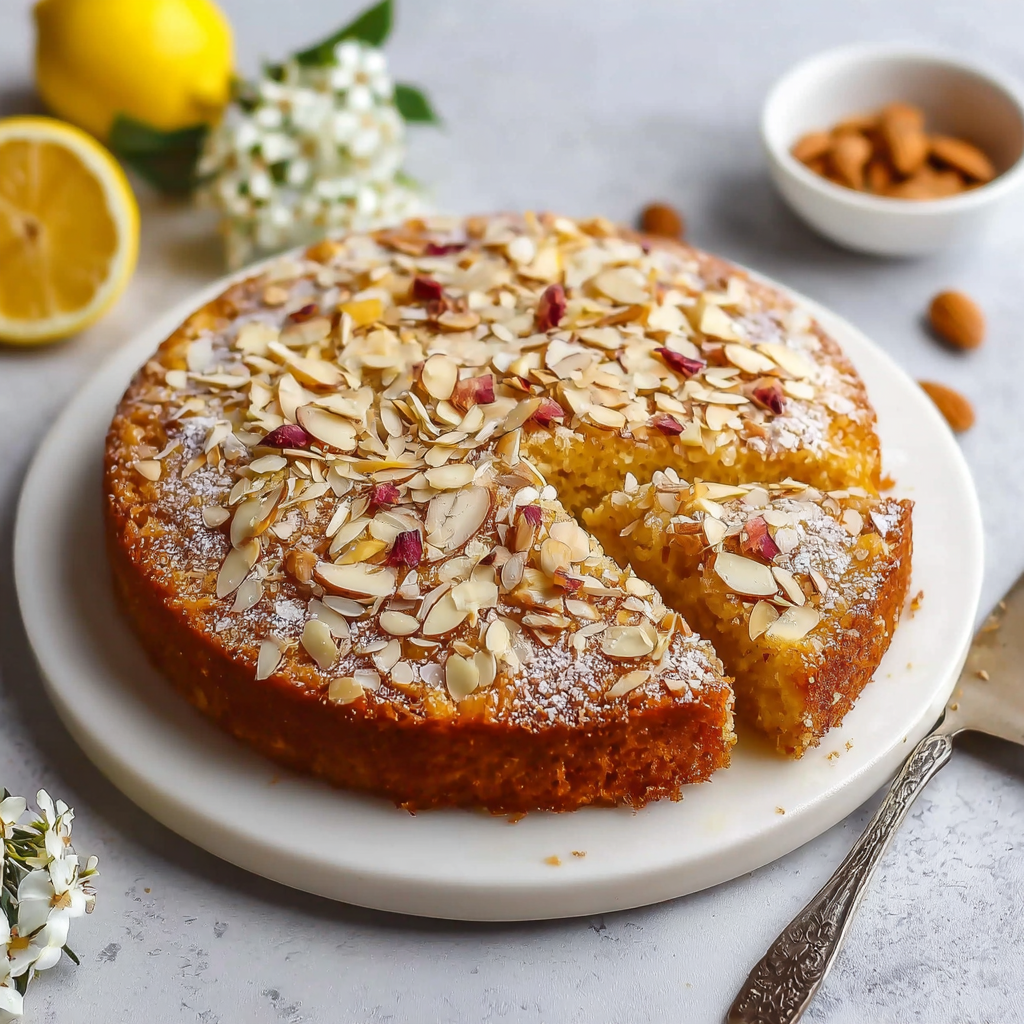
This cardamom cake with lemon and almonds sits at the intersection of those traditions. Fragrant ground cardamom warms the batter from the inside out, fresh lemon juice and zest cut through the richness with bright acidity, and ground almonds replace a portion of the flour to produce a crumb that is tender, moist, and slightly dense in the most luxurious possible way. It is the kind of cake that tastes significantly more complex than its ingredient list suggests — the kind that disappears at a gathering before anything else on the table and generates recipe requests before the plates are cleared.
A 2023 review in the Journal of Ethnopharmacology identified cardamom as one of the most antioxidant-rich spices available, with documented anti-inflammatory properties comparable to those of ginger and cinnamon. This cake makes that botanical richness genuinely, unambiguously delicious.
Ingredients List
For the Cake
- 200g (1 cup) unsalted butter, softened to room temperature
- 200g (1 cup) granulated sugar
- 3 large eggs, room temperature
- 150g (1¼ cups) all-purpose flour
- 100g (1 cup) ground almonds (almond flour)
- 2 tsp baking powder
- ½ tsp fine sea salt
- 2 tsp ground cardamom (freshly ground from pods if possible — the flavor difference is significant)
- ¼ tsp ground cinnamon
- Zest of 2 lemons
- 3 tbsp fresh lemon juice
- 1 tsp pure vanilla extract
- 100ml (⅓ cup + 1 tbsp) whole milk or plain yogurt (yogurt produces a slightly denser, more tender crumb)
For the Lemon Glaze
- 100g (¾ cup) powdered sugar, sifted
- 2–3 tbsp fresh lemon juice
- ½ tsp lemon zest
For Topping
- 30g (¼ cup) flaked almonds, lightly toasted
- Lemon zest curls
- A light dusting of powdered sugar (optional)
Timing
- Prep Time: 15 minutes
- Bake Time: 45–50 minutes
- Cooling Time: 30 minutes
- Total Time: approximately 90 minutes
A straightforward one-bowl cake that requires no special equipment beyond a hand or stand mixer. The batter comes together in under 15 minutes and the oven does the rest.
Step-by-Step Instructions
Step 1: Prepare the Pan and Preheat
Preheat the oven to 350°F (175°C). Grease a 9-inch (23cm) round cake pan or a 9×5-inch (23x13cm) loaf pan generously with butter and line with parchment paper. A loaf pan produces a taller, denser cake with a dramatic domed top — the preferred format for this recipe. A round cake pan produces a wider, shorter cake that is easier to slice and layer if desired.
Step 2: Cream Butter and Sugar
In a large mixing bowl, beat the softened butter and granulated sugar together on medium-high speed for 3–4 full minutes until the mixture is pale, fluffy, and significantly increased in volume. This extended creaming is the foundation of the cake’s light texture — the mechanical action of the mixer forces air into the fat, and those air bubbles expand during baking to produce lift. Undermixed butter and sugar produces a dense, heavy cake regardless of leavening.
Add the lemon zest directly to the butter and sugar during creaming — the sugar crystals act as an abrasive that ruptures the zest’s oil cells and releases maximum lemon flavor into the fat, which then carries it throughout the entire batter.
Step 3: Add Eggs and Flavoring
Add the eggs one at a time, beating well between each addition. If the batter appears to curdle slightly after the eggs are added — a common occurrence — do not panic. Add 1 tablespoon of the measured flour and continue beating; the curdling will resolve. Add the vanilla extract and lemon juice and mix briefly to combine.
Step 4: Fold in the Dry Ingredients
In a separate bowl, whisk together the all-purpose flour, ground almonds, baking powder, salt, cardamom, and cinnamon. Add the dry ingredients to the batter in two additions, alternating with the milk or yogurt — dry, wet, dry — folding gently with a rubber spatula between each addition. Stop folding the moment no dry streaks remain. The batter will be thick, fragrant, and slightly denser than a standard butter cake batter due to the ground almonds.
Key tip: Freshly ground cardamom from whole pods is dramatically more fragrant and complex than pre-ground cardamom from a jar. To grind fresh: remove the seeds from 8–10 green cardamom pods and grind in a spice grinder or with a mortar and pestle until fine. The flavor difference justifies the extra 5 minutes entirely.
Step 5: Bake
Pour the batter into the prepared pan and smooth the top with a spatula. Scatter the flaked almonds evenly across the surface — they will toast during baking and develop a golden, slightly crunchy topping that contrasts the tender crumb beneath. Bake at 350°F (175°C) for 45–50 minutes until a toothpick inserted into the center comes out clean or with a few moist crumbs. The top should be deep golden and the edges pulling slightly from the sides of the pan.
If the top is browning faster than the center is cooking — common with loaf-format cakes — tent loosely with aluminum foil after 30 minutes and continue baking until done.
Step 6: Make the Lemon Glaze and Finish
While the cake cools in the pan for 15 minutes, whisk together the sifted powdered sugar, lemon juice, and zest until smooth and fluid — the glaze should be thick enough to coat the back of a spoon but fluid enough to drip slowly down the sides of the cake. Adjust with additional lemon juice for a thinner glaze or additional powdered sugar for a thicker one.
Remove the cake from the pan and transfer to a wire rack set over a sheet of parchment. Pour the glaze over the warm cake — not hot, not cold — allowing it to run over the surface and drip naturally down the sides. The warmth of the cake helps the glaze absorb slightly into the crust rather than sitting entirely on the surface. Finish with lemon zest curls and a dusting of powdered sugar if desired. Allow the glaze to set for 15 minutes before slicing.
Nutritional Information
Per serving — based on 10 servings with glaze.
| Nutrient | Per Serving | % Daily Value* |
|---|---|---|
| Calories | 385 kcal | 19% |
| Total Fat | 22g | 28% |
| Saturated Fat | 10g | 50% |
| Total Carbohydrates | 44g | 16% |
| Total Sugar | 30g | — |
| Protein | 6g | 12% |
| Dietary Fiber | 2g | 7% |
| Sodium | 175mg | 8% |
| Calcium | 8% DV | 8% |
| Vitamin E | 12% DV | 12% |
| Iron | 8% DV | 8% |
*Based on a standard 2,000-calorie daily diet.
The ground almonds contribute Vitamin E — 12% of the daily recommended value per serving — along with healthy monounsaturated fats and a small but meaningful protein boost that standard flour-only cakes do not provide.
Healthier Alternatives
Lower sugar: Reduce granulated sugar to 150g and add 1 tablespoon of honey to maintain moisture. The glaze can be made with 60g of powdered sugar and extra lemon juice for a thinner, less sweet finish.
Dairy-free: Replace butter with a high-quality vegan butter and use full-fat oat milk or almond milk in place of whole milk. The texture and flavor are nearly identical — almond milk amplifies the almond character of the cake pleasantly.
Gluten-free: Replace the all-purpose flour with a certified gluten-free 1:1 baking blend. The high proportion of ground almonds in this recipe already provides significant structure, making the gluten-free substitution more seamless than in standard flour-heavy cakes.
Higher protein: Increase the ground almonds to 130g and reduce the flour to 100g. This adjustment increases the protein and healthy fat content per serving while producing an even more tender, moist crumb.
Refined sugar-free: Replace granulated sugar with coconut sugar in a 1:1 ratio. The cake will be slightly darker in color and have a subtle caramel undertone that pairs beautifully with the cardamom. Use a maple syrup glaze in place of the powdered sugar glaze.
Serving Suggestions
With afternoon tea: Serve thin slices alongside Earl Grey or a floral green tea — the bergamot in Earl Grey amplifies the cardamom in a way that feels deliberately designed. This is the natural habitat of this cake.
Dessert with crème fraîche: Serve a slightly warm slice with a spoonful of lightly sweetened crème fraîche and a few fresh raspberries. The cool, tangy cream against the warm, fragrant cake is one of the most effortlessly elegant dessert combinations available.
As a celebration cake: Double the recipe, bake in two round cake pans, and sandwich the layers with a cardamom-spiced whipped mascarpone cream and a layer of lemon curd. Top with the glaze and toasted flaked almonds. This format transforms a simple weekday cake into a genuinely impressive celebration centerpiece.
Toasted the next day: Slice and toast lightly in a dry skillet or toaster oven. The edges caramelize, the almond flavor deepens, and the cardamom becomes more pronounced — arguably the best way to eat leftover cardamom cake.
With poached pears: Serve alongside pears poached in white wine, sugar, and a cardamom pod — the flavor echo between the poaching liquid and the cake creates a cohesive, elegant dessert plate that requires minimal additional effort.
Common Mistakes to Avoid
Under-creaming the butter and sugar. Three to four minutes of creaming feels excessive but is what produces the pale, fluffy, aerated base that gives the cake its lift. Butter and sugar that have been creamed for only 1 minute produce a noticeably denser, heavier cake.
Using cold butter or eggs. Cold butter does not cream properly — it remains in chunks rather than incorporating air — and cold eggs cause the batter to curdle. Both must be at genuine room temperature before beginning.
Using stale pre-ground cardamom. Ground cardamom loses its volatile oils — and therefore its fragrance and flavor — relatively quickly after grinding. Old cardamom powder produces a cake that smells faintly spiced rather than intensely fragrant. Use freshly ground from pods or replace your pre-ground cardamom if it has been in the cupboard for more than 6 months.
Over-folding the dry ingredients. Once the flour goes in, gluten development begins. Over-folding produces a tough, slightly rubbery crumb rather than the tender, open texture the ground almonds are specifically included to create. Stop at no dry streaks.
Glazing a hot cake. Glaze applied to a very hot cake melts completely off the surface and pools on the parchment below. Allow the cake to cool for 15 minutes until just warm — this is the window where the glaze absorbs slightly into the crust without sliding off entirely.
Storing Tips
Room temperature: Store in an airtight container or under a cake dome for up to 3 days. The cardamom and lemon flavors deepen noticeably overnight — this cake is genuinely better on day two than day one.
Refrigerator: Refrigerate for up to 6 days. Remove 30 minutes before serving — cold butter-based cakes firm considerably in the refrigerator and need time to return to their tender, moist best at room temperature.
Freezer: Freeze unglazed slices wrapped individually in plastic wrap for up to 2 months. Thaw at room temperature for 1 hour and apply a fresh glaze if desired. The texture after freezing is virtually indistinguishable from fresh.
Make-ahead: Bake the cake up to 2 days ahead and store unglazed. Apply the lemon glaze on the day of serving for the freshest appearance and the most vibrant lemon flavor in the finish.
Conclusion
This cardamom cake with lemon and almonds proves that the most memorable baking is often the most straightforward. One bowl, fifteen minutes of active work, and three complementary flavors — fragrant cardamom, bright lemon, and rich almond — producing a cake that is tender, aromatic, deeply satisfying, and better on the second day than the first.
Bake it this weekend and share your results in the comments — tell us whether you used freshly ground cardamom, which format you chose, and whether it generated the recipe requests it deserves. Leave a review, share with someone who loves fragrant baking, and subscribe to our newsletter for more technique-driven, flavor-forward baking recipes every week.
FAQs
Can I use cardamom pods instead of ground cardamom? Yes — and it produces a superior result. Remove the seeds from 10–12 green cardamom pods and grind finely in a spice grinder or mortar and pestle. Freshly ground cardamom is dramatically more fragrant and complex than pre-ground — the flavor difference in the finished cake is immediately noticeable.
Can I make this as cupcakes? Yes. Divide the batter among 12 lined muffin cups and bake at 350°F (175°C) for 20–24 minutes until a toothpick comes out clean. Top each cupcake with the lemon glaze and a few toasted flaked almonds. The cardamom flavor is particularly pronounced in the smaller format.
Why did my cake sink in the center? Sinking is most commonly caused by underbaking, opening the oven door too early, or too much leavening. Ensure the toothpick comes out clean before removing from the oven, avoid opening the door before the 35-minute mark, and measure baking powder accurately. A slight dome is the correct result — a sunken center indicates the structure collapsed before it had time to set.
Can I replace the ground almonds with more flour? You can — use an additional 80g of all-purpose flour in place of the ground almonds. The cake will be lighter, slightly drier, and less rich than the almond version. The ground almonds contribute both flavor and moisture retention that flour alone cannot replicate.
How strong is the cardamom flavor? At 2 teaspoons, the cardamom is present and prominent — the defining flavor of the cake — without being overwhelming. For a more subtle spice presence, reduce to 1½ teaspoons. For a more assertive, almost perfumed intensity, increase to 2½ teaspoons. Freshly ground cardamom at 2 teaspoons is noticeably more intense than 2 teaspoons of pre-ground from a jar.
What can I use instead of ground almonds? Finely ground pistachios produce a beautiful result with a more complex, slightly savory nuttiness and a subtle green hue that makes the cake visually striking. Ground hazelnuts work equally well with a deeper, earthier flavor. Both substitute in the same quantity and produce a cake that is different but equally compelling.