Follow Me On Social Media!
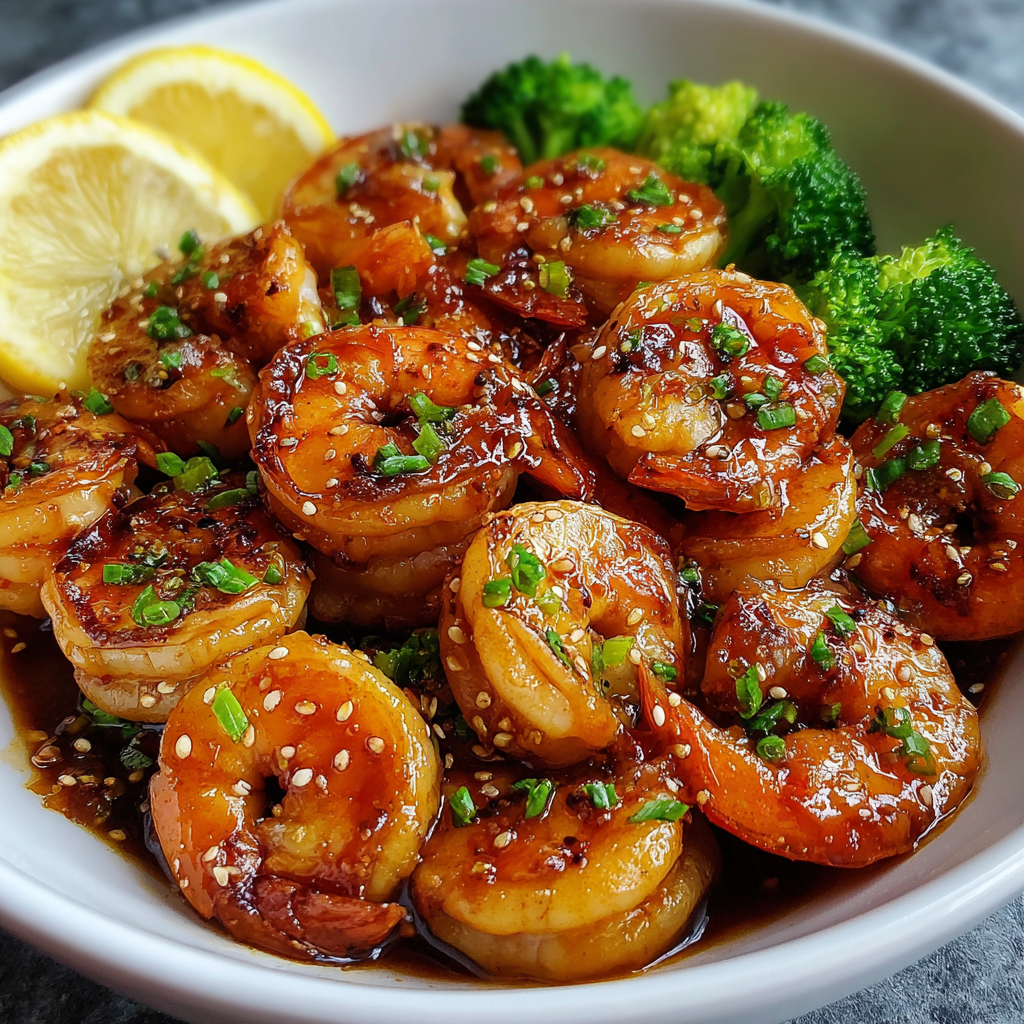
High-Protein Honey Garlic Shrimp

Introduction
Here is a question worth asking on any night the clock is working against you: what if the highest-protein, most flavor-efficient dinner in your weeknight rotation took exactly 15 minutes, used one pan, and produced a sauce so good that everyone at the table asks for the recipe before they have finished the first bite? According to a 2024 consumer nutrition report by the International Food Information Council, shrimp ranks as the most protein-dense seafood per calorie available in mainstream supermarkets — delivering 20 grams of complete protein per 100-gram serving at just 99 calories — yet the majority of home cooks prepare it in fewer than three ways, most of them either under-seasoned or overcooked.
This high-protein honey garlic shrimp recipe fixes both problems simultaneously. A quick marinade of soy sauce, honey, fresh garlic, and ginger builds a flavor profile that is simultaneously sweet, savory, and deeply aromatic. The shrimp sear in under 3 minutes per side in a screaming hot pan, pick up a lightly caramelized exterior from the honey in the marinade, and finish in a glossy, sticky sauce that clings to every curve of every shrimp. The entire process — marinade to plate — takes 15 minutes on a slow day and 12 on a fast one.
A 2023 sports nutrition review in the Journal of the International Society of Sports Nutrition identified shrimp as one of the most bioavailable complete protein sources available, with all nine essential amino acids present in ratios that closely mirror human muscle protein composition — making this one of the most effective post-workout recovery meals in any cuisine at any price point.
Ingredients List
For the Shrimp
- 600g (1.3 lbs) large raw shrimp, peeled and deveined (16/20 count per pound — larger shrimp sear better and stay juicier)
- 1 tsp cornstarch (creates the lightly sticky exterior that holds the sauce)
- ½ tsp fine sea salt
- ¼ tsp white pepper
- 1 tbsp neutral oil (avocado or vegetable)
For the Honey Garlic Sauce
- 3 tbsp raw honey (sub: maple syrup for vegan)
- 3 tbsp soy sauce or tamari (tamari for gluten-free)
- 5 garlic cloves, finely minced
- 1 tbsp fresh ginger, finely grated
- 1 tbsp rice vinegar (adds brightness and cuts the sweetness)
- 1 tsp toasted sesame oil
- ½ tsp chili garlic sauce or sriracha (adjust to heat preference)
- 1 tsp cornstarch mixed with 1 tbsp cold water (slurry for sauce thickening)
For Garnish and Serving
- 2 spring onions, thinly sliced
- 1 tsp toasted sesame seeds
- Steamed jasmine rice, brown rice, or cauliflower rice
- Lime wedges
- Fresh cilantro (optional)
Timing
- Marinating Time: 10 minutes (can be skipped entirely)
- Cook Time: 6–8 minutes
- Total Time: 15–20 minutes
Start the rice before anything else — both will be ready at exactly the same time with no juggling required.
Step-by-Step Instructions
Step 1: Prepare and Season the Shrimp
Pat the shrimp completely dry with paper towels — this is the most impactful preparation step and should not be rushed. Any surface moisture prevents the caramelization that gives this dish its character, producing pale, steamed shrimp rather than golden, lightly charred ones. Toss the dried shrimp with the cornstarch, salt, and white pepper until evenly coated. If time allows, combine the honey garlic sauce ingredients in a small bowl and pour half over the shrimp to marinate for 10 minutes — reserve the other half for finishing. If pressed for time, skip the marinade entirely and use the full sauce quantity at the cooking stage.
Key tip: Large shrimp — 16/20 count — give you a longer window between perfectly cooked and overdone than smaller shrimp. With smaller shrimp, the margin is under 30 seconds. With large shrimp, you have a full minute of flexibility. Size matters here.
Step 2: Mix the Sauce
Whisk together the honey, soy sauce, minced garlic, grated ginger, rice vinegar, sesame oil, and chili sauce in a small bowl until the honey fully dissolves. Prepare the cornstarch slurry in a separate small cup. As with all stir-fry and pan sauce cooking, having the sauce pre-mixed and within arm’s reach before the pan goes on the heat is not a suggestion — it is a functional requirement. Once the shrimp are in a hot pan, the window for measured, accurate sauce addition is approximately 60 seconds.
Step 3: Sear the Shrimp
Heat a large wok or heavy skillet over the highest heat your stove produces for 2 minutes until genuinely hot. Add the oil and allow it to heat until just beginning to smoke. Add the shrimp in a single layer — do not crowd, and cook in two batches if the pan cannot accommodate them spaced apart. Cook completely undisturbed for 60–90 seconds until the underside is pink and lightly golden. Flip each shrimp individually and cook for another 45–60 seconds. The shrimp is done when it turns fully pink and forms a loose C shape. Remove to a clean plate immediately — every second in the pan past this point produces a progressively tougher, less pleasant shrimp.
Key tip: A tight curl — an O shape — means overcooked. A loose C shape means perfect. A straight shrimp means undercooked. These are the three stages and the C is the target every time.
Step 4: Build the Sauce
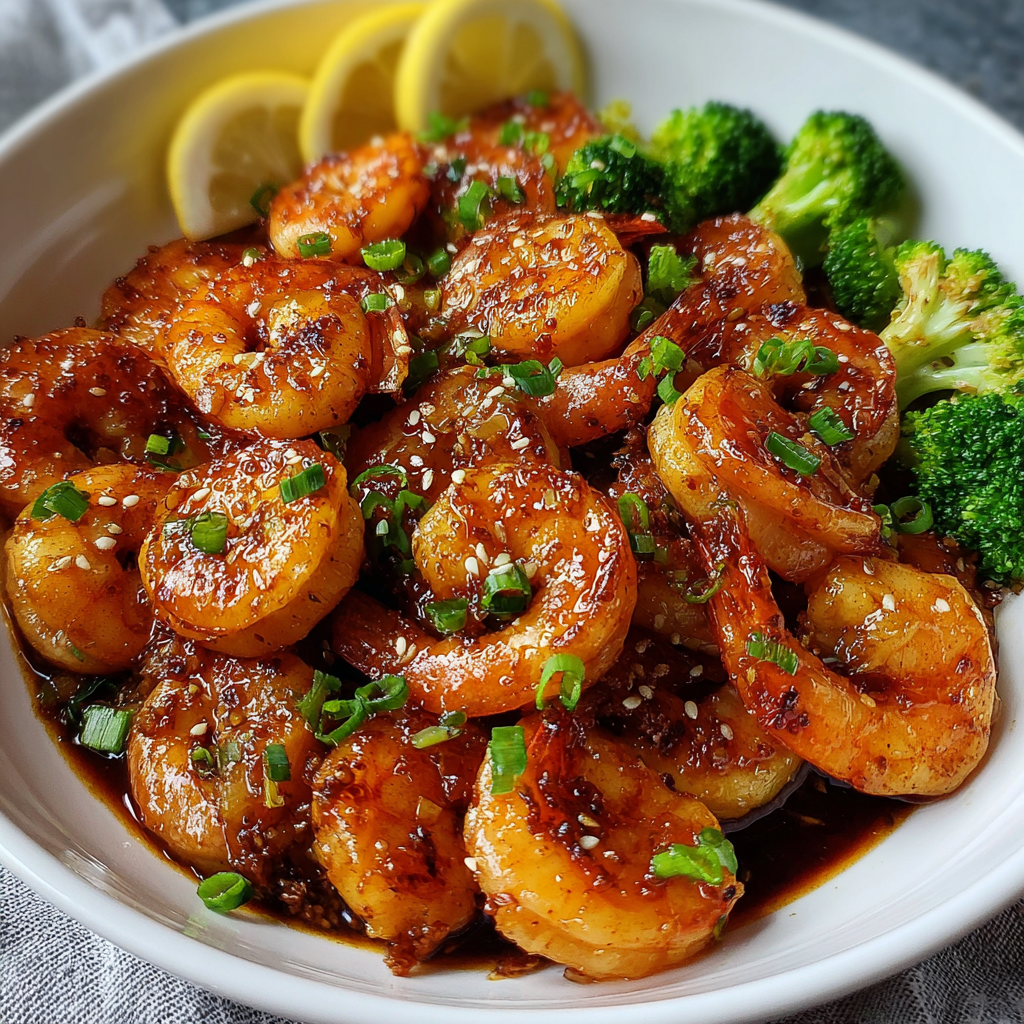
Return the pan to medium heat. Pour in the pre-mixed sauce — it will bubble immediately and intensely. Add the cornstarch slurry and stir continuously for 60–90 seconds until the sauce thickens to a glossy, sticky, deeply colored consistency that coats the back of a spoon. The garlic will caramelize in the honey and the ginger will bloom — the kitchen will smell extraordinary at this point.
Step 5: Combine and Serve
Return the seared shrimp to the pan and toss in the sauce for 30–45 seconds — just enough to coat every shrimp and reheat without further cooking. Taste the sauce and adjust — more honey for sweetness, more soy for salt and depth, more rice vinegar for brightness, more chili for heat. Serve immediately over steamed rice. Scatter toasted sesame seeds, sliced spring onions, and fresh cilantro over the top. Serve with lime wedges — a squeeze of fresh lime over the finished bowl transforms the flavor in a way that is difficult to articulate and impossible to skip once you have experienced it.
Nutritional Information
Per serving — based on 4 servings without rice.
| Nutrient | Per Serving | % Daily Value* |
|---|---|---|
| Calories | 275 kcal | 14% |
| Total Fat | 7g | 9% |
| Saturated Fat | 1g | 5% |
| Total Carbohydrates | 20g | 7% |
| Total Sugar | 14g | — |
| Protein | 32g | 64% |
| Dietary Fiber | 0.5g | 2% |
| Sodium | 780mg | 34% |
| Potassium | 420mg | 9% |
| Selenium | 52% DV | 52% |
| Vitamin B12 | 22% DV | 22% |
| Iron | 15% DV | 15% |
*Based on a standard 2,000-calorie daily diet.
At 32 grams of protein and 275 calories per serving — before rice — this dish delivers one of the most favorable protein-to-calorie ratios of any 15-minute dinner in any category. The selenium content at 52% of the daily recommended value places this among the richest single-meal selenium sources available, supporting thyroid function, antioxidant defense, and immune response.
Healthier Alternatives
Lower sugar: Replace honey with 2 tablespoons of monk fruit sweetener or a combination of 1 tablespoon of honey and 1 tablespoon of unsweetened apple juice. The caramelization behavior is slightly different but the sauce remains glossy and flavorful.
Lower sodium: Use reduced-sodium soy sauce or coconut aminos throughout — coconut aminos contains approximately 65% less sodium than conventional soy sauce with a naturally sweeter profile that complements the honey well.
Higher vegetable content: Add 1 cup of broccolini, snap peas, or thinly sliced bell pepper to the pan immediately after the shrimp is removed in Step 3. Stir-fry for 2 minutes before adding the sauce, then return the shrimp for the final toss.
Gluten-free: Use tamari in place of soy sauce and verify that the chili garlic sauce brand is gluten-free — both substitutions are straightforward and the flavor difference is negligible.
Served on cauliflower rice: Replace jasmine rice with cauliflower rice to reduce the total meal carbohydrates by approximately 40 grams per serving while maintaining the full flavor experience of the dish.
Serving Suggestions
Over jasmine rice: The classic and correct pairing — jasmine rice absorbs the honey garlic sauce and creates a base that makes every spoonful a combination of sweet-savory shrimp and fragrant rice.
In lettuce cups: Spoon the sauced shrimp into large butter lettuce or iceberg cups with shredded cucumber, sliced avocado, and a drizzle of extra chili sauce. A low-carbohydrate format that works exceptionally well as a starter or light lunch.
Shrimp rice bowl: Build a bowl over brown rice with sliced avocado, shredded purple cabbage, edamame, cucumber ribbons, and the shrimp arranged on top. Drizzle with extra sesame oil and a squeeze of lime for a meal prep bowl that holds up beautifully for 3 days.
With noodles: Toss the finished shrimp and sauce with cooked udon or rice noodles directly in the pan for 30 seconds. The noodles absorb the sauce and the entire dish transforms into a shrimp noodle bowl that needs nothing else.
On sourdough toast: Pile the honey garlic shrimp over thick slices of toasted sourdough with a smear of avocado and a scattering of microgreens. One of the more effortlessly elegant brunch preparations available from a 15-minute dinner recipe.
Common Mistakes to Avoid
Not drying the shrimp. The single most important preparation step. Wet shrimp steam rather than sear, produce pale grey flesh rather than golden caramelized exterior, and prevent the sauce from adhering to the surface. Paper towels, a firm press, and 30 seconds of attention produce a dramatically different result.
Overcooking. Shrimp go from perfect to rubbery in under 60 seconds at high heat. The C-shape visual indicator is more reliable than any timer — pull the pan from the heat the moment every shrimp has reached it.
Crowding the pan. Crowded shrimp create steam that prevents caramelization and produces the grey, steamed result that makes people think they don’t like shrimp. A single, well-spaced layer — in two batches if necessary — is the non-negotiable approach.
Not pre-mixing the sauce. Measuring honey and mincing garlic while the shrimp is cooking means the shrimp overcooks by the time the sauce is ready. Mix the sauce before the pan goes on the heat, every time.
Skipping the lime. A squeeze of fresh lime over the finished bowl brightens every flavor component and cuts through the sticky sweetness of the honey garlic sauce in a way that makes the dish taste more complex and more alive. It is not garnish — it is a functional flavor component.
Storing Tips
Refrigerator: Store in an airtight container for up to 3 days. The sauce continues to flavor the shrimp during storage and the dish reheats well. The shrimp will firm slightly but remain flavorful.
Reheating: Reheat in a hot skillet with a splash of water for 2 minutes — the water creates steam that heats the shrimp without drying them and reactivates the sauce. Microwave at 70% power in 60-second intervals as an alternative — acceptable but produces slightly tougher shrimp than stovetop reheating.
Freezer: The cooked shrimp and sauce freeze well for up to 2 months in an airtight container. Thaw overnight in the refrigerator and reheat gently. Raw marinated shrimp can also be frozen for up to 3 months — thaw, drain, and cook as directed.
Meal prep: This is one of the most practical meal prep proteins available — cook a full batch on Sunday, divide over rice or cauliflower rice into four containers, and refrigerate. A complete, 32-gram-protein lunch is available every weekday with zero additional effort.
Conclusion
High-protein honey garlic shrimp proves that the most nutritionally efficient dinners do not require the most time. Thirty-two grams of protein, a glossy honey garlic sauce built in under 5 minutes, perfectly seared shrimp in under 8, and a complete meal on the table in 15 — this is the recipe that earns a permanent place in any weeknight rotation and makes every other 15-minute dinner feel like a missed opportunity.
Make it tonight and share your results in the comments — tell us how much chili you added, what you served it with, and whether the lime made the difference it always does. Leave a review, share with someone who thinks fast dinners can’t be this good, and subscribe to our newsletter for more high-protein, flavor-first recipes every week.
FAQs
What size shrimp works best? Large shrimp — labeled 16/20, meaning 16 to 20 shrimp per pound — are the optimal choice for this recipe. They are large enough to develop a proper sear before the interior overcooks, and substantial enough that a serving of 5–6 shrimp looks generous and satisfying on a plate. Smaller shrimp cook too quickly at high heat to develop caramelization before overcooking.
Can I use frozen shrimp? Yes — frozen shrimp is often fresher than the “fresh” shrimp at the seafood counter, which is typically previously frozen and thawed. Thaw overnight in the refrigerator or under cold running water for 10 minutes. Pat completely dry — previously frozen shrimp release more surface moisture than fresh and require an extra thorough drying step.
Is the marinade necessary? The 10-minute marinade adds depth and ensures the flavor penetrates slightly into the shrimp rather than existing only on the surface. It is beneficial but not essential — the sauce applied during cooking produces a fully flavorful result even without a prior marinade. On a 15-minute schedule, skip it without concern.
Why did my sauce not thicken? The cornstarch slurry requires heat to activate — ensure the sauce is at a visible simmer when the slurry is added and stir continuously for the full 60–90 seconds. If the sauce remains thin after 90 seconds of simmering, add an additional teaspoon of cornstarch mixed with 1 teaspoon of cold water and continue stirring.
Can I make this with chicken instead of shrimp? Yes — slice boneless chicken thighs into 2cm strips and follow the identical method, extending the searing time to 3–4 minutes per side and the final sauce toss to 2 minutes to ensure the chicken is cooked through. The honey garlic sauce is equally well-suited to chicken and the flavor profile of the finished dish is comparable.
Is this recipe suitable for meal prep? It is one of the most reliable meal prep proteins available. Cook a full batch, divide into containers with rice, and refrigerate for up to 3 days. Reheat as directed. The honey garlic sauce actually improves over the first 24 hours as it continues to penetrate the shrimp — many people prefer the day-two version to the freshly cooked original.