Follow Me On Social Media!
Keto Philly Cheesesteak Rolls

Introduction
Here is a question that cuts to the heart of low-carbohydrate cooking: why does one of the most beloved sandwiches in American food culture — the Philly cheesesteak — remain entirely off-limits for anyone following a ketogenic diet, when every single component of what makes it extraordinary is already keto-friendly? The thinly shaved ribeye, the caramelized onions and peppers, the molten provolone — none of these require bread to be delicious. According to a 2024 report by the Specialty Food Association, keto-adapted versions of classic American comfort foods represent the fastest-growing segment of the low-carbohydrate product and recipe category — yet the majority of attempts compromise either the flavor or the format so significantly that the original dish becomes unrecognizable.
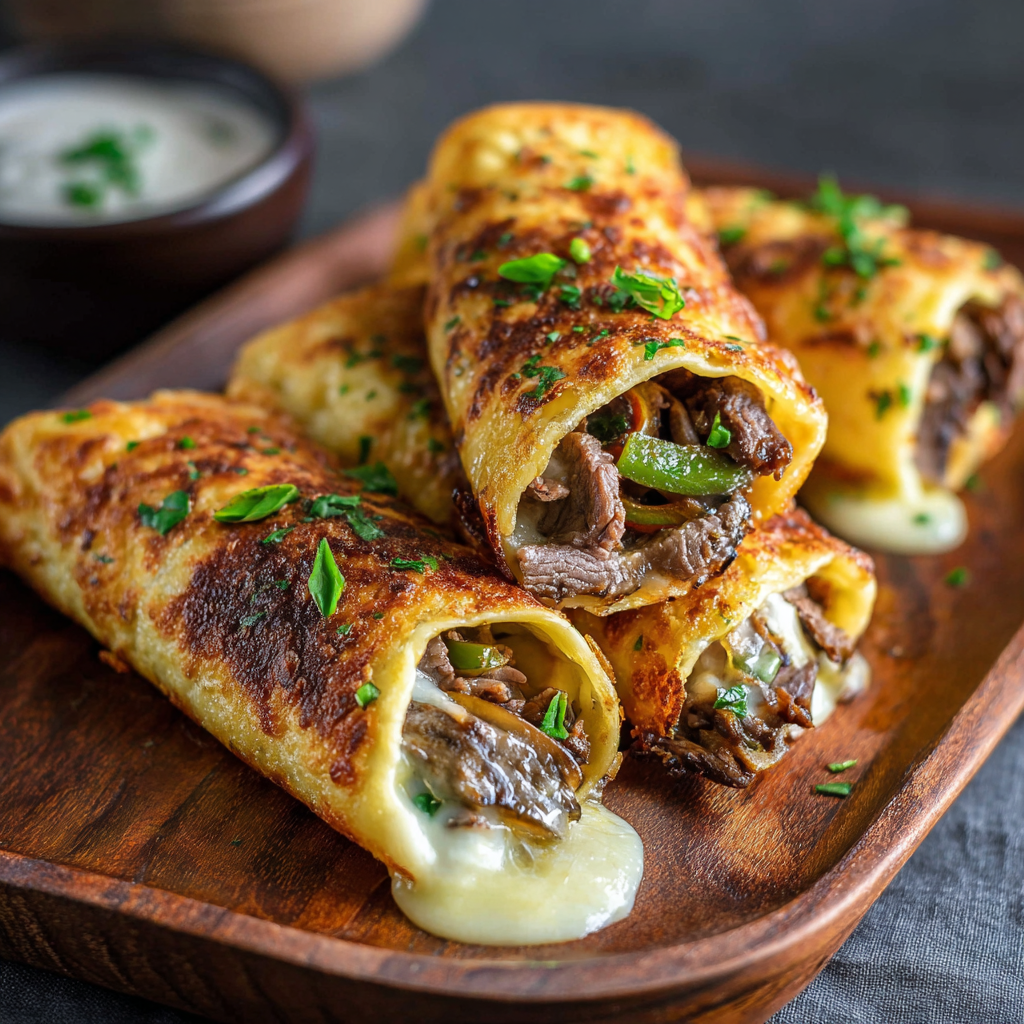
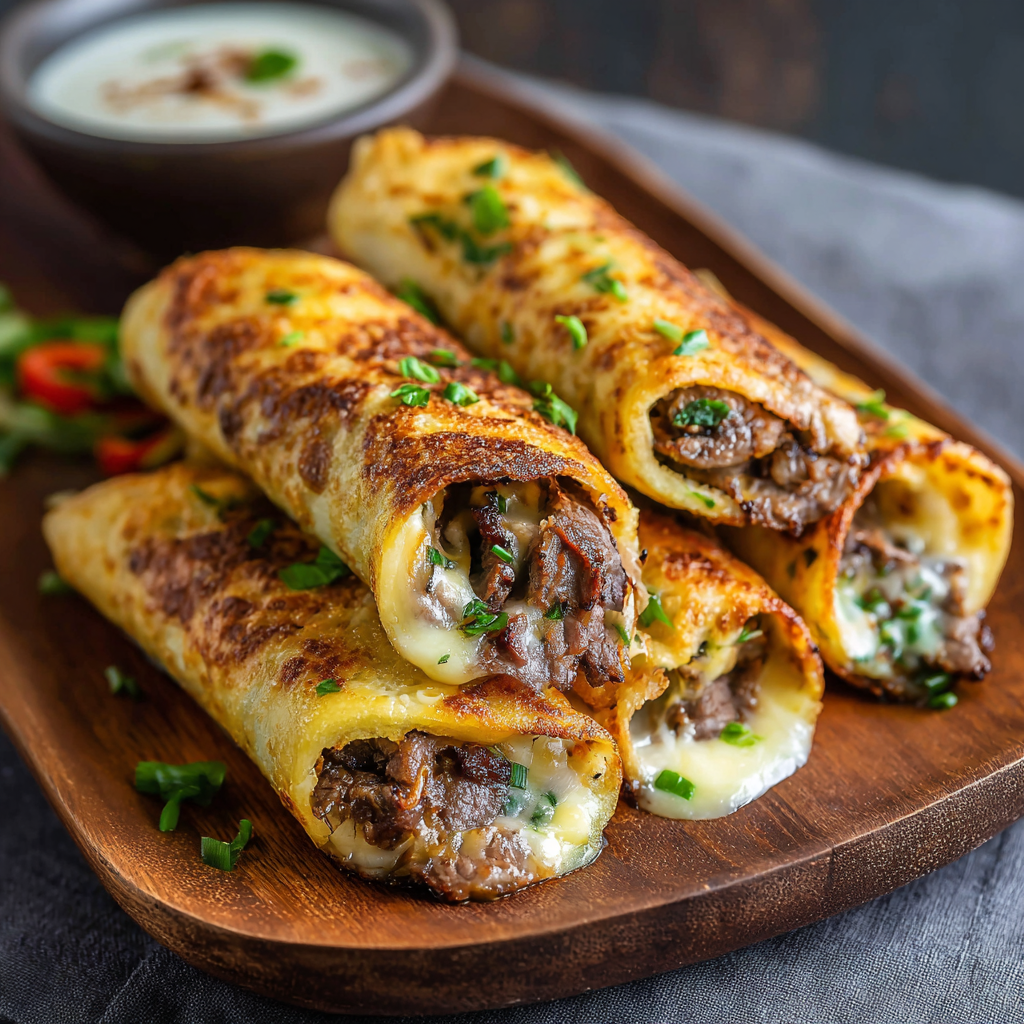
These keto Philly cheesesteak rolls compromise nothing. The filling — thinly sliced ribeye, sweet caramelized onions, sautéed green pepper, and mushrooms finished with provolone and cream cheese — is made exactly as it should be, with the same attention to the fond, the same respect for the caramelization, and the same generosity of cheese that defines a proper cheesesteak. The roll that contains it is made from fathead dough — the same mozzarella-almond flour dough that produces the keto cheesy garlic breadsticks — baked into individual hoagie-style rolls that are golden, slightly chewy, and structurally sound enough to hold a fully loaded filling without collapsing. The result is a dinner that delivers the complete cheesesteak experience at under 5 grams of net carbohydrates per roll.
A 2023 metabolic study in the Journal of Obesity Research found that ketogenic meal formats that successfully replicate comfort food experiences produce significantly higher long-term dietary adherence rates than those requiring permanent sensory deprivation from beloved foods — a finding that makes a keto cheesesteak roll not just a satisfying dinner but a genuinely strategic nutritional choice.
Ingredients List
For the Fathead Rolls
- 2 cups (225g) low-moisture mozzarella, shredded (block mozzarella grated fresh — not fresh water-packed)
- 2 tbsp full-fat cream cheese, cubed
- 1 large egg, lightly beaten
- 1 cup (96g) fine blanched almond flour
- ½ tsp garlic powder
- ½ tsp onion powder
- ½ tsp fine sea salt
- ½ tsp dried Italian herbs (optional — adds flavor depth to the roll itself)
- 1 tbsp sesame seeds, for topping (optional)
For the Philly Cheesesteak Filling
- 450g (1 lb) ribeye steak, very thinly sliced (freeze for 30 minutes before slicing — makes paper-thin cuts effortless)
- 1 large onion, thinly sliced
- 1 green bell pepper, thinly sliced
- 1 cup (90g) cremini mushrooms, thinly sliced (optional — adds umami depth)
- 3 garlic cloves, minced
- 2 tbsp unsalted butter
- 1 tbsp Worcestershire sauce (verify gluten-free if needed)
- 1 tsp smoked paprika
- Salt and black pepper to taste
- 2 tbsp neutral oil, for cooking
For the Cheese Sauce
- 4 slices provolone cheese (the classic cheesesteak choice)
- 2 tbsp full-fat cream cheese
- 2 tbsp heavy cream
- ½ tsp garlic powder
- Salt to taste
Timing
- Fathead Dough Prep: 10 minutes
- Bake Time for Rolls: 15–18 minutes
- Filling Cook Time: 20 minutes
- Total Time: approximately 50 minutes
Make the rolls first, then prepare the filling while they cool. Everything is ready to assemble at the same time.
Step-by-Step Instructions
Step 1: Make the Fathead Roll Dough
Combine the shredded mozzarella and cream cheese in a large microwave-safe bowl. Microwave on high for 60 seconds, stir, then microwave for another 30 seconds until completely melted and smooth. Allow to cool for 60–90 seconds. Add the beaten egg, almond flour, garlic powder, onion powder, salt, and Italian herbs. Work everything together vigorously with your hands or a silicone spatula until a smooth, uniform dough forms with no dry pockets or egg streaks. Wet hands prevent sticking — keep cold water nearby throughout this process.
Key tip: Low-moisture block mozzarella is essential. Fresh mozzarella contains too much water and produces a wet, sticky dough that spreads rather than holds its shape during baking. Do not substitute.
Step 2: Shape and Bake the Rolls
Preheat the oven to 400°F (200°C) and line a baking sheet with parchment paper. Divide the dough into 4 equal portions. Shape each into a hoagie-style oval roll — approximately 15cm (6 inches) long and 5cm (2 inches) wide — by pressing and shaping with wet hands. Place on the prepared baking sheet with space between each. Score the tops with a sharp knife in two or three diagonal lines if desired, and brush with a small amount of egg wash for a golden, glossy crust. Sprinkle sesame seeds over the top if using.
Bake at 400°F (200°C) for 15–18 minutes until deeply golden brown across the top and sides, firm to the touch, and the base sounds hollow when tapped. Allow to cool for at least 10 minutes before slicing — hot fathead rolls are fragile and need time to firm before they can be handled without collapsing.
Step 3: Caramelize the Onions and Peppers
Heat 1 tablespoon of the neutral oil and 1 tablespoon of butter in a large skillet over medium heat. Add the sliced onions with a pinch of salt. Cook, stirring occasionally, for 15–18 minutes until deeply golden, sweet, and reduced to a fraction of their original volume — this is the most important step in the filling and cannot be rushed. Add the green pepper and mushrooms after the first 8 minutes and cook alongside the onions for the remaining time. Add the minced garlic in the final 2 minutes. Remove the vegetable mixture to a plate.
Key tip: Properly caramelized onions are amber-brown, jammy, and sweet — not simply softened and translucent. The 15–18 minutes is not negotiable. Undercooked onions produce a sharp, raw-tasting filling that does not deliver the flavor the dish requires.
Step 4: Cook the Steak
Increase the heat to high and add the remaining oil to the same pan. Add the thinly sliced ribeye in a single layer — do not stir for 60–90 seconds until a light crust forms on the underside. Season with smoked paprika, salt, and pepper. Add the Worcestershire sauce and toss briefly. Return the caramelized vegetables to the pan and fold everything together. Cook for another 60–90 seconds until combined, steaming, and deeply savory.
Key tip: The ribeye must be sliced as thin as possible — ideally 2–3mm. Partially freezing the steak for 30 minutes before slicing makes paper-thin cuts achievable with a standard sharp chef’s knife and is the single most effective preparation step for authentic cheesesteak texture.
Step 5: Make the Cheese Sauce
In a small saucepan over the lowest possible heat, combine the provolone slices, cream cheese, heavy cream, and garlic powder. Stir gently until the cheeses are completely melted and the sauce is smooth, glossy, and fluid enough to drizzle. Season with salt to taste. Alternatively, lay the provolone slices directly over the hot filling in the pan, cover for 60 seconds until melted, and skip the separate sauce entirely — the classic Philly approach.
Step 6: Assemble and Serve
Split each cooled roll lengthwise without cutting all the way through — leave a hinge of dough at the bottom so the roll holds its shape when loaded. Spoon a generous portion of the steak and vegetable filling into each roll, pressing it gently into the cavity. Drizzle or spoon the cheese sauce over the top. Serve immediately with pickled jalapeños, hot sauce, or a small side salad.
Nutritional Information
Per serving — based on 4 rolls with full filling and cheese sauce.
| Nutrient | Per Serving | % Daily Value* |
|---|---|---|
| Calories | 680 kcal | 34% |
| Total Fat | 52g | 67% |
| Saturated Fat | 20g | 100% |
| Total Carbohydrates | 10g | 4% |
| Net Carbohydrates | 4.5g | — |
| Total Sugar | 4g | — |
| Protein | 46g | 92% |
| Dietary Fiber | 5.5g | 20% |
| Sodium | 820mg | 36% |
| Calcium | 35% DV | 35% |
| Iron | 25% DV | 25% |
| Vitamin B12 | 55% DV | 55% |
*Based on a standard 2,000-calorie daily diet.
At 46 grams of protein and 4.5 grams of net carbohydrates per roll, this is one of the most protein-dense, low-carbohydrate main course formats available in the keto recipe category. The iron content — 25% of the daily recommended value — comes primarily from the ribeye and supports oxygen transport, energy production, and immune function.
Healthier Alternatives
Leaner protein: Replace ribeye with thinly sliced sirloin or flank steak — both are significantly leaner with a comparable flavor when well-seasoned and cooked quickly over high heat. Reduce the cooking time by 30 seconds as leaner cuts cook faster.
Lower sodium: Use a low-sodium Worcestershire sauce, reduce the added salt throughout, and use a reduced-sodium provolone. These three changes reduce the sodium per serving by approximately 25–30%.
Dairy-free rolls: Replace the mozzarella and cream cheese in the fathead dough with vegan alternatives — shredded vegan mozzarella and vegan cream cheese. The dough behavior changes slightly but remains workable with an extra tablespoon of almond flour to compensate for the different moisture content.
Higher vegetable content: Double the mushrooms, add 1 cup of thinly sliced zucchini, and include a handful of baby spinach folded into the hot filling at the last moment. These additions increase the fiber, Vitamin C, and overall micronutrient content significantly without altering the net carbohydrate count meaningfully.
Nut-free rolls: Replace almond flour with sunflower seed flour — process raw sunflower seeds in a food processor until fine — in an equal quantity. The rolls will be slightly denser and nuttier in flavor but entirely nut-free and suitable for allergy-sensitive environments.
Serving Suggestions
Classic plate: Serve each roll on a plate with a small side of pickled jalapeños, a handful of arugula dressed with lemon and olive oil, and a drizzle of hot sauce across the top of the cheese. This is the format that most closely replicates the experience of eating at a proper cheesesteak counter.
Open-faced format: Skip the roll entirely and serve the filling piled on a halved, loaded fathead roll placed open-face on a plate with the cheese sauce poured over the entire surface. This format is messier, more dramatic, and maximizes the cheese-to-filling ratio.
Cheesesteak bowl: Omit the roll and serve the filling over a base of cauliflower rice with the cheese sauce drizzled over the top. This format reduces the net carbohydrates to under 8 grams for the entire meal and works exceptionally well for meal prep.
Game day platter: Make the rolls slightly smaller — divide the dough into 8 mini rolls — and serve as slider-sized cheesesteak bites on a platter with multiple dipping sauces alongside. The mini format is ideal for groups and requires no individual plating.
Lettuce wrap version: Serve the filling wrapped in large iceberg or butter lettuce leaves with a spoonful of cheese sauce and pickled jalapeños. This format requires no roll preparation at all and can be on the table in 25 minutes from a cold start.
Common Mistakes to Avoid
Using fresh mozzarella in the dough. Fresh mozzarella produces a wet, unworkable dough that spreads in the oven. Low-moisture block mozzarella only — this point cannot be overstated.
Not freezing the steak before slicing. Room-temperature ribeye is difficult to slice thin enough for authentic cheesesteak texture without a deli slicer. Thirty minutes in the freezer produces meat firm enough to slice at 2–3mm with a standard knife — the difference in the eating experience is substantial.
Rushing the onion caramelization. Golden-brown, jammy onions require 15–18 minutes of patient medium-heat cooking. Onions softened in 5 minutes at high heat are not caramelized — they are cooked but lack the sweetness and depth that proper caramelization produces. The filling built on properly caramelized onions tastes like a cheesesteak. The filling built on under-cooked onions does not.
Slicing the rolls while hot. Hot fathead rolls are structurally fragile and will compress and collapse rather than split cleanly. The 10-minute cooling window is non-negotiable for a roll that holds its filling rather than becoming a flat, cheese-filled disk.
Adding the Worcestershire sauce too early. Added to a cold or warm pan, Worcestershire does not caramelize — it steams and produces a slightly acidic note rather than the savory, caramelized depth it contributes when added to a screaming hot pan just before the filling is complete.
Storing Tips
Rolls: Store unfilled baked rolls in an airtight container at room temperature for up to 2 days or refrigerated for up to 5 days. Re-crisp in a 375°F (190°C) oven for 5 minutes or in an air fryer at 350°F (175°C) for 3 minutes before filling.
Filling: Refrigerate in an airtight container for up to 4 days. Reheat in a hot skillet with a splash of water or beef stock for 2–3 minutes until heated through and the moisture is restored. The microwave works at 70% power in 90-second intervals but produces slightly tougher steak.
Assembled rolls: Best eaten immediately after assembly — the moisture from the filling begins to soften the fathead roll within 20 minutes. Store components separately and assemble to order for the best textural experience.
Freezer: Baked, unfilled rolls freeze excellently for up to 2 months. The cooked filling also freezes well for up to 2 months — without the cheese sauce, which should be made fresh. Thaw both overnight in the refrigerator and reheat as directed before assembling.
Conclusion
Keto Philly cheesesteak rolls prove that the most satisfying low-carbohydrate cooking does not ask you to give up the food you love — it asks you to understand which parts of that food are irreplaceable and which parts are merely conventional. The ribeye is irreplaceable. The caramelized onions are irreplaceable. The molten provolone is irreplaceable. The bread, it turns out, was never the point.
Make these and share your results in the comments — tell us whether you used ribeye or sirloin, how you handled the cheese, and whether they passed the cheesesteak test with the non-keto people at your table. Leave a review, share with someone following a ketogenic diet who misses sandwiches, and subscribe to our newsletter for more low-carbohydrate, comfort-food-first recipes every week.
FAQs
What cut of beef works best for keto Philly cheesesteak? Ribeye is the authentic and optimal choice — its high fat content keeps the thinly sliced meat juicy during the quick, high-heat cooking and produces the characteristic richness of a proper cheesesteak. Sirloin and flank steak are leaner alternatives that work well with proper technique. Avoid round steak or chuck — both are too tough for the quick cooking this recipe requires.
Can I use pre-sliced beef to save time? Yes — many supermarkets and butchers sell pre-sliced beef marketed specifically for cheesesteak preparation. Verify the thickness is 2–3mm and that it is sliced across the grain for the most tender result. Asian grocery stores often carry very thinly sliced beef in their frozen sections — these are an excellent and affordable option.
Why is my fathead dough not coming together? The two most common causes are mozzarella that cooled too much before the egg was added — making the cheese too stiff to incorporate the other ingredients — and egg added while the cheese was still too hot — partially scrambling it and preventing smooth incorporation. The target temperature for adding the egg is warm but not hot — approximately 60 seconds after removing from the microwave. Re-warming the dough in the microwave for 10–15 seconds and continuing to work it resolves most incorporation issues.
Can I make these rolls without a microwave? Yes — melt the mozzarella and cream cheese in a heatproof bowl set over barely simmering water, stirring continuously until completely smooth. The double boiler method produces identical dough and takes approximately 5 minutes. Allow to cool briefly before adding the egg.
What cheese is most authentic for a Philly cheesesteak? The three traditional options are provolone, American cheese, and Cheez Whiz — in roughly ascending order of authenticity according to Philadelphia convention. For a keto version, provolone is the best choice — it melts cleanly, has a mild, slightly tangy flavor that complements the ribeye, and produces a sauce of genuine quality when combined with cream cheese and heavy cream. American cheese produces an even smoother, more uniform melt for those who prefer it.
Is this recipe suitable for someone who is not following keto? Entirely — the filling is straightforwardly delicious by any measure and the fathead rolls are satisfying and flavorful in their own right. Non-keto eaters who try these consistently report that the roll’s texture is surprisingly close to a conventional bread roll, and the filling is indistinguishable from a conventional cheesesteak. The recipe stands on its own merits regardless of dietary context.